Restaurant Equipment Mistakes That Cost Owners Thousands
Restaurant Equipment Mistakes That Cost Owners Thousands
Buying restaurant equipment is one of the largest upfront costs for any foodservice business. For first-time owners, it’s also one of the easiest areas to make costly mistakes. From overbuying to choosing the wrong equipment types, small missteps can easily add up to thousands of dollars in unnecessary expenses. Here are the most common restaurant…

Restaurant Equipment Mistakes That Cost Owners Thousands

Buying restaurant equipment is one of the largest upfront costs for any foodservice business. For first-time owners, it’s also one of the easiest areas to make costly mistakes. From overbuying to choosing the wrong equipment types, small missteps can easily add up to thousands of dollars in unnecessary expenses.
Here are the most common restaurant equipment mistakes—and how to avoid them.
1. Buying New Equipment Without Exploring Used Options
Many first-time owners assume that new equipment is inherently safer or more reliable. But high-quality used equipment can perform just as well at a fraction of the cost, especially if it’s inspected properly. Used gear is often available through liquidations, restaurant closures, or industry auctions, which can dramatically lower your startup costs compared to buying new. Buying Used Restaurant Equipment at Auction and What You Need to Know.
2. Overbuying Before the Menu Is Finalized
Purchasing kitchen equipment before your menu is finalized is a classic—and costly—mistake. Buying items that don’t align with what you serve leads to unused inventory, wasted space, and unnecessary expenses.
📌 Rule of thumb: Let your menu dictate your equipment needs—not the other way around. Start with essential tools and scale up as your concept grows. Essential Restaurant Equipment Checklist for New Openings.
3. Ignoring Utility, Size & Space Requirements
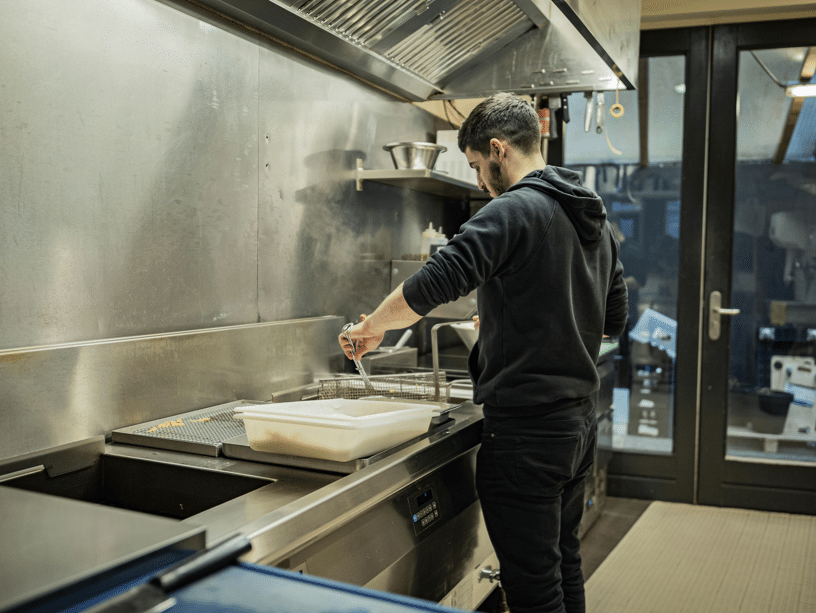
Commercial kitchen equipment isn’t one-size-fits-all. You must account for:
- Electrical load and gas connections
- Doorway and aisle clearances
- Ventilation and hood requirements
Ignoring these basics can result in costly retrofits or failed inspections down the line.
Regulatory & Safety Standards
For ventilation and fire protection of commercial cooking equipment, the **National Fire Protection Association (NFPA)** publishes standards (including NFPA 96) that many local codes adopt in full or in part. These standards cover hood exhaust systems, grease-laden vapor control, and fire prevention measures essential for safe restaurant operation.
4. Skipping Inspection on Used Equipment
Used equipment can be a smart investment—but only if you inspect before you buy. Photos and online listings rarely tell the whole story; rust, electrical damage, or discontinued part support can turn savings into future expenses.
Tips before buying used:
- Examine condition in person if possible
- Confirm age and service history
- Verify certifications (NSF, UL, etc.)
- Check availability of replacement parts
5. Paying Full Retail Instead of Shopping Auctions & Liquidations
Retail pricing on new equipment often reflects markups for storage, showroom costs, and distribution—not real market value. Many restaurateurs significantly reduce startup costs by sourcing through:
- Industry auctions
- Surplus liquidations
- Restaurant closures
These channels often yield quality equipment at well below retail cost. According to the National Restaurant Association, controlling startup and operating expenses is a top challenge for new operators, so strategic sourcing matters.
6. Forgetting About Resale & Long-Term Value

Smart buyers think beyond the initial purchase price. Things to consider:
- Resale value: Certain brands hold value better than others.
- Secondary market demand: Generic or proprietary equipment may be harder to resell.
- Longevity: High-quality used items might outperform poorly manufactured new ones.
Choosing equipment with strong long-term value can pay off if your concept evolves or you expand or exit operations.
Final Takeaway
Most costly equipment mistakes stem from rushing decisions or relying on assumptions. First-time owners who take the time to research, inspect, and explore all sourcing options can protect their budgets and build kitchens that grow with their business.
Preventive education isn’t just helpful—it’s profitable.
Related posts