What to Look for When Buying Used Commercial Ovens
What to Look for When Buying Used Commercial Ovens
For restaurants, bakeries, and foodservice operators, ovens are mission-critical equipment. Whether you’re opening a new location, expanding, or replacing aging units, buying used commercial ovens can deliver major cost savings—if you know what to look for. Before you place your bid, use this restaurant equipment checklist to ensure you’re making a sound investment. 1. Type…
What to Look for When Buying Used Commercial Ovens
For restaurants, bakeries, and foodservice operators, ovens are mission-critical equipment. Whether you’re opening a new location, expanding, or replacing aging units, buying used commercial ovens can deliver major cost savings—if you know what to look for.
Before you place your bid, use this restaurant equipment checklist to ensure you’re making a sound investment.
1. Type of Oven and Use Case
Not all ovens serve the same function. Buying the wrong type leads to inefficiency, higher labor costs, and workflow bottlenecks. Identify exactly what your kitchen needs:
- Convection ovens: Ideal for high-volume roasting and baking.
- Deck ovens: The gold standard for pizza and artisan bread.
- Combination (Combi) ovens: The ultimate multi-tasker for steaming and baking.
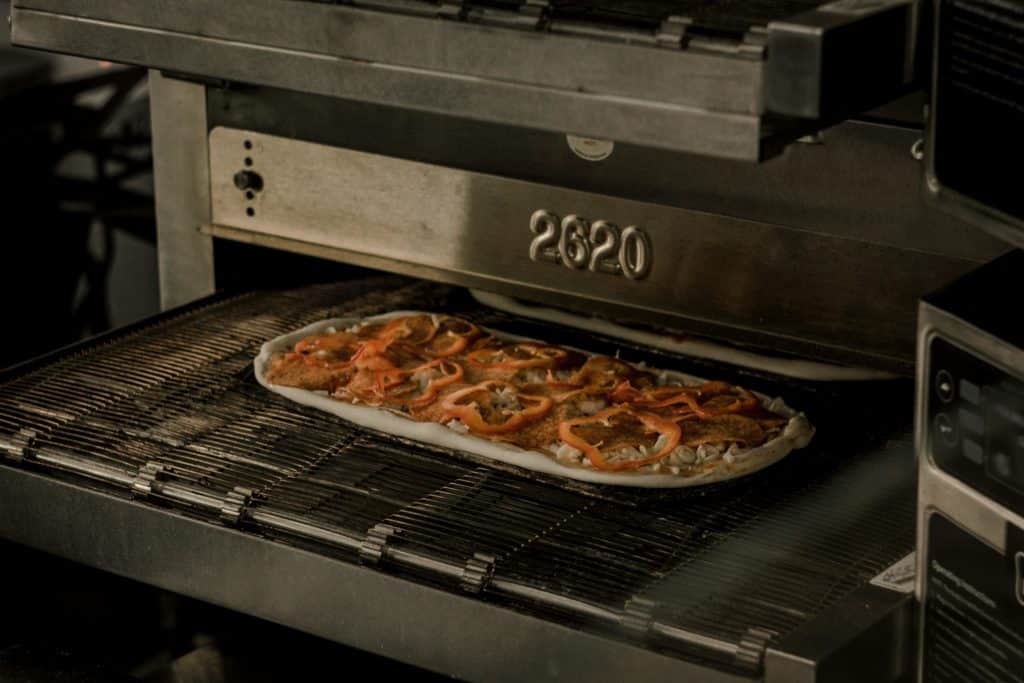
- Conveyor ovens: Essential for fast-casual and QSR (Quick Service Restaurant) consistency.
2. Age, Usage History, and Condition
The “mileage” on an oven matters. A convection oven from a low-volume café will have much more life left than one from a 24-hour high-volume chain. When browsing current cooking equipment auctions, look for:
- Visual Red Flags: Rust, corrosion, or cracked door seals.
- Structural Integrity: Check for warped interior walls or damaged racks.
- Connection Points: Look for frayed electrical cords or compromised gas lines.
3. Energy Type and Efficiency
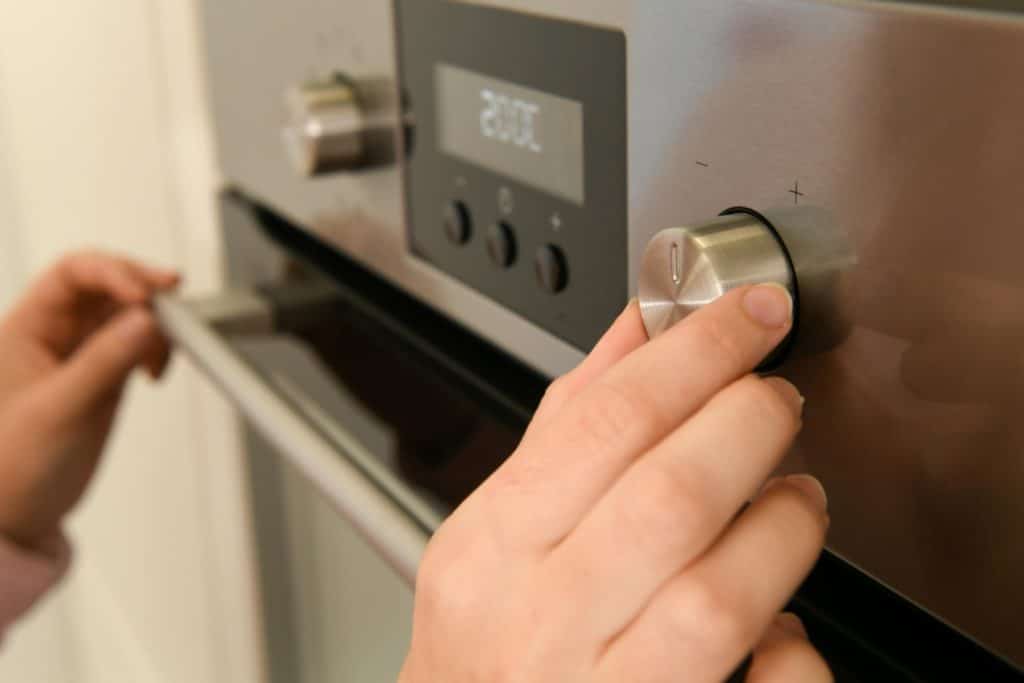
Confirm whether the oven is gas or electric and ensure it matches your kitchen’s existing infrastructure. Switching from gas to electric (or vice versa) can involve expensive utility upgrades that negate your initial savings.
Keep in mind that older models may be less efficient. According to the U.S. Department of Energy, commercial kitchen appliances are among the most energy-intensive assets in a building, so looking for ENERGY STAR® certified used models can save thousands in long-term utility bills.
4. Replacement Parts and Service Availability
An oven is only a “deal” if you can fix it when it breaks. Before purchasing, verify that the manufacturer is still in business and that parts are readily available in your region. Brands like Vulcan, Hobart, and Blodgett typically have robust parts networks, whereas discontinued or “off-brand” import models may become expensive paperweights if a single proprietary chip fails.
5. Certification and Safety Standards
Commercial equipment must meet strict safety and sanitation codes to pass health inspections. Look for the NSF International mark for sanitation and UL (Underwriters Laboratories) tags for electrical and gas safety. These certifications ensure the oven was built to withstand the rigors of a professional kitchen.
6. Source Matters: Where You Buy
Where you buy is just as important as what you buy. Trusted auction platforms provide access to surplus equipment from large restaurant chains and remodels—often at a fraction of the cost of new.
Professional platforms like RestaurantEquipment.bid offer:
- Transparent condition reporting.
- Competitive, market-driven pricing.
- Access to inventory from reputable chains with strict maintenance schedules.
Why Auctions Are a Smart Option
Many ovens found in auctions come from large-scale operators that follow standardized maintenance programs. This means you are often getting a better-maintained machine than you would from a private “as-is” seller on a local classified site.
Final Thought
Buying used commercial ovens is one of the smartest ways to keep your capital available for growth. By focusing on condition, compatibility, and sourcing, you can secure reliable, professional-grade equipment without the “new” price tag.
Related posts