New vs Used Commercial Kitchen Equipment: Cost, Quality & ROI
New vs Used Commercial Kitchen Equipment: Cost, Quality & ROI
When opening, expanding, or upgrading a restaurant, one of the biggest decisions operators face is new vs used commercial kitchen equipment. The choice directly impacts startup costs, long-term maintenance, and return on investment (ROI). Understanding the true differences can help you make a smarter, more profitable decision. Upfront Cost: The Biggest Differentiator New commercial kitchen…
New vs Used Commercial Kitchen Equipment: Cost, Quality & ROI
When opening, expanding, or upgrading a restaurant, one of the biggest decisions operators face is new vs used commercial kitchen equipment. The choice directly impacts startup costs, long-term maintenance, and return on investment (ROI). Understanding the true differences can help you make a smarter, more profitable decision.
Upfront Cost: The Biggest Differentiator
New commercial kitchen equipment offers the latest technology and pristine condition—but at a premium. In many cases, new equipment can cost 40–70% more than comparable used options.
Used commercial kitchen equipment, especially when sourced through restaurant equipment auctions, often delivers immediate savings. Restaurants, chains, and foodservice operators frequently liquidate lightly used equipment due to closures, remodels, or concept changes. Buying used allows operators to stretch budgets further and allocate capital to staffing, marketing, or inventory instead.
Quality & Performance: Not Always About Age
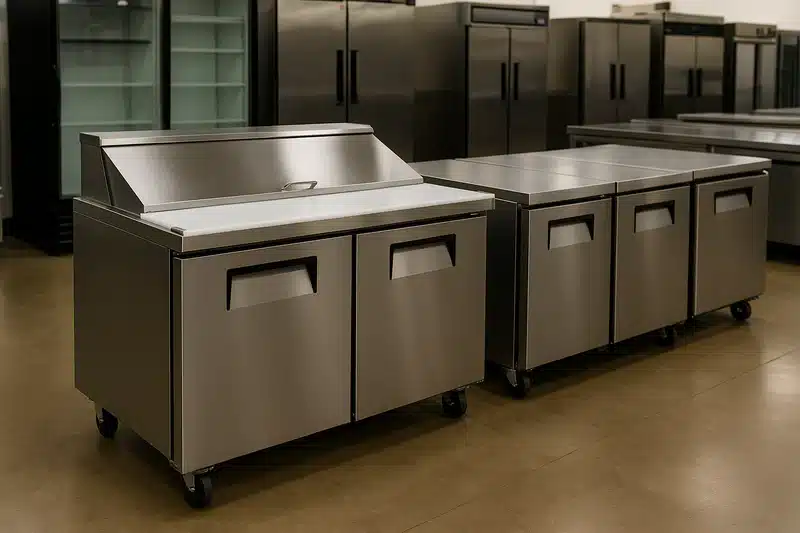
A common misconception is that used equipment equals lower quality. In reality, commercial kitchen equipment is built for durability. High-quality brands can perform reliably for decades with proper maintenance.
New equipment provides peace of mind with manufacturer warranties and the latest features. However, many used units sold at auction are well-maintained or even surplus. To ensure you aren’t sacrificing safety for savings, verify that any used purchase meets NSF International standards for commercial foodservice safety and sanitation.
Additionally, if you are prioritizing sustainability, you can compare the energy consumption of used models against new ones using the ENERGY STAR® Guide for Commercial Kitchens.
Lifespan & Maintenance Considerations
New equipment typically comes with predictable maintenance costs during early years. Used equipment may require more upfront inspection but can still deliver strong longevity—especially when purchased from reputable sources.
Factoring in brand reputation and the availability of replacement parts is critical. Before bidding, check the Commercial Food Equipment Service Association (CFESA) to see if there are local technicians authorized to service that specific brand, ensuring you won’t be left with “orphaned” equipment that can’t be repaired.
ROI: Which Option Delivers More Value?
ROI is where used equipment often shines. Lower upfront investment means a faster break-even point and less financial risk—particularly for new restaurants. According to data from the National Restaurant Association, managing initial capital expenditure is one of the most significant factors in long-term restaurant survival.
While new equipment may make sense for kitchens requiring advanced automation or custom configurations, many operators find that used commercial kitchen equipment provides a higher ROI with significantly less capital tied up in depreciating assets.
New vs. Used Equipment Comparison
| Feature | New Equipment | Used (Auction) Equipment |
|---|---|---|
| Upfront Cost | High (Full retail pricing) | Low (40–70% savings) |
| Condition | Pristine / Out of the box | Varies (Lightly used to surplus) |
| Warranty | Full manufacturer warranty | Generally sold “as-is” |
| Technology | Latest features & automation | Proven, heavy-duty “workhorses” |
| Energy Efficiency | Peak efficiency (current standards) | Varies by age and model |
| Depreciation | Immediate (like a new car) | Minimal (retains resale value) |
| Lead Time | Can be weeks/months (shipping) | Immediate (ready for pickup) |
Making the Right Choice for Your Restaurant

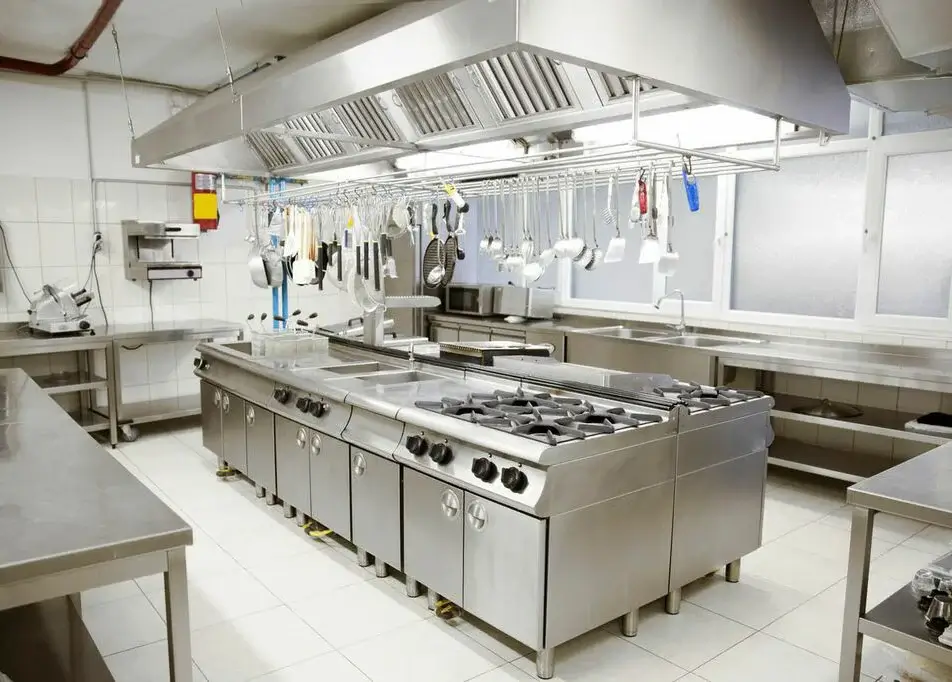
There’s no one-size-fits-all answer. The best decision depends on your budget, timeline, and operational goals. Many successful restaurants use a hybrid approach, buying new for high-wear items (like dishwashers) and used for heavy-duty staples (like ranges and stainless steel tables).
If maximizing value and flexibility is a priority, exploring the auction market is a smart place to start.
Related posts