Buying Guide: How to Choose Commercial Blast Chillers for Restaurants
Buying Guide: How to Choose Commercial Blast Chillers for Restaurants
Choosing the right commercial blast chiller is a critical decision for any modern foodservice operation focused on safety, efficiency, and quality. More than just a powerful refrigerator, a blast chiller rapidly cools hot food through the temperature danger zone (140°F to 40°F), preventing bacterial growth and preserving texture, flavor, and nutritional value. This guide provides…
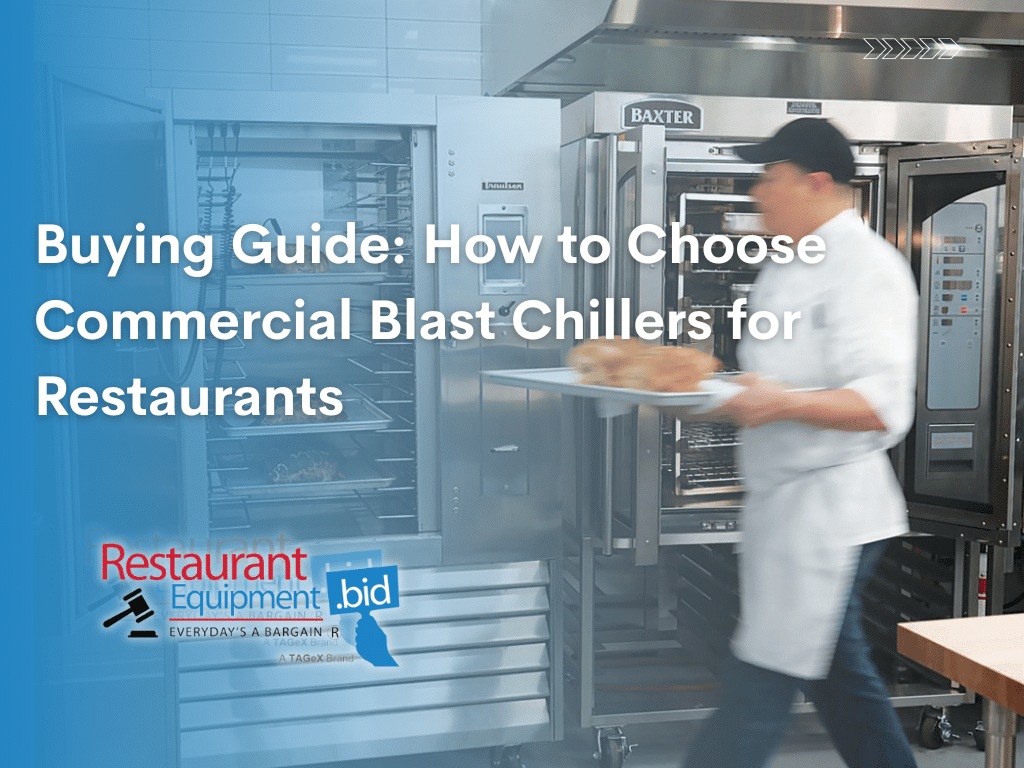
Buying Guide: How to Choose Commercial Blast Chillers for Restaurants
Choosing the right commercial blast chiller is a critical decision for any modern foodservice operation focused on safety, efficiency, and quality. More than just a powerful refrigerator, a blast chiller rapidly cools hot food through the temperature danger zone (140°F to 40°F), preventing bacterial growth and preserving texture, flavor, and nutritional value. This guide provides a comprehensive overview of what to look for when buying commercial blast chillers for restaurants, whether you’re investing in a new unit or looking for value on the secondhand market. Understanding the key specifications can be the difference between a seamless cook-chill workflow and a costly, oversized appliance that doesn’t fit your needs.
What to Look for in Commercial Blast Chillers: Key Specs and Features
When comparing models, it’s easy to get lost in technical jargon. Focus on these core specifications to determine which blast chiller will best serve your kitchen’s volume, menu, and layout.
- Capacity (Chilling/Freezing Load): This is the most important spec. Capacity is measured in pounds (lbs) of food that can be chilled per cycle. Manufacturers also list pan capacity (e.g., five 12″x20″x2.5″ hotel pans or five 18″x26″ sheet pans). A small cafe might only need a unit with a 40-50 lb capacity, while a high-volume catering kitchen may require a roll-in model that can handle 200+ lbs.
- Chilling and Freezing Cycles: Look for units that offer both ‘soft’ and ‘hard’ chilling cycles. A soft chill is a more gentle airflow, ideal for delicate items like custards or vegetables. A hard chill uses maximum power for dense foods like roasts or stocks. Many units also function as blast freezers, capable of dropping food temperatures from 194°F to 0°F in under 4 hours.
- Temperature Performance: The industry standard, mandated by HACCP guidelines, is chilling food from 194°F (90°C) down to 37°F (3°C) within 90 minutes. For freezing, the standard is reaching 0°F (-18°C) in 240 minutes or less. Verify the model you’re considering meets these benchmarks.
- Dimensions and Footprint: Measure your available space carefully. Undercounter models save space but offer limited capacity. Reach-in models require dedicated floor space, similar to a standard commercial refrigerator. Roll-in units need significant square footage and ceiling clearance. Always account for required clearance around the unit for proper ventilation—typically 3-6 inches on all sides.
- Electrical Requirements: This is a non-negotiable detail. Smaller units may run on a standard 120V/15A circuit, but most commercial-grade blast chillers require 208-240V power, often in a three-phase configuration. Mismatching the unit’s electrical needs with your kitchen’s setup is an expensive mistake to fix. Always check the spec sheet and consult an electrician.
- Refrigerant Type: Modern blast chillers use environmentally-friendly refrigerants like R290 (propane) or R448A. When buying used, be cautious of older units that may use phased-out refrigerants like R22, which is expensive and difficult to service.
- Certifications: Ensure any unit you buy is NSF certified for sanitation and either UL or ETL certified for electrical safety. These certifications are typically required by local health departments.
Types of Commercial Blast Chillers: Which One Is Right for Your Restaurant?
Blast chillers come in three primary form factors, each suited to different operational scales and kitchen layouts.
Undercounter Blast Chillers
These compact units are designed to fit under a standard 36-inch countertop. They are perfect for small kitchens, cafes, bakeries, or as a dedicated unit for a specific station (like pastry) in a larger kitchen. Their capacity is typically limited to 3-5 hotel pans (around 35-60 lbs). While space-efficient, they can’t handle the volume for a full-service restaurant’s cook-chill program.
Reach-In Blast Chillers
The most common type found in restaurants, reach-in models resemble a standard single or double-door commercial refrigerator. They offer a great balance of capacity and footprint, with models ranging from 5-pan to 20-pan capacity (70 lbs to over 200 lbs). They are versatile enough for batch cooking soups, sauces, and proteins in most medium to high-volume restaurants.
Roll-In / Roll-Thru Blast Chillers
These are the heavy-duty workhorses for institutional foodservice, large hotels, banquet facilities, and central commissaries. Designed to accommodate an entire rolling rack of hot food pans directly from a combi oven, they offer maximum efficiency and capacity. A roll-in unit has one door, while a roll-thru has doors on both sides to create a pass-through workflow from the cooking area to the cold storage area. These units are large, expensive, and require significant infrastructure planning.
New vs. Used Commercial Blast Chillers: Making the Right Call
A brand new blast chiller is a significant capital investment. For many operators, buying a quality used unit is a financially savvy move. You can often acquire high-end restaurant equipment for 40-70% less than the cost of new. However, due diligence is key.
When inspecting a used blast chiller, check for:
- Door Gaskets: Ensure they are intact, pliable, and create a tight seal. A leaky gasket forces the compressor to overwork.
- Condenser Coils: Look for clean, undamaged coils. Dirty coils hinder cooling efficiency and strain the system.
- Interior Condition: Check for excessive rust, dents, or damage to the pan slides.
- Food Probe: Ask if the core temperature probe is included and functional. It’s a critical component.
- Refrigerant Lines: Look for signs of oil leaks or frost buildup, which can indicate a refrigerant leak.
Stick to reputable brands known for longevity, such as Irinox, Traulsen, and American Panel. Their components are built to last, making them excellent candidates for the secondary market. Avoid off-brands with no service support or units that look visibly neglected.
How Much Do Commercial Blast Chillers Cost? Pricing Guide for 2026
Prices vary widely by brand, capacity, and condition. Here are some realistic price ranges you can expect in 2026.
- New Undercounter Blast Chillers: $4,000 – $8,500
- New Reach-In Blast Chillers: $9,000 – $25,000+
- New Roll-In Blast Chillers: $30,000 – $70,000+
In the used market, especially through online auctions, the savings are substantial:
- Used Undercounter Blast Chillers: $1,500 – $4,000
- Used Reach-In Blast Chillers: $3,000 – $9,500
- Used Roll-In Blast Chillers: $8,000 – $22,000
Factors that increase the price include higher capacity, advanced programmable controls, premium brand names, and recent manufacturing dates.
Best Brands for Commercial Blast Chillers: What Professionals Rely On
Investing in a well-known brand ensures better performance, reliability, and access to parts and service down the line.
- Irinox: Often considered the pioneer and market leader, Irinox is an Italian brand known for its advanced technology, precision, and wide range of models. They are at the top of the price scale.
- Traulsen: A subsidiary of ITW Food Equipment Group (Hobart), Traulsen units are American-made workhorses known for their rugged construction and reliability.
- American Panel: Specializing in blast chillers and shock freezers, this US manufacturer is respected for building robust, high-performance equipment for demanding environments.
- Williams Refrigeration: A global brand with a strong reputation for quality and innovation, offering a comprehensive range of blast chillers for various applications.
- Delfield: Part of the Welbilt family, Delfield offers a solid lineup of blast chillers that provide excellent performance and value, making them a popular choice in many commercial kitchens.
Where to Buy Commercial Blast Chillers for Your Restaurant
You have several options when purchasing equipment. Traditional equipment dealers offer new models with warranties but at the highest prices. Restaurant supply stores may have some options, but typically a limited selection. For the best value, savvy operators often turn to liquidators and online auctions.
Platforms like RestaurantEquipment.Bid offer a unique opportunity to acquire high-quality, brand-name blast chillers from restaurant closures and liquidations across the country. Because items are sold via absolute auction with bids starting at $1, you can secure equipment for significantly less than its original cost. While you are responsible for inspecting items and arranging shipping, the potential savings make it an incredibly smart strategy for outfitting your kitchen. You can browse current auction listings to see what’s available right now.
Final Checklist Before You Buy
Before you place a bid or make a purchase, run through this final checklist:
- Have I verified the exterior dimensions will fit in my space, including delivery pathways?
- Does my kitchen have the correct voltage, phase, and amperage for this unit?
- Is my ventilation system adequate for the heat this unit will generate?
- Have I accurately calculated my daily production needs in pounds to ensure this unit is sized correctly?
- For a used unit, have I confirmed the refrigerant type is modern and serviceable?
- Have I researched the availability of service technicians and parts for this brand in my area?
- Have I factored in the cost of pickup, freight shipping, and installation?
- Did I read the product manual or spec sheet online to understand all its features and requirements?
- Have I set a firm budget, including any auction buyer’s premiums or taxes?
Armed with this knowledge, you are well-equipped to find the perfect commercial blast chiller for your restaurant’s needs and budget. A smart purchase in this category will pay dividends for years through improved food safety, extended shelf life, and streamlined kitchen operations.
Ready to find your next blast chiller at a fraction of the cost? Take a look at the current auctions on RestaurantEquipment.Bid. Register for a free account to start bidding and equip your kitchen for less.
Related posts