
How to Choose the Best Commercial Charbroilers for Restaurants
How to Choose the Best Commercial Charbroilers for Restaurants
The signature sear marks and smoky flavor from a charbroiler can define a menu, but choosing the right one involves more than just size and price. The wrong unit can lead to inconsistent results, high operating costs, and kitchen bottlenecks. This guide breaks down the critical factors in selecting the best commercial charbroilers for restaurants,…
How to Choose the Best Commercial Charbroilers for Restaurants
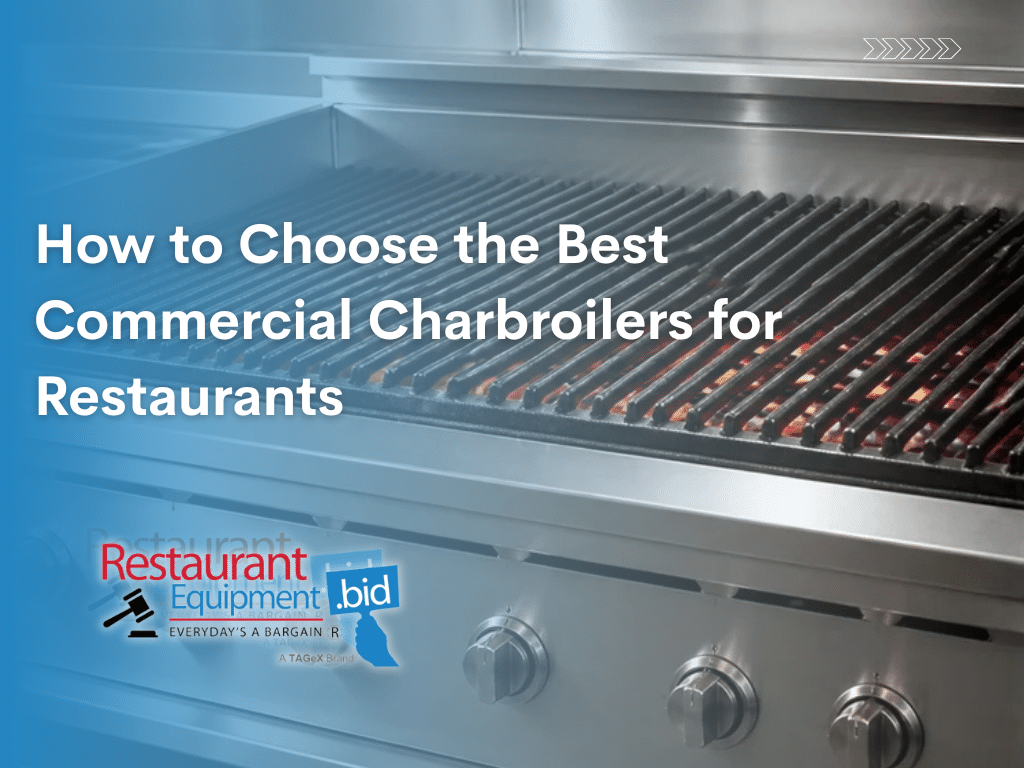
The signature sear marks and smoky flavor from a charbroiler can define a menu, but choosing the right one involves more than just size and price. The wrong unit can lead to inconsistent results, high operating costs, and kitchen bottlenecks. This guide breaks down the critical factors in selecting the best commercial charbroilers for restaurants, moving beyond brand names to focus on the core components that dictate performance: heat source, fuel type, and grate design.
Radiant vs. Lava Rock: Understanding the Heat Source
The primary distinction between charbroilers lies in how they transfer heat and handle drippings. This single choice dramatically impacts flavor profile, maintenance, and the consistency of your finished product.
Radiant Charbroilers
Radiant charbroilers use metal plates, shields, or angles (the radiants) positioned directly above the gas burners. These metal pieces heat up and radiate intense, even heat toward the cooking grates. When juices drip from meat, they hit the hot radiants and vaporize, creating smoke that imparts flavor back into the food.
- Pros: More controlled and even heat distribution, significantly fewer flare-ups, easier to clean than lava rock systems.
- Cons: The flavor is slightly less smoky or ‘authentic’ compared to lava rock, and the metal radiants will eventually need to be replaced.
- Best For: Kitchens prioritizing consistency, reduced flare-ups, and easier daily cleaning. Excellent for chicken, burgers, and vegetables where precise temperature control is key.
Lava Rock Charbroilers
These models use a bed of porous lava rocks placed above the burners. The rocks absorb and radiate heat, creating a powerful cooking surface. When drippings hit the hot rocks, they create immediate, intense smoke and sizzle, which is the source of that classic, heavy char-grilled flavor.
- Pros: Delivers the most authentic, smoky charbroiled flavor. The intense heat creates an excellent sear.
- Cons: Prone to significant flare-ups, which can char food if not managed. The rocks absorb grease, requiring regular flipping, and eventual replacement as they become saturated. Cleaning is more labor-intensive.
- Best For: Steakhouses and establishments where a deep, smoky flavor is a signature element and kitchen staff are experienced in managing flare-ups.
Gas vs. Electric: Fueling Your Operation
While gas is the industry standard for high-power cooking, electric models have their place. Your kitchen’s existing infrastructure and utility costs will be a major factor in this decision.
Gas Charbroilers (Natural Gas or Propane)
This is the most common type of commercial charbroiler. They connect to your restaurant’s natural gas line or a liquid propane tank. Look for a BTU (British Thermal Unit) rating of around 15,000 to 20,000 per burner for robust performance and quick recovery times during busy services.
- Pros: High heat output for excellent searing, rapid temperature adjustments, and generally lower operating costs than electric.
- Cons: Requires a commercial gas connection and must be installed under a Type 1 ventilation hood with a fire suppression system, which is a significant infrastructure requirement.
Electric Charbroilers
Electric units use powerful heating elements to heat the grates and radiants. They offer a simpler installation but come with performance trade-offs.
- Pros: Do not require a gas line, offering more placement flexibility. Can provide very consistent heat without the fluctuations of a gas flame.
- Cons: Slower to preheat and recover temperature compared to gas. May not reach the same intense searing temperatures as high-BTU gas models. Can lead to higher electricity bills.
- Best For: Locations where gas installation is impossible or cost-prohibitive, such as some food courts, kiosks, or historic buildings.
Grate Design and Material: The Contact Surface
The grates are where the magic happens. Their material and design directly influence sear marks, heat retention, and how easily they clean up. Many high-end models offer reversible or interchangeable grates for menu versatility.
Grate Material
- Cast Iron: The gold standard for heat retention. Cast iron grates get incredibly hot and stay hot, delivering deep, defined sear marks. However, they require seasoning to prevent rust and can crack if dropped or subjected to thermal shock.
- Stainless Steel: Less common and don’t retain heat as well as cast iron, but they are highly durable, rust-proof, and easier to clean. They are a good choice for cooking delicate items that might stick.
Grate Style
- Floating Rod Grates: Individual round rods allow for expansion and contraction, preventing warping. They are durable and relatively easy to clean.
- V-Shaped Grates: These grates are angled to channel grease away from the flames and into a collection trough, dramatically reducing flare-ups. They are often reversible, with a thin side for delicate items like fish and a wider side for bold sear marks on steaks.
- Diamond or Fish Grates: Creates a specific pattern ideal for presentation on fish fillets or chicken breasts.
Key Sizing and Construction Features
Beyond the core components, look for features that indicate durability and ease of use in a high-volume environment.
- Sizing: Charbroilers are measured by width, typically ranging from 24″ to 72″. Choose a size based on your peak demand. A 36″ or 48″ model is a versatile starting point for many independent restaurants.
- Controls: Each burner should have its own independent control knob, allowing you to create different temperature zones on the grill surface (e.g., a high-heat searing zone and a lower-heat finishing zone).
- Construction: Look for a fully welded stainless steel body for durability and ease of cleaning. Back and side splashes help contain grease splatter.
- Grease Management: A large, easily removable grease tray or drawer is essential for daily cleaning and fire safety.
Buying New vs. Used Commercial Charbroilers
A brand-new, high-end charbroiler can be a major capital expense. Because of their simple and robust construction (often just gas valves, burners, and heavy steel), charbroilers are one of the safest bets when buying used equipment.
Used charbroilers from reputable brands like Vulcan, Southbend, or Garland can provide years of reliable service for a fraction of the cost of a new unit. When you browse online restaurant equipment auctions, you’ll often find high-quality units sourced from restaurant closures or remodels. These pieces have already proven their durability in a commercial setting. The key is to inspect photos carefully, paying close attention to the condition of the grates, radiants, and burners, which are the main wear-and-tear components.
Find the Right Charbroiler for Your Kitchen
Ultimately, the best choice depends entirely on your menu, volume, and kitchen setup. A steakhouse will benefit from the intense flavor of a lava rock model, while a high-volume fast-casual spot might prefer the consistency and easy cleanup of a radiant unit. By focusing on the heat source, fuel type, and grate design, you can make a smart investment that will become a workhorse in your kitchen for years to come. When you’re ready to see what’s available, explore the wide range of commercial restaurant equipment available in weekly online auctions to find a high-quality unit that fits your budget. You can register for free and start bidding today.
Related posts