The Complete Guide to Buying Commercial Ice Machines for Restaurants
The Complete Guide to Buying Commercial Ice Machines for Restaurants
Choosing the right commercial ice machine is one of the most critical decisions for any foodservice operation. It’s not just about making cold cubes; it’s about food safety, beverage quality, and operational efficiency. This guide covers everything you need to know about selecting the best commercial ice machines for restaurants, from understanding key specs to…
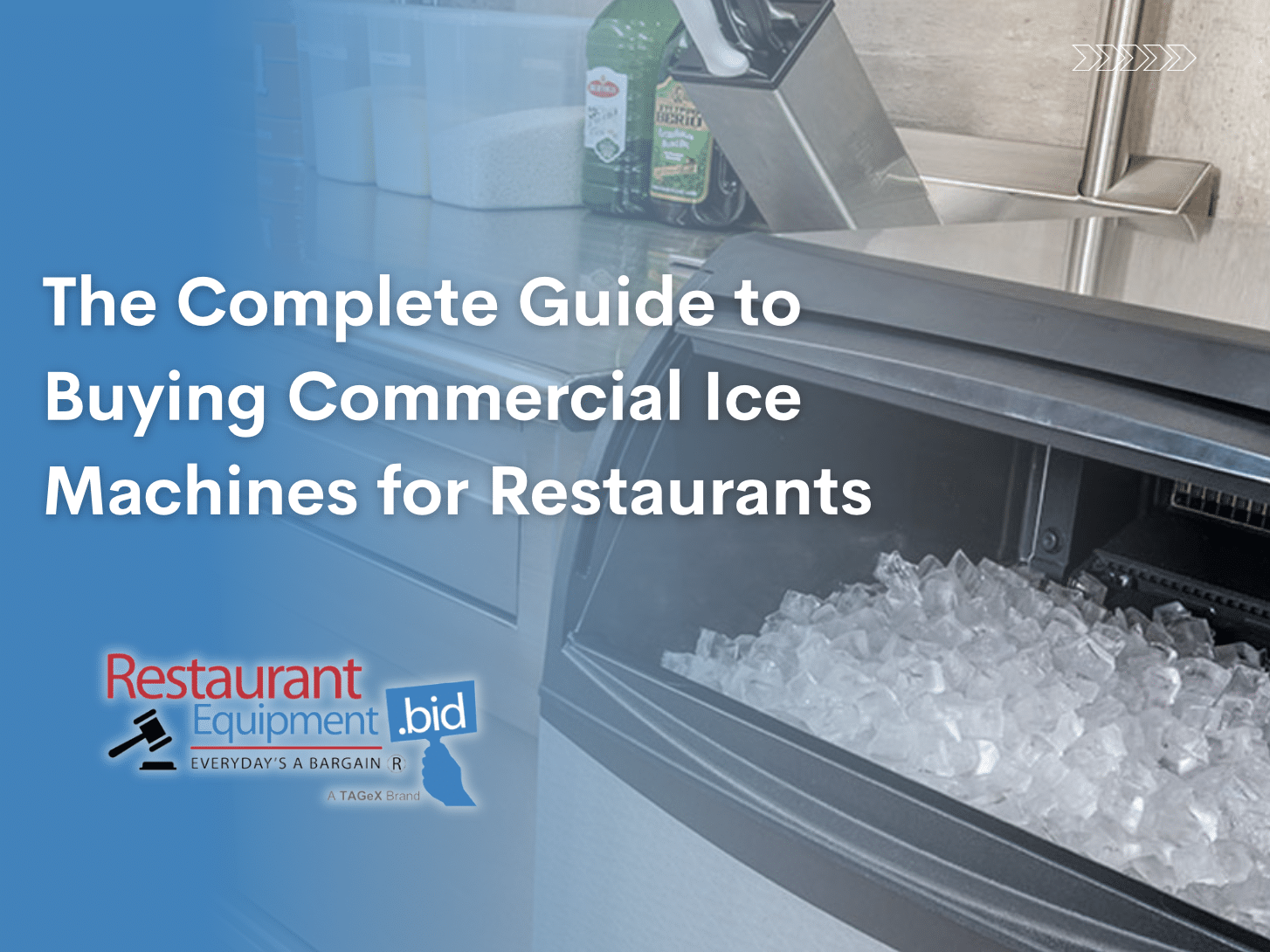
The Complete Guide to Buying Commercial Ice Machines for Restaurants
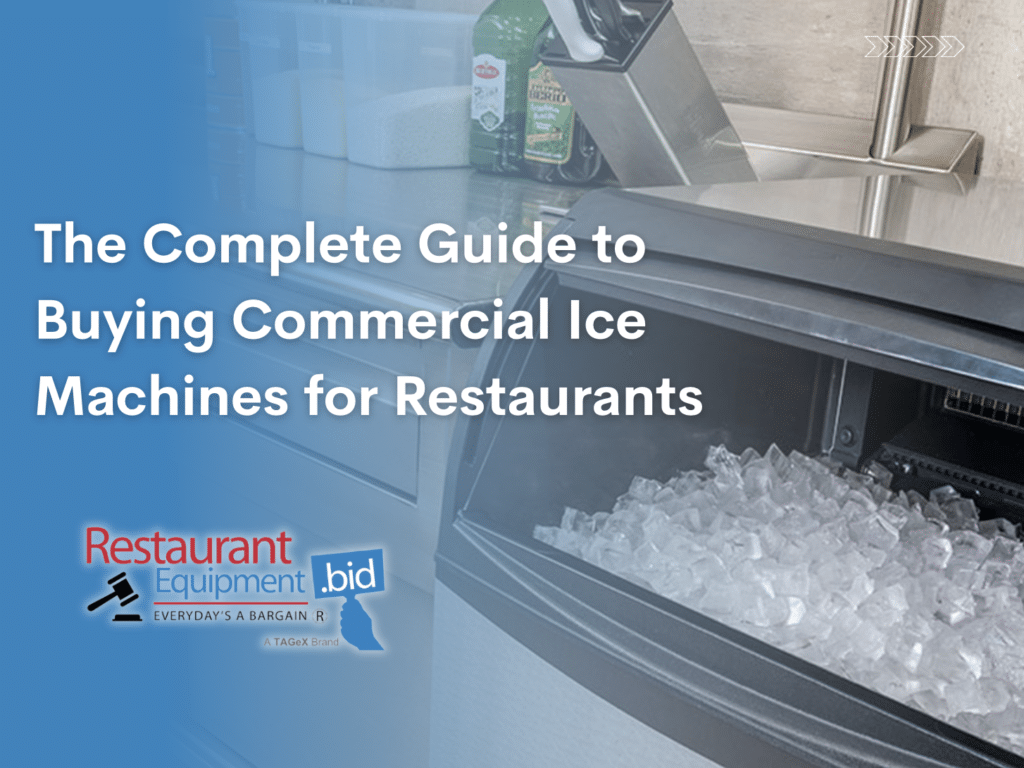
Choosing the right commercial ice machine is one of the most critical decisions for any foodservice operation. It’s not just about making cold cubes; it’s about food safety, beverage quality, and operational efficiency. This guide covers everything you need to know about selecting the best commercial ice machines for restaurants, from understanding key specs to comparing new vs. used options. A common mistake is underestimating daily usage, which leads to shortages during peak hours, so careful planning is essential before you buy.
What to Look for in Commercial Ice Machines: Key Specs and Features
When you start shopping, the technical specifications can feel overwhelming. Focus on these core features to narrow down your options and find a machine that matches your restaurant’s specific needs.
- Production Capacity: This is the most important spec, measured in pounds of ice produced per 24 hours. A small cafe might only need a 100 lb. machine, while a busy bar or restaurant could require 500-1000 lbs. or more. Calculate your needs based on customer traffic, menu items (soda, cocktails, seafood displays), and peak demand.
- Bin Capacity: This is how much ice the machine can store at one time. A general rule is to have a bin that holds 30-50% of your machine’s 24-hour production capacity. This ensures you have a buffer during rushes.
- Condenser Type: The condenser is responsible for cooling the refrigerant. You have three main choices:
- Air-Cooled: The most common and affordable type. It uses a fan to blow ambient air over the condenser coils. Requires several inches of clearance around the unit for proper airflow.
- Water-Cooled: Uses a continuous flow of water to cool the condenser. It’s more efficient in hot kitchens but consumes a significant amount of water, increasing utility costs.
- Remote-Cooled: The condenser unit is installed separately, often on the roof. This keeps heat and noise out of the kitchen, but it’s the most expensive option to purchase and install.
- Dimensions: Always measure your available space before buying. Check the width, depth, and height of the unit, including the storage bin. Don’t forget to account for the required clearance space on the sides and back for ventilation.
- Certifications: Look for key certifications that ensure safety and quality. NSF (National Sanitation Foundation) certification means the unit is easy to clean and safe for commercial food environments. An ENERGY STAR rating indicates the machine is energy-efficient, saving you money on utility bills.
- Electrical Requirements: Check the voltage and phase of the machine. Smaller undercounter units typically use a standard 115V outlet. Larger modular units often require a 208-230V connection, and some may need a 3-phase power supply. Confirm this with your electrician before purchase.
Types of Commercial Ice:
Which Cube Is Right for Your Restaurant?
The type of ice you serve impacts drink presentation, taste, and dilution. Different machines produce different shapes, each with unique benefits for specific applications.
Full Cube (Dice) Ice
This is the classic, large, slow-melting cube (approx. 7/8″ x 7/8″ x 7/8″). Its large surface area means it melts slowly, minimizing drink dilution. It’s perfect for high-end cocktails, spirits on the rocks, and general beverage service in fine dining restaurants and bars.
Half Cube (Half-Dice) Ice
Smaller and easier to handle than full cubes, half-dice ice is the most versatile option. It packs tightly into glasses, maximizing liquid displacement, and is great for soft drinks, iced tea, and blended beverages. This is the go-to choice for most fast-casual and quick-service restaurants.
Nugget (Chewable) Ice
Nugget ice, the soft, chewable style that’s become increasingly popular with customers. It absorbs the flavor of the beverage and is excellent for sodas, smoothies, and therapeutic applications in healthcare settings.
Flake Ice
Flake ice consists of small, soft pieces of ice that mold easily to any shape. It’s ideal for creating food displays for seafood, produce, and salad bars. It’s also used in blended cocktails and some medical applications, as its gentle texture won’t damage delicate ingredients or equipment.
New vs. Used Commercial Ice Machines for Restaurants: Making the Right Call
While a brand-new machine is appealing, buying quality used restaurant equipment can provide incredible value, often saving you 40-70% off the list price. However, you need to know what to look for.
When inspecting a used ice machine, check for scale buildup on the evaporator plate, as this indicates poor maintenance. Ensure the condenser fins are clean and not bent. Listen to the compressor and fan motors—they should run smoothly without excessive rattling or grinding. Always ask for the model and serial number to verify the unit’s age. Avoid machines older than 7-10 years, as they are less efficient and may use outdated refrigerants like R-22, which is being phased out and is expensive to service. Sticking to well-known brands with readily available parts, like Hoshizaki or Manitowoc, is a smart strategy when buying used.
How Much Do Commercial Ice Machines Cost?
Prices for commercial ice machines vary widely based on production capacity, brand, and condition. Here’s a breakdown of what you can expect to pay:
- New Undercounter Machines (under 250 lbs/day): $2,000 – $4,500
- New Mid-Size Modular Heads (250-500 lbs/day): $3,500 – $7,000 (bin sold separately)
- New Large-Capacity Modular Heads (500-1000+ lbs/day): $6,500 – $15,000+
When buying used from a reputable source like an online auction, you can expect significant savings:
- Used Undercounter Machines: $700 – $1,800
- Used Mid-Size Modular Heads: $1,500 – $3,500
- Used Large-Capacity Modular Heads: $2,500 – $6,000
Factors that drive prices up include premium brands, ENERGY STAR ratings, and advanced features like self-cleaning cycles or antimicrobial components.
Best Brands for Commercial Ice Machines: What Professionals Rely On
Investing in a reputable brand ensures reliability, performance, and better access to parts and service. Here are some of the top names in the industry:
- Hoshizaki: A Japanese brand renowned for its exceptional reliability and durable stainless steel construction. They are famous for their unique crescent-shaped cubes that pack together tightly.
- Manitowoc: An American industry leader known for innovation and a vast range of models. Their Indigo NXT series features advanced diagnostics and easy-to-clean components.
- Scotsman: Another top-tier brand offering a wide variety of ice types, including their popular nugget ice. They are known for their Prodigy Plus line, which emphasizes efficiency and sanitation.
- Ice-O-Matic: Often considered a great value brand, Ice-O-Matic produces durable, reliable machines at a more competitive price point without sacrificing performance.
- Cornelius: A major player in the beverage dispensing industry, Cornelius offers a range of ice machines that integrate seamlessly with soda fountain systems.
Where to Buy Commercial Ice Machines for Your Restaurant
You have several options when purchasing an ice machine. Traditional equipment dealers offer new equipment with full warranties but at the highest prices. Restaurant supply stores offer convenience but a more limited selection. For savvy operators looking for the best value, liquidations and online auctions are the ideal choice. Our marketplace, RestaurantEquipment.Bid, specializes in exactly this, pre-owned commercial ice machines from verified sources at auction prices It’s a smart way to get professional-grade gear without breaking your budget. You can browse current commercial ice machine listings to see what’s available now.
Final Checklist Before You Buy
Before you finalize your purchase, run through this quick checklist to avoid common pitfalls:
- Have you accurately calculated your peak daily ice needs?
- Have you measured the installation space, including clearance for ventilation?
- Does your location have the correct electrical outlet and voltage?
- Do you have a water line and a floor drain nearby?
- Have you budgeted for a water filtration system (highly recommended)?
- What is the ambient temperature of the room where the machine will be? Higher temps reduce production.
- Is the machine’s noise level acceptable for its location?
- If buying used, have you verified the machine’s age and maintenance history?
- Have you researched service technicians in your area who are certified for your chosen brand?
Ready to find your Next Ice Machine?
Answering these questions will ensure you select a machine that serves your restaurant reliably for years to come. A well-chosen ice machine is an investment in your operation’s success.
By doing your homework and exploring all purchasing options, you can find the perfect unit.
Get started today by exploring current auction listings and register to bid to find a high-quality commercial ice machine at an unbeatable price.
Phone: 1.800.572.4480
Email: info@RestaurantEquipment.bid
Related posts