Signs Your Restaurant Needs a New Commercial Fryer: A Complete Guide
Signs Your Restaurant Needs a New Commercial Fryer: A Complete Guide
Your commercial fryer is a profit center, turning low-cost ingredients into high-margin bestsellers. But like any workhorse in a busy kitchen, it won’t last forever. Continuing to use a failing fryer not only produces poor-quality food but also poses significant safety risks and can lead to costly emergency repairs. This guide covers the key…
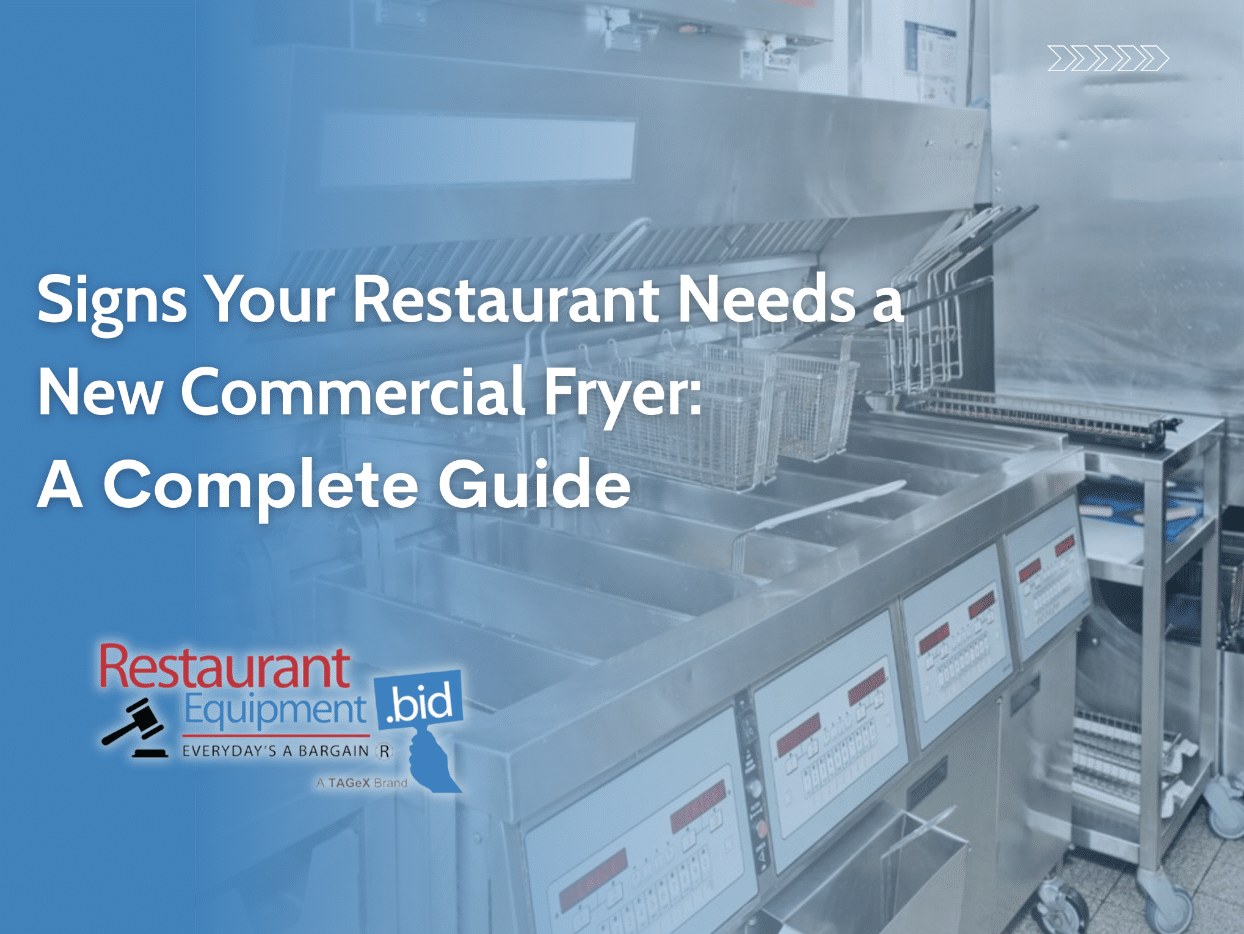
Signs Your Restaurant Needs a New Commercial Fryer: A Complete Guide
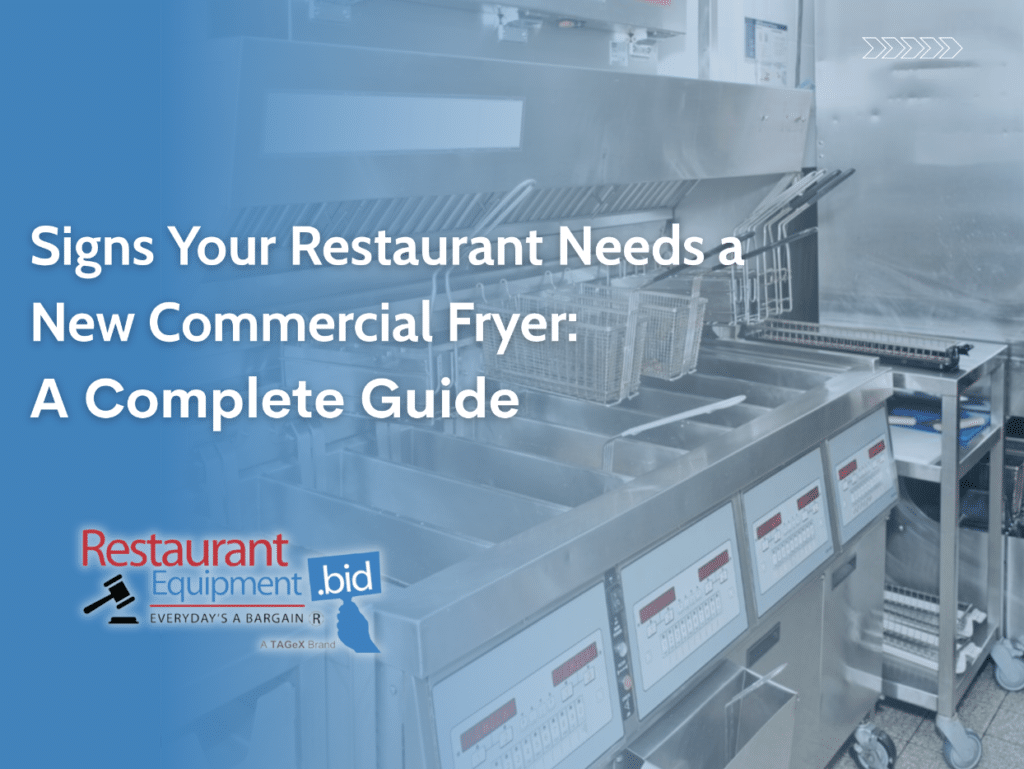
Your commercial fryer is a profit center, turning low-cost ingredients into high-margin bestsellers. But like any workhorse in a busy kitchen, it won’t last forever. Continuing to use a failing fryer not only produces poor-quality food but also poses significant safety risks and can lead to costly emergency repairs. This guide covers the key performance, safety, and financial signs your restaurant needs a new commercial fryer. By the end, you’ll be able to confidently decide whether to repair your current unit one more time or invest in a replacement that will protect your profits and your reputation.
Declining Food Quality and Inconsistent Results
The first and most obvious sign of a failing fryer is its impact on your food. When customers start complaining about greasy fries or unevenly cooked chicken, your fryer is often the culprit. Pay close attention to these indicators.
Longer Recovery Times
Recovery time is how quickly the oil returns to the ideal cooking temperature after a basket of frozen food is dropped in. An efficient fryer recovers in minutes. An aging one might struggle, causing the temperature to stay low for too long. This results in the food absorbing excess oil, leading to a soggy, greasy final product instead of a crisp one. If your ticket times are slowing down and your fried food quality is dropping, slow oil recovery is a likely cause and a major sign that the heating elements or burners are failing.
Uneven Cooking and Hot/Cold Spots
Are you finding that items in the same basket are cooking at different rates? One side is perfectly golden brown while the other is pale or, worse, burnt? This points to a failure in the heat distribution system. In gas fryers, burners can become clogged or degraded, creating hot spots. In electric models, one or more heating elements may be failing. This inconsistency makes quality control impossible and is a clear sign that the core functionality of your fryer is compromised.
Off-Flavors in Food
If your food consistently has a burnt or acrid taste, even after you’ve changed the oil, the problem lies with the fryer itself. Over time, excessive carbonized debris can build up in areas that are impossible to clean effectively. More critically, a malfunctioning thermostat can cause the oil to overheat and scorch, breaking it down rapidly and imparting that undesirable flavor to everything you cook. This not only ruins food but also forces you to waste money on frequent oil changes.
Escalating Repair Costs and Frequent Downtime
A failing fryer doesn’t just affect your food; it hits your wallet directly. While a single repair can be a smart fix, a pattern of breakdowns is a clear signal to cut your losses and upgrade.
Frequent Repairs and Rising Maintenance Costs
You’re on a First-Name Basis with Your Repair Tech. If you’re calling for service every few months for issues with the thermostat, pilot light, gas valve, or high-limit switch, you’re caught in the “one more fix” trap. Add up the costs of these individual repairs over the last year. It’s common for operators to realize they’ve spent half the cost of a reliable used replacement just to keep a failing unit limping along. A new piece of equipment should provide stability, not be a recurring line item in your maintenance budget.
Parts are Obsolete or Hard to Find
For fryers that are 10-15 years old or older, sourcing the correct replacement parts can become a challenge. Your technician may have to spend hours searching for a compatible part, or you may have to wait weeks for it to be shipped, leaving you without a functioning fryer. If a critical component like a gas valve or main circuit board is declared obsolete by the manufacturer, your decision is made for you. It’s time to replace the unit.
Visible Physical Damage and Safety Concerns
Some issues go beyond performance and become serious safety hazards. These are non-negotiable signs your restaurant needs a new commercial fryer immediately. Any compromise on safety puts your staff, your customers, and your entire business at risk.
Cracked or Leaking Fry Pot
A leak in the fry tank is one of the most dangerous failures a fryer can have. Hot cooking oil leaking onto the floor is a severe slip and burn hazard. If it leaks near the burners or internal wiring, it creates an immediate and catastrophic fire risk. Welds on a fry pot cannot be reliably repaired to withstand the constant expansion and contraction from heating cycles. If you see any signs of a leak, no matter how small, decommission the fryer immediately and begin shopping for a replacement.
Damaged Controls and Frayed Wiring
The controls are the interface between your staff and a tank of 350°F oil. Broken knobs, unresponsive digital displays, or cracked control panels can lead to dangerous temperature setting errors. Any visible signs of frayed or heat-damaged wiring are also red flags, indicating a risk of electrical shock or fire. Do not operate equipment with compromised electrical or control systems.
Changes in Your Operation or Menu
Sometimes, the need for a new fryer isn’t about failure, but about growth. Your business may have simply outgrown your current equipment’s capabilities, making an upgrade a strategic investment rather than a reactive repair.
Increased Customer Volume
If your restaurant is busier than ever, your old single-tank fryer might be a major bottleneck in the kitchen. During a rush, you can’t cook fast enough, leading to longer ticket times and frustrated customers. Upgrading to a larger, higher-BTU model or a multi-tank battery of fryers can dramatically increase your throughput, allowing you to serve more customers and increase revenue.
Menu Expansion and Allergen Management
Are you looking to add new fried items to your menu? Cooking breaded chicken, fish, and French fries in the same oil can lead to flavor transfer. More importantly, if you want to offer a dedicated gluten-free option, you absolutely need a separate, dedicated fryer to avoid cross-contamination. Always verify your specific allergen protocols with your local health department, as requirements vary. Investing in an additional fryer is the only safe way to expand your menu to accommodate dietary restrictions. As you plan your kitchen layout, you can browse a wide variety of commercial restaurant equipment to find the perfect fit for your new menu.
Time to Replace Your Commercial Fryer?
Recognizing the signs your restaurant needs a new commercial fryer is the first step. When repair costs mount, food quality suffers, and safety becomes a concern, the decision is clear. An unreliable fryer is a liability. Investing in a new or a high-quality, refurbished replacement restores consistency to your kitchen, protects your staff, and ensures you can keep serving the crispy, delicious food your customers love. A dependable fryer isn’t an expense; it’s an investment in your business’s success. When you’re ready to find a replacement, you can explore hundreds of reliable used units from top brands. Browse our current online restaurant equipment auctions to find your next workhorse fryer at a price that fits your budget.
Related posts