A Practical Guide to Buying Commercial Refrigerators for Restaurants
A Practical Guide to Buying Commercial Refrigerators for Restaurants
Choosing the right refrigeration is one of the most critical decisions you’ll make for your kitchen. The wrong unit can lead to spoiled inventory, high energy bills, and service disruptions that cripple your operation. This guide breaks down everything you need to know about selecting commercial refrigerators for restaurants, from decoding specs to understanding the…
A Practical Guide to Buying Commercial Refrigerators for Restaurants
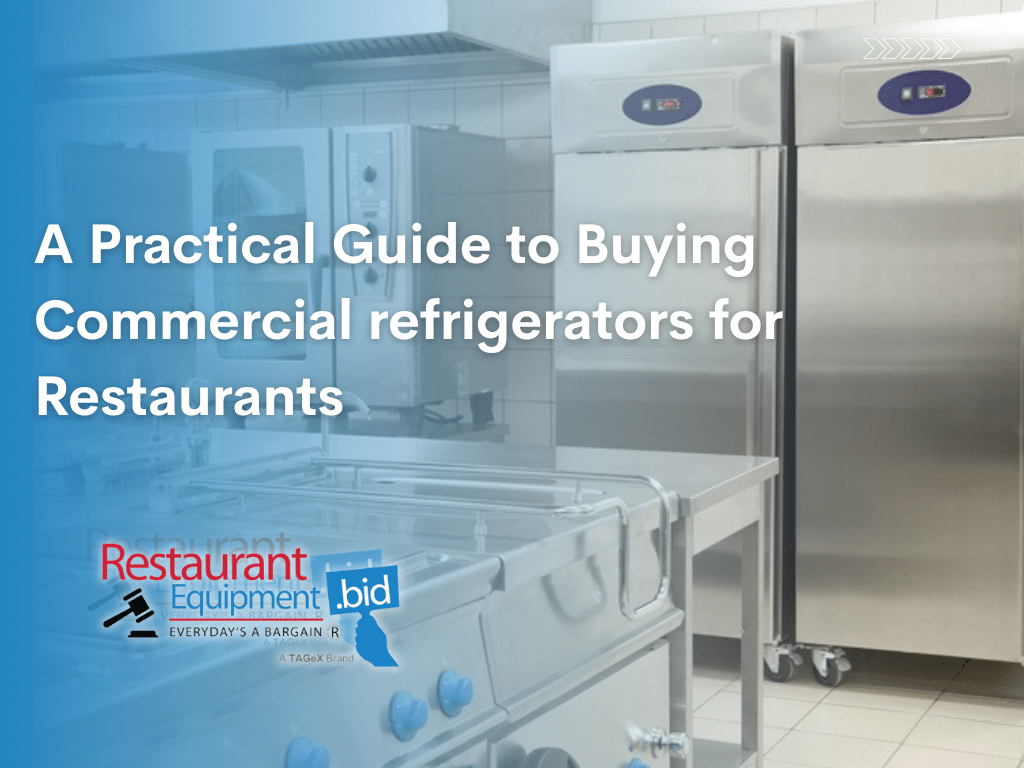
Choosing the right refrigeration is one of the most critical decisions you’ll make for your kitchen. The wrong unit can lead to spoiled inventory, high energy bills, and service disruptions that cripple your operation. This guide breaks down everything you need to know about selecting commercial refrigerators for restaurants, from decoding specs to understanding the real costs of new vs. used. We’ll help you invest wisely in the equipment that forms the backbone of your foodservice business.
What to Look for in Commercial Refrigerators: Key Specs and Features
Before you start browsing, get familiar with the technical specifications that determine a refrigerator’s performance, fit, and efficiency. Paying attention to these details will ensure you get a unit that serves your needs for years to come.
- Capacity: Measured in cubic feet, this tells you the internal storage volume. A standard single-door reach-in is around 23 cubic feet, while a two-door model is typically 49 cubic feet. Don’t just buy the biggest you can find; an oversized, half-empty refrigerator is inefficient. Match capacity to your inventory needs.
- Dimensions: Measure your space carefully! Check the exterior height, width, and depth. Don’t forget to measure doorways, hallways, and corners the unit must pass through for installation. A top-mounted compressor adds height, so ensure you have adequate ceiling clearance for ventilation (usually 4-6 inches).
- Compressor Location: The compressor is the heart of the refrigerator. Its location impacts performance and maintenance. A top-mount compressor is ideal for hot kitchens as it pulls in cooler air from above the floor and doesn’t get clogged as easily with dust and debris. A bottom-mount compressor is easier to access for cleaning and service, and the lower shelves are easier to reach, but it can pull in more floor-level debris.
- Certifications: Look for two key logos. NSF (National Sanitation Foundation) certification means the unit is approved for use in a commercial foodservice environment, meeting standards for materials and cleanability. An ENERGY STAR rating indicates the refrigerator meets strict energy efficiency guidelines set by the EPA, saving you money on your utility bills.
- Electrical Requirements: Most standard reach-ins use a 115V connection and a NEMA 5-15P plug, which fits a standard wall outlet. However, larger units or specialty refrigerators might require a 208/230V circuit. Always verify the voltage and amperage to ensure your kitchen’s electrical system can support it.
Types of Commercial Refrigerators: Which One Is Right for Your Restaurant?
Commercial refrigeration isn’t a one-size-fits-all category. The right type depends on your kitchen layout, menu, and service style. Here are the most common configurations.
Reach-In Refrigerators
These are the workhorses of most professional kitchens. Available in one, two, or three-door configurations, they provide easy access to everyday ingredients. Solid door models offer better insulation and efficiency, while glass door models allow staff to see inventory without opening the door, saving energy and time.
Walk-In Coolers
For high-volume operations, restaurants with large inventories, or businesses that receive bulk deliveries, a walk-in cooler is essential. These are custom-built or prefabricated rooms that offer maximum storage capacity for cases of produce, kegs, and large food containers.
Undercounter & Worktop Refrigerators
These compact units are designed to fit under standard countertops, providing refrigerated storage directly at prep stations. Worktop models feature a durable stainless steel top that can be used as an additional food prep surface. They are perfect for optimizing workflow and saving space on the line.
Prep Tables (Salad/Sandwich/Pizza)
A specialized form of worktop refrigerator, prep tables combine a refrigerated base with a top rail designed to hold cold food pans (like toppings for salads or pizzas) and a cutting board work surface. They are indispensable for assembling dishes quickly and safely.
Glass Door Merchandisers
Designed for the front-of-house, these refrigerators have glass doors and attractive lighting to display beverages, pre-packaged meals, and desserts for customers. They are a staple in cafes, convenience stores, and grab-and-go concepts.
New vs. Used Commercial Refrigerators: Making the Right Call
A brand-new refrigerator offers a full warranty and the latest technology, but it comes at a premium price. Buying quality used equipment can be a savvy financial move, allowing you to acquire professional-grade brands at a fraction of the cost. When buying used, especially through an auction platform, you can often save 40-70% compared to buying new.
When inspecting a used unit, pay close attention to:
- Door Gaskets: Check for cracks, brittleness, or gaps. A poor seal forces the compressor to work harder, wasting energy and causing temperature fluctuations.
- The Compressor: Listen to it run. Does it kick on and off properly? Are there any loud, unusual noises?
- Physical Condition: Look for significant rust or corrosion, especially on the interior floor and around the condenser coils.
- Refrigerant Type: Modern units use environmentally friendly refrigerants like R290 (propane) or R404a. Avoid very old units that may use phased-out refrigerants like R22, as service can be expensive and difficult.
Platforms like RestaurantEquipment.Bid sell equipment
To learn more, visit browse current auction listings or explore restaurant equipment.
Related posts