The Ultimate Buyer’s Guide to Commercial Ovens for Restaurants
The Ultimate Buyer’s Guide to Commercial Ovens for Restaurants
The oven is the heart of any commercial kitchen, and choosing the right one is a critical decision that impacts your menu, workflow, and bottom line. With new models costing upwards of $15,000, making a smart investment is crucial. This guide provides a complete breakdown of what you need to know about commercial ovens for…
The Ultimate Buyer’s Guide to Commercial Ovens for Restaurants
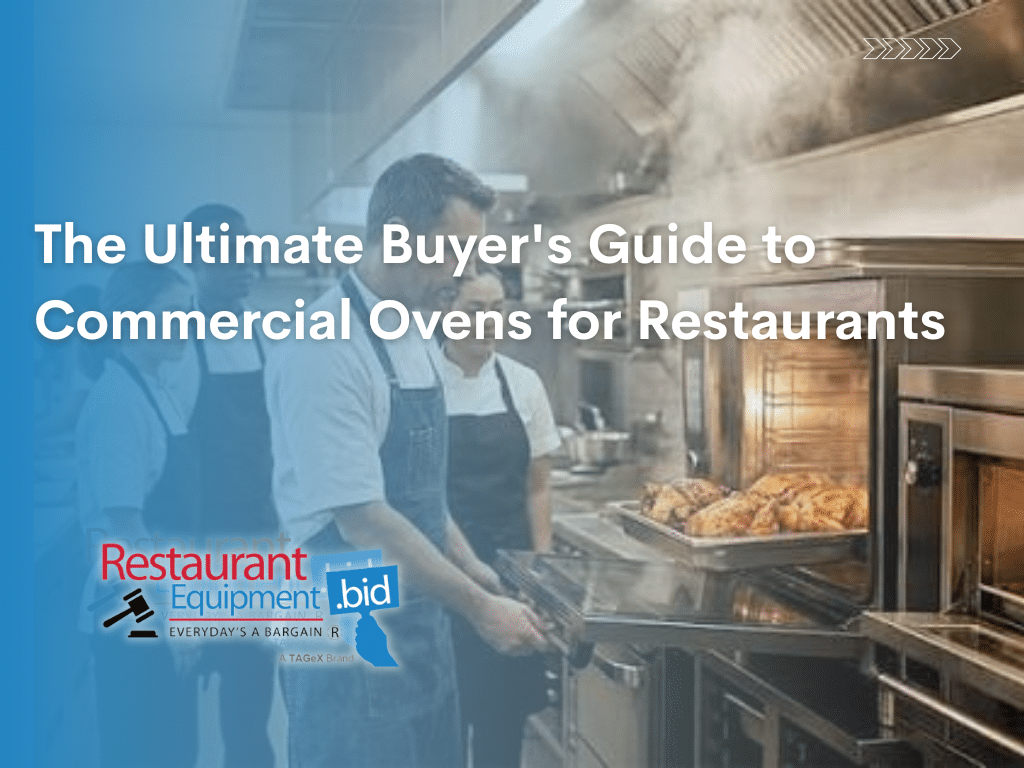
The oven is the heart of any commercial kitchen, and choosing the right one is a critical decision that impacts your menu, workflow, and bottom line. With new models costing upwards of $15,000, making a smart investment is crucial. This guide provides a complete breakdown of what you need to know about commercial ovens for restaurants, from understanding key specifications to finding the best value on the market.
What to Look for in Commercial Ovens: Key Specs and Features
Before you start shopping, you need to know the language. Understanding these core specifications will ensure you select an oven that fits your space, utility connections, and cooking demands.
- Heat Source: The primary choice is between gas and electric. Gas ovens, measured in BTUs (British Thermal Units), typically range from 50,000 to 150,000 BTU. They heat up quickly and are often preferred for their responsive temperature control. Electric ovens require specific voltage and phasing (e.g., 208V/3-phase or 240V/1-phase), offering consistent, even heat ideal for baking. Always confirm your kitchen’s utility connections before buying.
- Capacity and Dimensions: Pay attention to both exterior and interior dimensions. Will the oven fit through your doors and into its designated space? Internally, capacity is often measured by the number of racks and whether it can hold full-size (18″x26″) or half-size (18″x13″) sheet pans.
- Temperature Range and Controls: Most commercial ovens operate between 150°F and 550°F. Controls can be manual (dials) or digital (programmable). Manual controls are simple and durable, while digital controls offer precision, presets for specific recipes, and advanced features like humidity control in combi ovens.
- Certifications: Look for key safety and sanitation logos. An NSF (National Sanitation Foundation) mark means the oven is easy to clean and safe for food service. A UL (Underwriters Laboratories) listing indicates it has met electrical and gas safety standards. An Energy Star rating signifies higher energy efficiency, which can save you significantly on utility bills over the oven’s lifespan.
- Ventilation Requirements: Nearly all commercial ovens require mechanical ventilation. Convection, deck, and range ovens typically need a Type 1 hood (grease hood), especially when cooking fatty proteins. Check your local health and fire codes to ensure you have the correct ventilation system in place.
Types of Commercial Ovens: Which One Is Right for Your Restaurant?
The type of oven you choose should directly support your menu. Each design excels at different cooking methods and volumes.
Convection Ovens
A convection oven uses internal fans to circulate hot air, which eliminates hot spots and cooks food about 25% faster than a conventional oven. They are versatile workhorses found in most kitchens.
- Pros: Fast and even cooking, excellent for roasting, baking, and browning. Available in full-size and space-saving countertop models.
- Cons: The fan can dry out delicate items like custards or soufflés.
- Best for: Bakeries, cafeterias, high-volume restaurants, and all-purpose kitchens.
Deck Ovens
Deck ovens use conductive heat from a stone or steel deck and radiant heat from the top and bottom of the oven cavity. They are the gold standard for pizza and artisan bread.
- Pros: Creates a superior crust, excellent heat retention, and stackable designs save floor space.
- Cons: Slower preheat and cooking times, require more skill to operate.
- Best for: Pizzerias, artisan bakeries, and restaurants specializing in hearth breads.
Combi Ovens
A combi oven combines three cooking functions in one unit: convection (dry heat), steam (moist heat), and a combination of both. This versatility allows you to roast, steam, smoke, bake, and even proof bread.
- Pros: Extremely versatile, precise humidity control, high food quality, can replace multiple other pieces of equipment.
- Cons: High initial cost, complex to operate and maintain, requires a water line and drain.
- Best for: Fine dining, hotels, large catering operations, and kitchens focused on precision cooking.
Conveyor Ovens
These ovens use a conveyor belt to move food through a heated chamber at a consistent speed. They are built for high-volume, repeatable results.
- Pros: Extremely high output, minimal labor required, perfectly consistent results every time.
- Cons: Large footprint, limited flexibility for different menu items.
- Best for: High-volume pizzerias, large sandwich chains, and institutional foodservice.
New vs. Used Commercial Ovens: Making the Right Call
While a new oven comes with a warranty, buying high-quality used equipment can be a savvy financial move, especially for independent operators. You can often acquire a premium brand for the price of a budget new model, saving 40-70% off the list price. When considering used commercial ovens for restaurants, focus on durability and condition.
When inspecting a used oven, check for:
- Cleanliness: A clean interior suggests good maintenance. Heavy, baked-on grease can be a fire hazard and indicate neglect.
- Door Gaskets: Check for a tight seal. Worn, cracked, or missing gaskets will leak heat, wasting energy and causing inconsistent cooking.
- Fans and Controls: If possible, power the unit on. Do the convection fans spin freely and quietly? Do the thermostat and timers function correctly?
- Rust and Corrosion: Surface rust on the exterior is often cosmetic, but significant rust inside the cooking cavity or on structural components is a major red flag.
How Much Do Commercial Ovens Cost? Pricing Guide for 2026
Prices vary widely by type, brand, and condition. Here are some realistic price ranges to help you budget.
- Standard Convection Oven (Single Deck): New: $4,000 – $11,000 | Used Auction: $600 – $2,800
- Pizza Deck Oven (Double Deck): New: $8,000 – $20,000 | Used Auction: $1,500 – $5,000
- Combi Oven (Half-Size): New: $12,000 – $25,000 | Used Auction: $2,500 – $9,000
- Conveyor Oven (Countertop): New: $7,000 – $15,000 | Used Auction: $2,000 – $6,000
Factors that drive prices higher include premium brands (like Rational or Blodgett), digital programmable controls, larger capacity, and additional features. At auction, the final price is determined by bidder demand, but the savings are consistently significant.
Best Brands for Commercial Ovens: What Professionals Rely On
Investing in a reputable brand often means better build quality, longer lifespan, and better availability of replacement parts. Here are a few top names to look for:
- Blodgett: An industry icon known for incredibly durable convection and deck ovens that can last for decades.
- Vulcan: A part of the ITW family, Vulcan produces reliable, heavy-duty ovens of all types. They are a workhorse in many commercial kitchens.
- Southbend: Known for providing excellent performance and durability at a competitive price point, especially their ranges and convection ovens.
- Garland: A Welbilt brand offering a wide range of powerful and efficient convection ovens and ranges trusted by chefs worldwide.
- Rational: The undisputed leader in combi oven technology. They are a premium investment known for innovation and precision.
- Middleby Marshall: A top-tier brand specializing in high-performance conveyor ovens, particularly for the pizza industry.
Where to Buy Commercial Ovens for Your Restaurant
You have several options when sourcing an oven. New equipment dealers offer the latest models and warranties but at the highest prices. Local restaurant supply stores may have some stock, but for the best value, liquidations and online auctions are hard to beat. Platforms like RestaurantEquipment.Bid offer a unique advantage by consolidating equipment from restaurant closures, remodels, and liquidations nationwide. This gives you access to a wide variety of professional-grade restaurant equipment, often from well-known brands. Bids start at just $1 with no reserves, meaning you can acquire a high-end oven for a fraction of its original cost. You can browse current auction listings to see what’s available right now.
Final Checklist Before You Buy
Use this quick list to ensure you’ve covered all your bases before making a final purchase decision.
- Have I measured my kitchen space, including doorways and hallways?
- Do I have the correct gas line (size and pressure) or electrical outlet (voltage and phase)?
- Is my ventilation hood adequate for this type of oven?
- Will my standard sheet pans or pizza screens fit inside?
- Have I researched the availability of parts and service technicians for this brand and model in my area?
- If buying at auction, have I factored in the buyer’s premium (15% at RestaurantEquipment.Bid) and pickup/shipping costs?
- Have I read the full item description and carefully examined all photos provided?
- Does this oven truly fit my menu and projected volume?
Choosing the right oven is a foundational step in building an efficient and profitable kitchen. By understanding the key types, specs, and brands, you can make an informed decision. For operators focused on maximizing their capital, exploring the used market through auctions offers an incredible opportunity to get the equipment you need at a price you can afford. Take the next step and browse the commercial ovens available in our current auctions and register for a free account to start bidding.
Related posts