7 Clear Signs You Need a New Holding Cabinet
7 Clear Signs You Need a New Holding Cabinet
Your holding cabinet, or hot box, is one of the unsung heroes of a commercial kitchen. It keeps food at a safe, consistent, and appetizing temperature between cooking and serving, ensuring quality and streamlining service. But because it runs quietly in the background, it’s easy to miss the gradual decline that signals it’s time for…
7 Clear Signs You Need a New Holding Cabinet
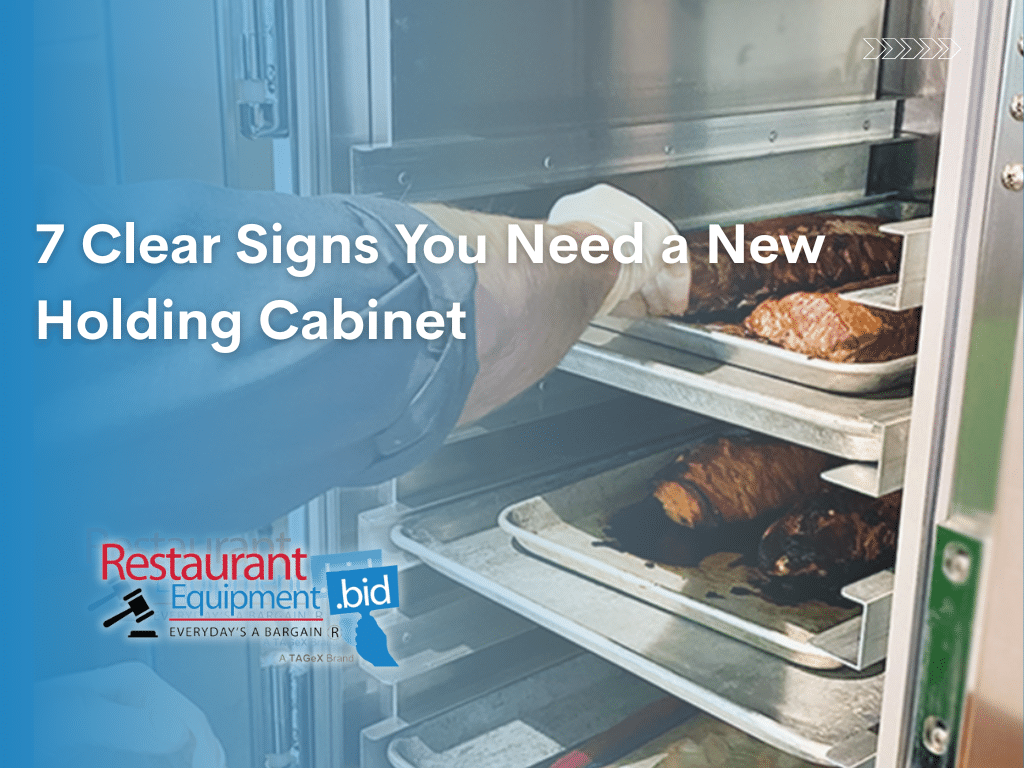
Your holding cabinet, or hot box, is one of the unsung heroes of a commercial kitchen. It keeps food at a safe, consistent, and appetizing temperature between cooking and serving, ensuring quality and streamlining service. But because it runs quietly in the background, it’s easy to miss the gradual decline that signals it’s time for a replacement. Ignoring these warnings can lead to compromised food safety, inconsistent product quality, and rising utility bills. This guide covers the seven key signs you need a new holding cabinet, helping you decide when to repair and when to replace.
1. Inconsistent or Fluctuating Temperatures
This is the most critical sign. A holding cabinet’s primary job is to keep food out of the temperature danger zone (40°F to 140°F). If it can’t do that reliably, it’s a liability. You might notice food is either lukewarm or dried out and overcooked. Don’t just trust the built-in thermometer; periodically check the internal temperature with a calibrated, independent thermometer in various spots within the cabinet. If you find significant fluctuations or an inability to hold a set temperature, you have a problem.
Common Causes of Temperature Issues:
- Failing Thermostat: The component that reads and regulates temperature can wear out, leading to inaccurate readings and performance.
- Worn-Out Heating Element: The element that generates heat can degrade over time, struggling to produce enough warmth to keep up, especially during busy periods.
- Poor Air Circulation: A failing fan motor can prevent even heat distribution, creating hot and cold spots inside the cabinet.
- Damaged Door Gaskets: A poor seal lets heat escape, forcing the unit to work overtime without ever reaching its target temperature.
While a single component like a thermostat can sometimes be replaced, if you’re facing multiple issues or the unit is over a decade old, the cost of repairs can quickly approach the value of a reliable used replacement.
2. Visible Rust, Corrosion, or Damaged Surfaces
The physical condition of your holding cabinet is a direct indicator of its health and safety. Pay close attention to both the interior and exterior surfaces. Interior rust is a major red flag. It’s not just an eyesore; it’s a food safety hazard. Rust particles can flake off and contaminate food, and the pitted, rough surface becomes a breeding ground for bacteria that is nearly impossible to properly sanitize. This corrosion is often caused by long-term exposure to moisture and heat, indicating a breakdown of the cabinet’s protective coating. Exterior rust might seem less critical, but it often points to deeper structural issues or a history of being stored in a damp environment. Dents, warped panels, and broken shelving or slides also compromise the unit’s safety and functionality.
3. Worn, Torn, or Brittle Door Gaskets
The rubber or silicone seal around the cabinet door is essential for maintaining an efficient thermal envelope. Over time, these gaskets get brittle, crack, tear, or become compressed, preventing the door from sealing properly. A faulty gasket is a primary cause of heat loss, which leads directly to two problems: inconsistent food temperatures and higher energy consumption. Your cabinet’s heating element will run constantly to compensate for the escaping heat, putting unnecessary strain on the components and your utility budget. You can test your seal with the paper test: close the door on a slip of paper. If you can pull it out easily without any resistance, your gasket is not sealing correctly. While gaskets are a replaceable part, finding a perfect match for an older, obscure model can be difficult. Furthermore, if the door itself is warped or the hinges are damaged, a new gasket won’t solve the underlying problem.
4. Escalating Energy Bills
Have you noticed an unexplained spike in your restaurant’s monthly electricity bill? An aging, inefficient piece of equipment is often the culprit. A holding cabinet with failing components—like a bad gasket, a struggling heating element, or an inefficient motor—has to work much harder to maintain its set temperature. This constant, inefficient operation can turn your hot box into an energy vampire, quietly adding significant cost to your overhead. Newer holding cabinets, even used models from recent years, are built with better insulation and more efficient technology. Replacing a decrepit, energy-hogging unit can often lead to tangible savings on your utility bills that help offset the cost of the new equipment over time.
5. It No Longer Meets Your Menu or Volume Needs
Sometimes, the clearest of all signs you need a new holding cabinet has nothing to do with mechanical failure. It’s about your evolving business needs. Perhaps your operation has grown, and your half-size cabinet is creating a bottleneck during peak hours. Maybe you’ve launched a catering service and require an insulated, mobile cabinet that can be transported to event sites. Or, a menu change could mean you now need precise humidity controls for holding delicate items like bread or roasted meats without drying them out. Your equipment should support your business goals, not hinder them. If your current cabinet is limiting your menu, efficiency, or growth potential, it’s time to upgrade. Exploring the wide variety of restaurant equipment available, including pass-through models, proofing cabinets, and different sizes, can reveal options better suited to your current operational reality.
6. Frequent and Costly Repairs
A single repair on an otherwise reliable piece of equipment is a smart investment. A series of repairs in a short time frame is throwing good money after bad. If you’ve replaced the thermostat, then the fan motor, and now the door latch is failing, you’re experiencing the classic signs of systemic failure. The unit has reached the end of its viable service life. Add up the costs of parts and labor from the last 6-12 months. Now, compare that figure to the price of a quality used replacement. In many cases, you’ll find that you’re spending hundreds on patching up a failing unit when that money could be a significant down payment on a more reliable one. This is one of the most straightforward financial indicators that it’s time to stop repairing and start replacing.
7. Difficulty Sourcing Replacement Parts
For holding cabinets that are more than 10-15 years old or were made by a manufacturer that is no longer in business, finding specific replacement parts can become a frustrating and often impossible task. Your equipment technician might spend hours trying to locate a compatible heating element or a specific door hinge, only to come up empty-handed. When you can no longer find essential components, your equipment is living on borrowed time. The next breakdown could be the final one, forcing you into an emergency purchase. It’s far better to proactively replace the unit on your own terms before it fails completely during a critical dinner rush, leaving you scrambling for a solution.
Your Next Step: Finding an Affordable Replacement
Recognizing the signs you need a new holding cabinet is the first step. The next is finding a replacement that fits your budget and operational needs without compromising on quality. A brand-new holding cabinet can be a major capital expense, but it’s not your only option. Online auctions provide an excellent opportunity to acquire high-quality, brand-name used equipment at a fraction of the cost of new. If your current cabinet is showing any of these seven signs, it’s time to start planning your upgrade. You can browse current auctions for holding cabinets and other kitchen equipment to see what’s available in your area. Finding a reliable replacement will ensure your food quality remains high, your kitchen runs smoothly, and your business continues to thrive. Ready to get started? You can register to bid for free and find your next workhorse holding cabinet.
Related posts