7 Signs You Need a New Glass Door Merchandiser for Your Restaurant
7 Signs You Need a New Glass Door Merchandiser for Your Restaurant
Your glass door merchandiser is more than just a refrigerator; it’s a silent salesperson, showcasing your grab-and-go drinks, snacks, and prepared meals 24/7. When it’s working correctly, it boosts impulse buys and keeps products at safe, appealing temperatures. But when it starts to fail, it becomes a liability, risking inventory loss, high energy bills, and…
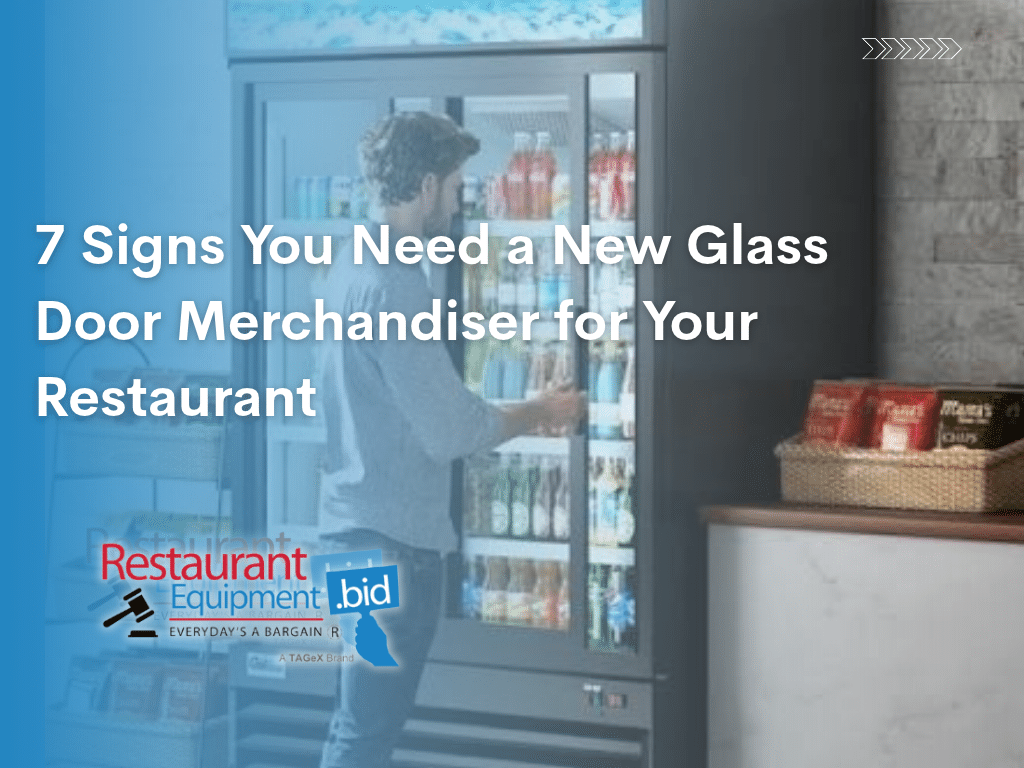
7 Signs You Need a New Glass Door Merchandiser for Your Restaurant
Your glass door merchandiser is more than just a refrigerator; it’s a silent salesperson, showcasing your grab-and-go drinks, snacks, and prepared meals 24/7. When it’s working correctly, it boosts impulse buys and keeps products at safe, appealing temperatures. But when it starts to fail, it becomes a liability, risking inventory loss, high energy bills, and a poor customer experience. This article covers the seven key signs you need a new glass door merchandiser, helping you decide when to repair and when it’s time to replace.
1. It Can’t Maintain a Consistent, Safe Temperature
This is the most critical sign. The primary job of any commercial refrigerator is to keep food out of the temperature “danger zone” (41°F to 135°F), where bacteria multiply rapidly. If you notice drinks aren’t cold, food feels lukewarm, or a thermometer inside the unit shows fluctuating or high temperatures, you have a serious problem. An inconsistent cooler not only compromises product quality but also poses a significant health risk to your customers.
Before you panic, check the basics:
- Is the thermostat set correctly?
- Are the condenser coils clean and free of dust?
- Is the unit over-packed, preventing proper airflow?
If you’ve addressed these issues and the temperature problems persist, the compressor, evaporator, or another core component is likely failing. At this point, a costly repair is imminent, and you should start considering a replacement.
2. Condensation and Fogging are Constant Problems
A little condensation is normal when the door is opened frequently in a humid environment. However, if you’re constantly seeing moisture, fog, or frost buildup on the inside of the glass, it’s a major red flag. This indicates that the door seals (gaskets) are worn out or the insulated glass panel has lost its seal. Warm, moist air is seeping into the unit, forcing the compressor to work overtime to maintain temperature.
This problem has several negative effects:
- Poor Product Visibility: Customers can’t buy what they can’t see. Foggy doors hide your products and look unappealing.
- Increased Energy Consumption: The unit has to run constantly to combat the incoming warm air, leading to higher electricity bills.
- Potential for Mold: Persistent moisture can lead to mold and mildew growth inside the unit, creating a health hazard.
Replacing gaskets is a straightforward repair, but if the glass itself is compromised, replacement is often the more economical choice.
3. The Compressor is Running Non-Stop (or Making Strange Noises)
A healthy merchandiser’s compressor cycles on and off throughout the day to maintain its set temperature. If you notice the compressor is running continuously, it’s a clear sign that it’s struggling. This could be due to a refrigerant leak, a failing thermostat, or simply an old, inefficient compressor that can no longer keep up. Either way, it’s consuming an enormous amount of electricity and is on the verge of burning out completely.
Additionally, pay attention to new or unusual sounds. Grinding, clanking, or loud buzzing noises from the compressor are often the final warning before a complete failure. When the compressor dies, your merchandiser is just an unlit box, and you’ll be faced with an emergency replacement and potentially a full load of spoiled product.
4. Your Energy Bills are Spiking
An unexplained increase in your utility bills can often be traced back to aging, inefficient refrigeration equipment. As components like compressors, fan motors, and door gaskets wear out, the entire system has to work harder and run longer to do its job. This decline in efficiency translates directly into higher energy costs.
Modern glass door merchandisers, especially those with an ENERGY STAR rating, are significantly more efficient than models from 10 or 15 years ago. They feature improved insulation, more efficient compressors, and LED lighting. Upgrading to a newer unit can often lead to substantial savings on your monthly energy bill, helping the investment pay for itself over time.
5. The Interior Lighting is Dim, Flickering, or Dead
The entire point of a *glass door* merchandiser is visual appeal. Bright, even lighting makes products look fresh and enticing, driving sales. If the interior lights are flickering, dim, or completely out, your merchandiser has lost its marketing power. While replacing a fluorescent bulb is a simple fix, recurring issues or problems with the ballast can be more complex and costly.
Many older units use fluorescent lighting, which can be inefficient and cast a less-than-flattering light on products. Newer models almost universally use LED lighting, which offers several advantages:
- Brighter, more uniform light
- Longer lifespan (up to 50,000 hours)
- Significantly lower energy consumption
- Less heat output, reducing the load on the refrigeration system
If your unit’s lighting system is failing, it’s a great opportunity to upgrade to a model with modern LED lighting.
6. The Exterior is Damaged, Rusted, or Outdated
Customer perception matters. A merchandiser that is dented, scratched, or showing signs of rust looks unsanitary and poorly maintained. This reflects negatively on your entire operation and can deter customers from purchasing items from it, even if it’s functioning perfectly on the inside. The aesthetic of your equipment is part of your brand’s presentation.
A dated design can also make your establishment look old. A sleek, modern merchandiser can refresh the look of your front-of-house area. While cosmetic damage might not seem like a critical failure, it directly impacts the unit’s ability to perform its secondary job: selling your products.
7. Repair Costs are Piling Up
One repair is an inconvenience. Two or three in a single year is a pattern. It’s essential to track how much you’re spending on service calls and parts for an aging merchandiser. A good rule of thumb is the 50% rule: if a single repair costs more than half the value of a comparable replacement unit, it’s more financially sound to replace it.
Constant breakdowns also lead to costly downtime and lost sales. Every hour your merchandiser is out of service is an hour you can’t sell those high-margin grab-and-go items. Instead of pouring more money into a failing piece of equipment, consider investing in a reliable replacement. Exploring options for used restaurant equipment can be a smart, budget-friendly way to upgrade without paying brand-new prices.
Time for an Upgrade? Find Your Next Merchandiser at Auction
Recognizing the signs you need a new glass door merchandiser is the first step. When it’s clear that repairs are no longer a cost-effective solution, replacing the unit is a smart investment in your business’s efficiency, food safety, and sales. A reliable merchandiser protects your inventory and actively helps you generate revenue.
For a budget-conscious way to acquire your next unit, consider the world of online restaurant equipment auctions. At RestaurantEquipment.Bid, you can find a wide variety of commercial merchandisers from restaurant closures and liquidations across the country. Instead of paying full retail, you can browse the current auctions and place bids on the equipment you need, with all bids starting at just $1. It’s a savvy way to upgrade your kitchen without breaking the bank.
Related posts