Convection vs. Conventional Ovens: Which Belongs in Your Kitchen?
Convection vs. Conventional Ovens: Which Belongs in Your Kitchen?
If you’re outfitting a professional kitchen or upgrading your equipment at home, one of the most common and important decisions you’ll face is choosing an oven. Should you go with the familiar conventional oven or invest in a faster, fan-powered convection oven? The answer isn’t the same for every kitchen, and it goes far beyond “which one cooks…
Convection vs. Conventional Ovens: Which Belongs in Your Kitchen?
If you’re outfitting a professional kitchen or upgrading your equipment at home, one of the most common and important decisions you’ll face is choosing an oven. Should you go with the familiar conventional oven or invest in a faster, fan-powered convection oven? The answer isn’t the same for every kitchen, and it goes far beyond “which one cooks faster.” In this guide, we’ll break down the key differences, pros and cons, and ideal uses for each type of oven, so you can make an informed decision that fits your cooking style, menu, and space.
How They Work: The Science of Heat
Conventional Ovens (also called thermal or radiant ovens) use heating elements, usually at the top and bottom of the oven cavity to radiate heat. The hot air rises naturally, creating zones of higher and lower temperature. This is why baking multiple trays at once in a conventional oven often requires rotating them for even cooking.
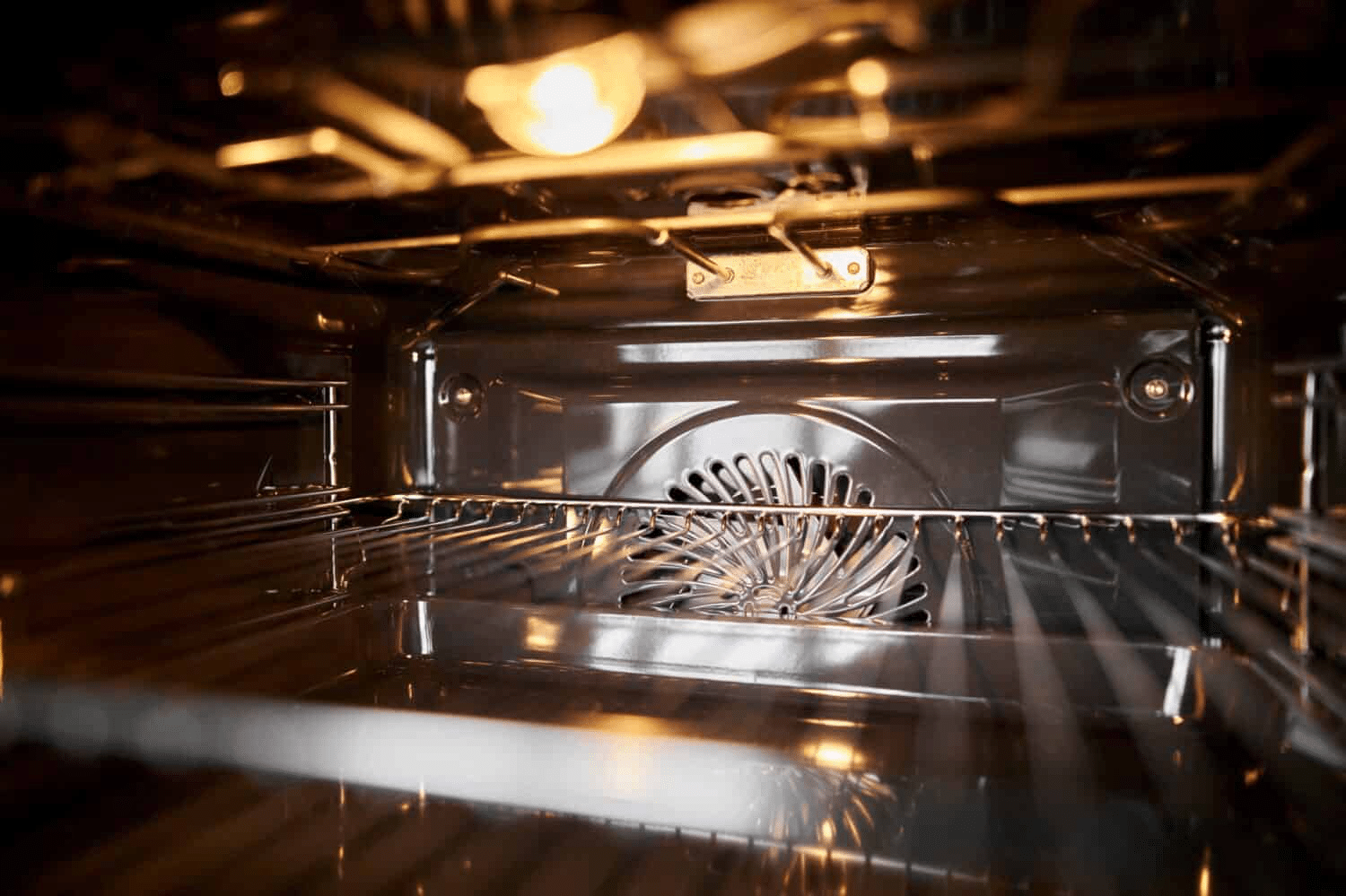
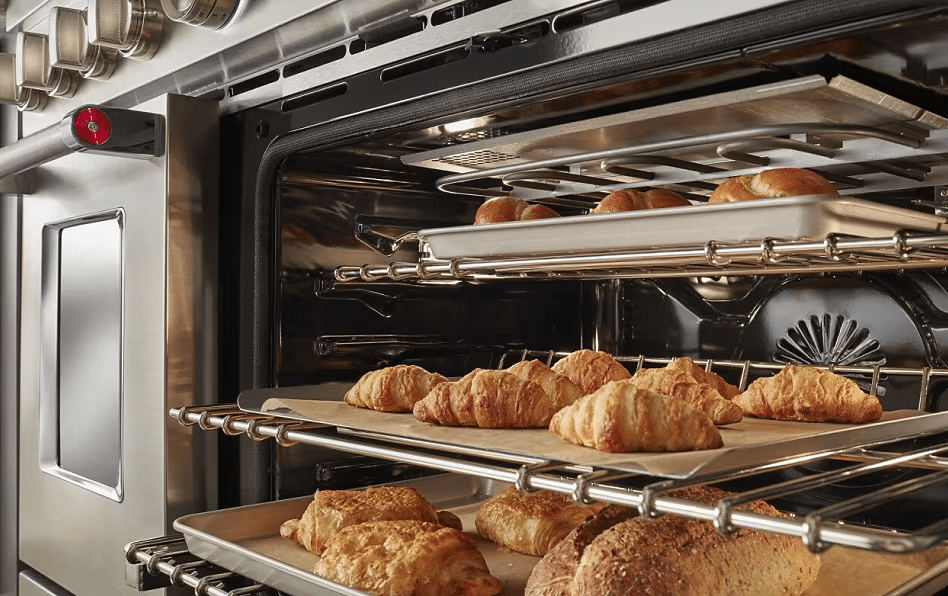
Convection Ovens add a crucial component: a fan and exhaust system. The fan circulates hot air continuously around the food, eliminating hot spots and creating a consistent temperature throughout the cavity. Many convection ovens also include a third heating element near the fan, boosting efficiency.
Key Differences at a Glance
| Feature | Conventional Oven | Convection Oven |
|---|---|---|
| Heat Distribution | Uneven (hotter at top) | Even throughout |
| Cooking Speed | Slower | Faster (approx. 25% faster) |
| Energy Efficiency | Lower | Higher (shorter cook times) |
| Best For | Baking delicate items, slow roasting | Multi-rack baking, roasting, crisping |
The Case for Conventional Ovens
Conventional ovens have been the backbone of kitchens for decades and for good reason.
Pros:
- Forgiving for baking: Cakes, soufflés, quick breads, and other delicate items that rely on rising can fare better without the blowing air disturbing their structure.
- No adjustment needed: Recipes are typically written for conventional ovens, so you can follow them without conversion.
- Lower upfront cost: They are generally less expensive to purchase.
Cons:
- Inconsistent results: Without air circulation, you may get uneven browning or baking.
- Longer preheat and cook times.
- Less energy-efficient over time.
Ideal for: Bakeries, pastry shops, or kitchens specializing in custards, cakes, and artisan breads where gentle, steady heat is key.
The Case for Convection Ovens
Once mainly found in professional kitchens, convection ovens are now a popular choice for serious cooks and foodservice operations.
Pros:
- Faster cooking times
- Superior browning and crisping on meats, roasted vegetables, and baked goods like cookies and pastries.
- Capacity efficiency: You can use multiple racks at once without rotating trays.
Cons:
- Can dry out foods if not monitored, due to the constant air movement.
- Recipe adjustment required: You’ll need to reduce temperature or time.
- Higher initial cost.
- Fan noise may be noticeable in quieter settings.
Ideal for: High-volume kitchens, pizza shops, rotisseries, and menus heavy on roasting, dehydrating, or multi-rack baking.
Which One Should You Choose?
Choose a Conventional Oven if:
- Your menu centers on delicate baking (soufflés, custards, layer cakes).
- You prefer simplicity and use recipes as written.
- Your budget is tight upfront.
Choose a Convection Oven if:
- You cook a lot of meats, roasted vegetables, or batch-baked items.
- Speed, volume, and consistency are priorities.
- Energy efficiency matters to you
Pro Tip: The Best of Both Worlds
Can’t decide? Many modern ovens now come with a convection-convertible or dual-mode option. These ovens can operate in either mode, giving you flexibility based on what you’re cooking. If your budget allows, this hybrid approach offers maximum versatility.
Check out our Current Inventory to Explore our wide variety of Ovens: https://restaurantequipment.bid/current-auctions/
Related posts