How to Evaluate Pre-Owned Kitchen Equipment Before Buying
How to Evaluate Pre-Owned Kitchen Equipment Before Buying
Buying pre-owned kitchen equipment can be one of the smartest cost-saving strategies for restaurant operators, startup kitchens, and foodservice entrepreneurs. But without proper inspection and evaluation, what seems like a great deal can quickly become an expensive mistake. Before you place a bid or make a purchase, it’s essential to know exactly what you’re getting,…

How to Evaluate Pre-Owned Kitchen Equipment Before Buying
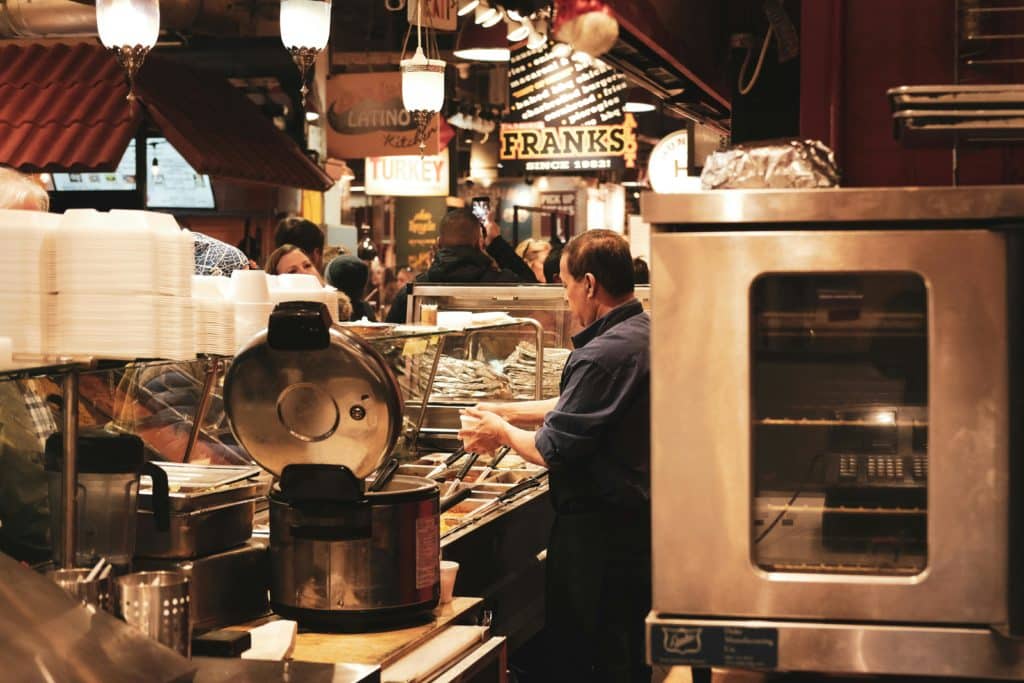
Buying pre-owned kitchen equipment can be one of the smartest cost-saving strategies for restaurant operators, startup kitchens, and foodservice entrepreneurs. But without proper inspection and evaluation, what seems like a great deal can quickly become an expensive mistake. Before you place a bid or make a purchase, it’s essential to know exactly what you’re getting, how it will perform, and whether it fits your kitchen’s needs.
This guide will walk you through everything you need to evaluate pre-owned kitchen gear confidently and wisely — from visual checks and functionality tests to certifications, fit, and seller credibility.
Why Evaluate Before You Buy
Used equipment often comes at a significant discount compared to new units, allowing you to stretch your budget further. But that discount shouldn’t blind you to underlying issues. Thorough evaluation helps you:
- Avoid costly repairs
- Ensure long-term reliability
- Protect your kitchen operations
- Maximize return on investment (ROI)
Equipment that looks good superficially might hide internal problems or compatibility issues with your kitchen’s infrastructure. Rigorous evaluation helps you steer clear of those pitfalls. Link
Start With a Visual Inspection
The first step in evaluating any used commercial kitchen item is a close visual inspection. Don’t just glance at it — look closely:
- Check for dents, cracks, rust, or excessive wear on stainless steel surfaces
- Inspect handles, knobs, hinges, and wheels for functionality
- Look inside ovens, cabinets, and refrigeration units for cleanliness and hidden damage
A well-maintained unit usually shows consistent wear rather than localized heavy use. Signs of neglect, especially rust or corrosion on structural parts, can signal deeper issues that may compromise performance.
Test Functionality — Don’t Skip This Step
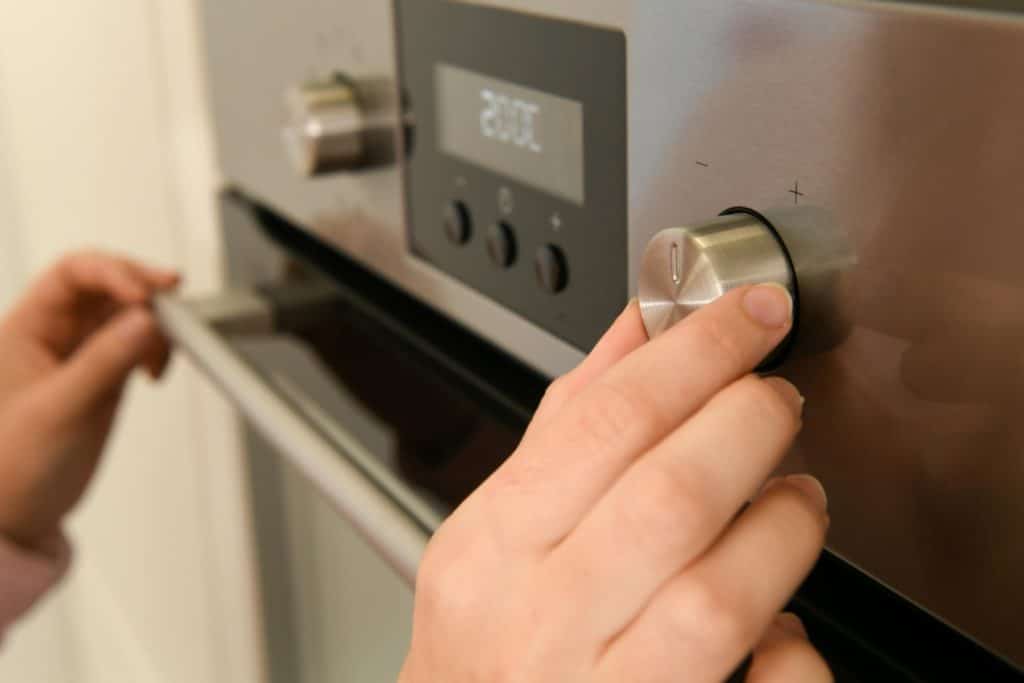
A visual inspection is important — but testing the equipment in operation is even more critical. Plug in electrical units, start up cooking appliances, and make sure everything works as expected.
Here are key things to check during function tests:
- Heating performance: Does the oven or fryer reach and maintain temperature?
- Cooling consistency: Refrigerators and freezers should chill evenly and stay within proper safe temperature ranges.
- Movement and controls: Mixers, slicers, and food prep stations should operate smoothly without grinding or unusual noises.
- Seals and gaskets: Ensure that doors and seals close tightly, especially on refrigeration units.
If you’re not confident testing these yourself, bring a technician or trusted chef along to help assess the equipment. Link
Ask About Maintenance History and Age
Much like buying a used car, knowing the service history of kitchen equipment is extremely valuable. Ask the seller:
- When was the equipment manufactured?
- Has it been regularly serviced?
- What kinds of repairs has it needed in the past?
Documentation such as receipts or maintenance logs can give you confidence. Older equipment with frequent repairs or no service history is a red flag — even if it looks okay on the outside. Link
Check for Certifications & Compliance
Commercial kitchen equipment must meet strict health and safety standards. Before purchasing, verify any certifications like:
- NSF (National Sanitation Foundation) — indicates sanitation and safety compliance
- UL or ETL for electrical safety
Some jurisdictions require specific certifications for foodservice operations. Equipment without proper certification might fail health inspections once installed, leading to fines or shutdowns. Link
Measure for Fit and Compatibility
Even if a piece works perfectly, it won’t help your kitchen if it doesn’t fit — literally. Before buying:
- Measure your available space
- Confirm doorways and elevator access for delivery
- Check power and gas specifications (voltage, phase, gas type)
- Make sure ventilation requirements are met
Having these measurements in advance prevents surprises like equipment that won’t fit through a doorway or isn’t compatible with your kitchen’s infrastructure. Link
Evaluate Seller Credibility

Purchase from a reputable seller or reseller with transparent policies and a track record of satisfied customers. Avoid deals that seem too good to be true from unknown sources, especially private sellers who don’t offer any guarantees or documentation.
Trusted sellers are more likely to provide:
- Accurate equipment descriptions
- Photographs from multiple angles
- Warranty or return options
- Post-sale support
If you’re browsing options online, platforms like RestaurantEquipment.Bid provide listings with detailed specs and auction history so you can make informed decisions before you bid. Explore listings directly on RestaurantEquipment.Bid to compare inventory and pricing.
Factor in Total Cost of Ownership
Used equipment may save money upfront, but consider the total cost of ownership:
- Installation expenses
- Maintenance and repair costs
- Potential energy inefficiency
- Parts availability
Older units or those without ENERGY STAR® ratings might be less efficient and cost more over time. It’s wise to compare expected utility and repair costs against the upfront savings. Link
Internal Resources To Help You Evaluate Better
If you’re planning the purchase as part of broader restaurant operations, check out these helpful internal guides:
- *** — insights into sourcing equipment through auctions
- *** — a practical step-by-step evaluation checklist
Final Thoughts
Evaluating pre-owned kitchen equipment is both an art and a science. With thorough visual inspections, performance testing, documentation review, and compatibility checks, you can confidently buy used gear that serves you well for years. The goal isn’t just to save money — it’s to make an investment that supports your kitchen’s performance, efficiency, and long-term success.
Whether you’re outfitting a new restaurant or upgrading your kitchen on a budget, careful evaluation will ensure you get the right equipment at the right price.
Related posts