Auction Arbitrage: Why Savvy Restaurateurs Buy “Back-Up” Gear Before They Need It
Auction Arbitrage: Why Savvy Restaurateurs Buy “Back-Up” Gear Before They Need It
In the restaurant world, the most expensive piece of equipment isn’t the one you just bought—it’s the one that just broke. When a primary reach-in cooler fails on a Friday night or a fryer goes dark during the lunch rush, the costs begin to spiral instantly. Between emergency repair fees, lost inventory, and the literal…
Auction Arbitrage: Why Savvy Restaurateurs Buy “Back-Up” Gear Before They Need It
In the restaurant world, the most expensive piece of equipment isn’t the one you just bought—it’s the one that just broke.
When a primary reach-in cooler fails on a Friday night or a fryer goes dark during the lunch rush, the costs begin to spiral instantly. Between emergency repair fees, lost inventory, and the literal cost of downtime (which can reach $5,000 per day for some operators), a single equipment failure can wipe out a month’s profit.
This is where Auction Arbitrage comes in. Smart operators are no longer waiting for a crisis to go shopping. Instead, they are using auctions to build a “Safety Inventory” of back-up units for pennies on the dollar.
The Math of Emergency Avoidance
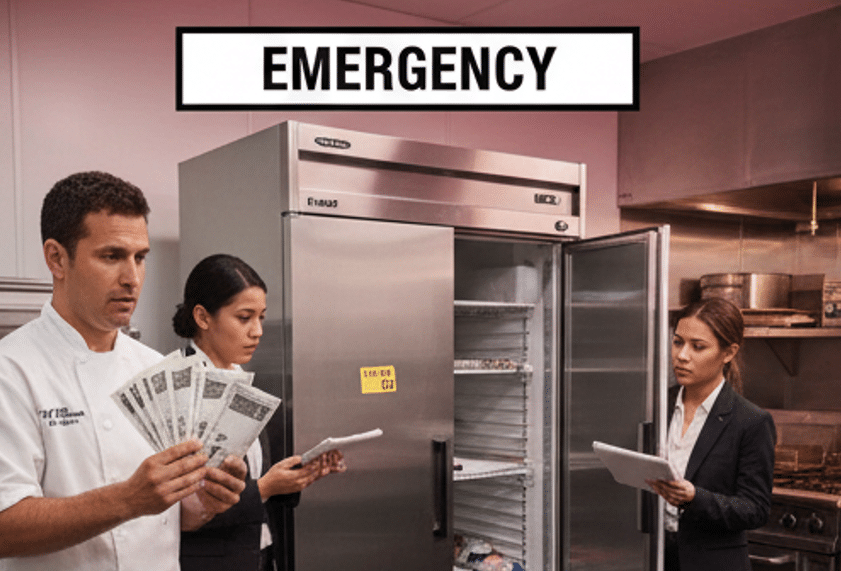
Typically, when a critical machine fails, owners have two choices: pay a 3x “emergency rate” for a same-day technician or rent a replacement unit. According to Nisbets’ analysis on buying vs. leasing, while renting seems cheaper upfront, it creates a long-term drain on cash flow.
Compare those costs to an auction strategy:
- Emergency Rental: $200–$500 per week + delivery.
- Emergency Repair: $150+/hour + marked-up parts.
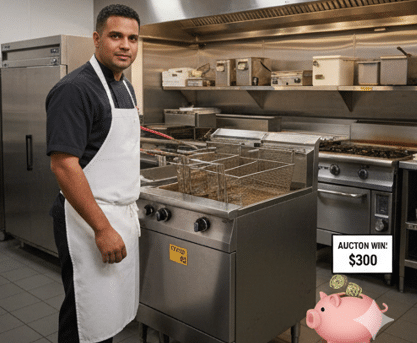
- Auction Arbitrage: Buying a high-quality, pre-owned back-up fryer for $300 and keeping it in storage.
By winning a “Plan B” unit at a liquidation auction, you aren’t just buying gear; you’re buying insurance. If your primary unit fails, your team can swap in the back-up in thirty minutes, keeping the menu full and the customers happy while you schedule a non-emergency repair at standard rates.
Which Items are Best for Arbitrage?
You don’t need a back-up for everything. Focus on “Single Point of Failure” items—machines that, if they stop, the kitchen stops.
- Countertop Fryers & Griddles: These are small, easy to store, and frequently appear in recent auctions.
- Standard Reach-in Refrigeration: A 1-section cooler is the ultimate “lifeboat” for expensive proteins if your walk-in struggles.
- Prep Tables: Often sold at deep discounts during large-scale shakeouts, having an extra stainless prep surface can save a shift if a built-in unit’s compressor dies.
How to Execute the Strategy
To make auction arbitrage work, you need to be a “Brand Snob.” As noted in Lightspeed’s guide to auction saving, you should target reputable brands like Hobart, True, or Vulcan. These “workhorse” brands are easier to find parts for and hold their “back-up value” much longer than budget imports.
Before you bid, always check:
- The Footprint: Ensure your back-up unit can actually fit in the same footprint as your primary gear.
- Power Requirements: Does your back-up require the same 220v outlet as the original?
- Storage Environment: Keep your back-up gear in a dry, clean area. A back-up that’s rusted out is no back-up at all.
The Bottom Line
In 2026, restaurant success is about resilience. Using auctions to source back-up equipment is the ultimate “arbitrage”—you are trading a small amount of storage space and a minimal auction bid for the peace of mind that a broken motor won’t break your business.
Related posts