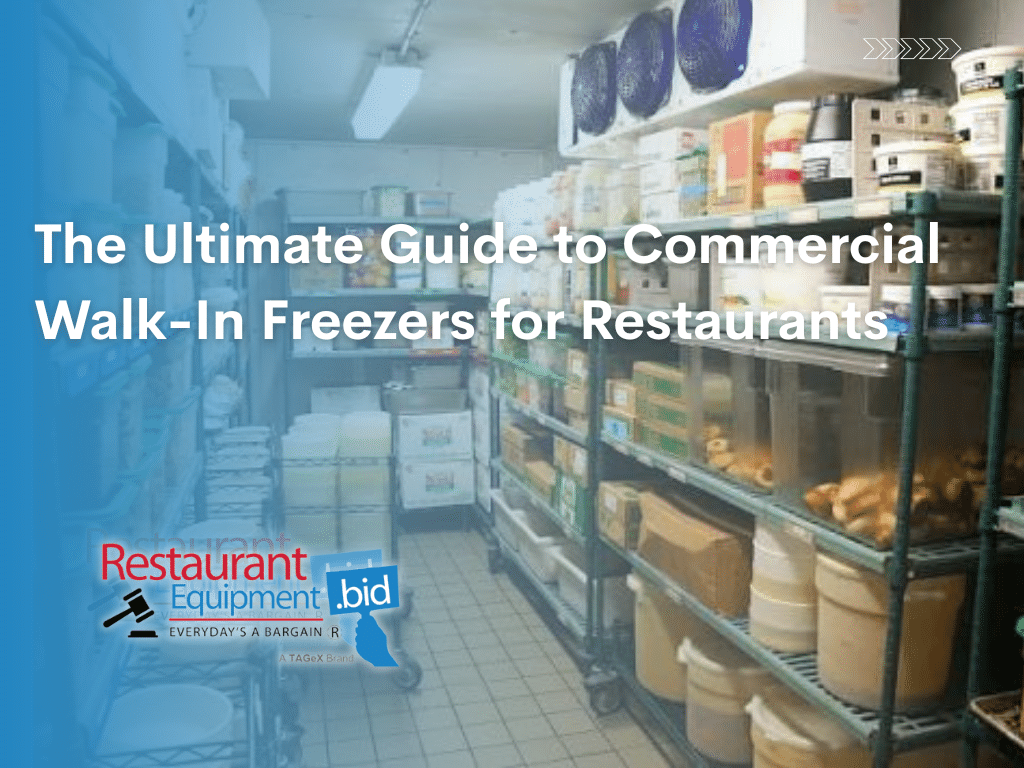
The Ultimate Guide to Commercial Walk-In Freezers for Restaurants
The Ultimate Guide to Commercial Walk-In Freezers for Restaurants
Choosing the right walk-in freezer is one of the most significant capital investments for any foodservice operation. A correctly sized and specified unit preserves thousands of dollars in inventory, while the wrong one can lead to food waste, high energy bills, and service nightmares. This guide covers the essential factors for selecting commercial walk-in freezers…
The Ultimate Guide to Commercial Walk-In Freezers for Restaurants
Choosing the right walk-in freezer is one of the most significant capital investments for any foodservice operation. A correctly sized and specified unit preserves thousands of dollars in inventory, while the wrong one can lead to food waste, high energy bills, and service nightmares. This guide covers the essential factors for selecting commercial walk-in freezers for restaurants, from understanding critical specifications to comparing new vs. used options, helping you make a smart purchase that supports your bottom line. Making a common mistake like underestimating your space needs can cost you dearly in the long run.
What to Look for in a Walk-in Freezer: Key Specs and Features
Before you start browsing, you need to understand the technical details that differentiate one walk-in from another. These specifications directly impact performance, energy consumption, and longevity.
- Dimensions and Capacity: Walk-ins are typically specified by their external dimensions, such as 6’x6′, 8’x8′, or 8’x10′. A standard 8-foot height is common. Consider not just your current inventory but also future growth. A good rule of thumb is to allow for about 28-30 pounds of food per cubic foot of usable space. Remember to account for shelving and aisle space inside.
- Refrigeration System: This is the heart of your freezer. You’ll choose between a self-contained unit, where the condenser and evaporator are integrated into one housing (often mounted on the top or side), or a remote system, where the noisy, heat-producing condenser is located outside or on the roof. Remote systems are quieter and reduce heat load in the kitchen but have a more complex and expensive installation.
- Insulation and Panel Thickness: Freezer panels are typically filled with foamed-in-place polyurethane insulation. For freezers, a minimum of 4-inch thick panels is standard, providing an R-value of R-32 or higher. Thicker 5-inch panels offer better insulation (R-40+), reducing energy costs over time, especially in hotter climates.
- Flooring: Walk-ins can be ordered with or without an integrated floor. Floorless models are installed directly on a concrete slab, which must be insulated to prevent freezing and heaving. Models with floors have insulated panels that lock into the walls, ensuring a complete thermal envelope. Most health codes require floors with coved corners for easier cleaning.
- Certifications: Look for key certifications. NSF (National Sanitation Foundation) certification means the unit meets public health standards for food safety. UL (Underwriters Laboratories) certification indicates it meets electrical safety standards. An ENERGY STAR rating signifies higher energy efficiency, which can save you hundreds of dollars per year.
- Electrical Requirements: Verify the voltage and phase requirements. Most commercial walk-ins require 208-230V power and can be either single-phase or three-phase. Ensure your restaurant’s electrical service can support the unit you choose to avoid costly electrical upgrades.
Types of Walk-In Freezers: Which One Is Right for Your Restaurant?
Walk-in freezers generally fall into a few primary categories based on their construction and refrigeration system placement. Choosing the right type depends on your kitchen layout, budget, and operational needs.
Self-Contained Walk-In Freezers
Also known as packaged systems, these units have the entire refrigeration system—condenser, evaporator, and compressor—housed in a single unit. This unit is typically mounted through a hole in the ceiling or wall panel.
Pros: Easier and cheaper to install, as no refrigeration lines need to be run. Ideal for renters or locations where rooftop/exterior condenser placement is not possible.
Cons: The condenser releases heat and noise directly into the surrounding area, which can increase kitchen temperatures and HVAC costs. They are generally available for smaller walk-ins only.
Remote System Walk-In Freezers
These are the most common type in full-service restaurants. The evaporator coil is inside the walk-in box, while the condenser and compressor are located remotely—outside the building, on the roof, or in a basement. The components are connected by refrigerant lines.
Pros: Removes heat and noise from the kitchen, leading to a more comfortable working environment and lower air conditioning load. Allows for larger, more powerful refrigeration systems.
Cons: Significantly more expensive and complex installation requiring a certified refrigeration technician. The remote condenser is exposed to the elements, which may require additional maintenance.
Indoor vs. Outdoor Walk-Ins
Walk-ins are also designed specifically for indoor or outdoor placement. Outdoor units come with a membrane roof, weather-resistant coating, and often a reinforced structure to withstand wind, rain, and snow. They are a great solution for kitchens with limited interior space. Indoor units are more common and are designed to be protected from the elements within the building’s footprint.
New vs. Used Commercial Walk-In Freezers for Restaurants: Making the Right Call
A brand-new walk-in freezer is a major expense. Buying quality used equipment can be a savvy financial move, often saving you 40-70% compared to new. However, you need to know what to look for.
When considering a used walk-in, inspect it carefully:
- Panels and Seals: Check all panels for dents, dings, or corrosion that could compromise the insulation. Ensure all gaskets and door seals are intact and pliable, with no cracks or gaps. A poor seal leads to massive energy loss.
- Refrigeration Deck: Look at the condenser coils for damage or heavy dirt buildup. Check the compressor for signs of oil leaks. Ask about the age of the unit and its service history if available.
- Refrigerant Type: Modern units use environmentally friendly refrigerants like R290 (propane) or R448A. Older units may use R-22 or R-404A, which are being phased out and are becoming very expensive to service. Avoid units with obsolete refrigerants.
Platforms like RestaurantEquipment.Bid offer a wide selection of restaurant equipment from closures and liquidations. While items are sold “as is, where is,” they often come from working environments, providing an opportunity to acquire high-end brands at a steep discount.
How Much Does a Walk-In Freezer Cost? Pricing Guide for 2026
Prices vary widely based on size, brand, and features. Here are some realistic price ranges to help you budget:
- New Walk-In Freezers:
– 6′ x 6′ unit: $8,000 – $12,000+
– 8′ x 8′ unit: $10,000 – $15,000+
– 8′ x 10′ unit: $12,000 – $20,000+
*Note: These prices are for the equipment only and do not include professional installation, which can add several thousand dollars.* - Used Walk-In Freezers (Auction/Liquidator):
– 6′ x 6′ unit: $2,500 – $5,000
– 8′ x 8′ unit: $3,500 – $6,500
– 8′ x 10′ unit: $4,000 – $8,000+
*Auction pricing, especially with no-reserve bids starting at $1 like on RestaurantEquipment.Bid, can result in even lower prices depending on demand.*
Best Brands for Walk-In Freezers: What Professionals Rely On
Investing in a reputable brand often means better build quality, reliability, and easier access to parts and service. Here are some of the most trusted names in the industry:
- Kolpak: A leader in the market, known for high-quality construction and innovative features. They are considered a top-tier brand.
- Nor-Lake: Another industry giant, offering a huge range of walk-ins from standard sizes to fully custom configurations. Known for reliability and durability.
- Bally: A long-standing brand famous for its patented panel locking systems and structural integrity. They are a workhorse in many commercial kitchens.
- Master-Bilt: Part of the Standex Food Service Equipment Group, they produce dependable and efficient refrigeration systems, including a wide variety of walk-ins.
- Amerikooler: Known for producing high-quality, quick-ship walk-ins with excellent insulation values and durable construction.
Where to Buy Walk-In Freezers for Your Restaurant
You have several channels for purchasing a walk-in freezer, each with its own pros and cons.
- New Equipment Dealers: Offer the latest models, full warranties, and often installation services. This is the most expensive route.
- Restaurant Supply Stores: May carry some standard-sized new units and can order others. Pricing is competitive but still reflects new equipment costs.
- Liquidators: Specialize in selling used equipment from closed restaurants. You can find good deals, but inventory is unpredictable.
- Online Auctions: Platforms like RestaurantEquipment.Bid provide access to a nationwide inventory of equipment from restaurant closures. For savvy operators who can manage logistics, this is often the most cost-effective way to acquire high-quality equipment. You can browse current listings on RestaurantEquipment.Bid and find units from top brands at a fraction of their original cost.
Final Checklist Before You Buy
Before you place a bid or sign a purchase order, run through this final checklist:
- Have I measured my space accurately, including doorways, hallways, and ceiling height for installation?
- Does my restaurant’s electrical system match the voltage and phase requirements of the unit?
- Have I confirmed if I need a unit with or without a floor?
- If buying used, have I inspected the panels, door seals, and refrigeration unit carefully?
- What is the refrigerant type, and is it modern and serviceable?
- Who will handle the disassembly (if used), transportation, and reassembly/installation of the unit?
- Have I budgeted for the cost of a certified refrigeration technician for installation?
- Does the walk-in have the necessary NSF and UL certifications?
- Will I be able to easily find replacement parts and service for this brand in my area?
A commercial walk-in freezer is a cornerstone of your kitchen’s back-of-house. By doing your homework on specs, brands, and purchasing options, you can invest confidently in a unit that will serve your restaurant reliably for years. To get the best value on professional-grade equipment, explore the walk-in freezers currently up for auction. The savings can free up significant capital for other areas of your business. Take a moment to register to bid and start finding the equipment you need at a price you can afford.
Related posts