Finding the Best Commercial Ranges for Restaurants: A Complete Guide
Finding the Best Commercial Ranges for Restaurants: A Complete Guide
The commercial range is the undisputed workhorse of any professional kitchen. It’s where your menu comes to life, from searing steaks to simmering delicate sauces. But with countless configurations, power sources, and features, choosing the right one can feel overwhelming. This guide cuts through the noise. We’ll break down the critical factors—power, cooktop style, and…
Finding the Best Commercial Ranges for Restaurants: A Complete Guide
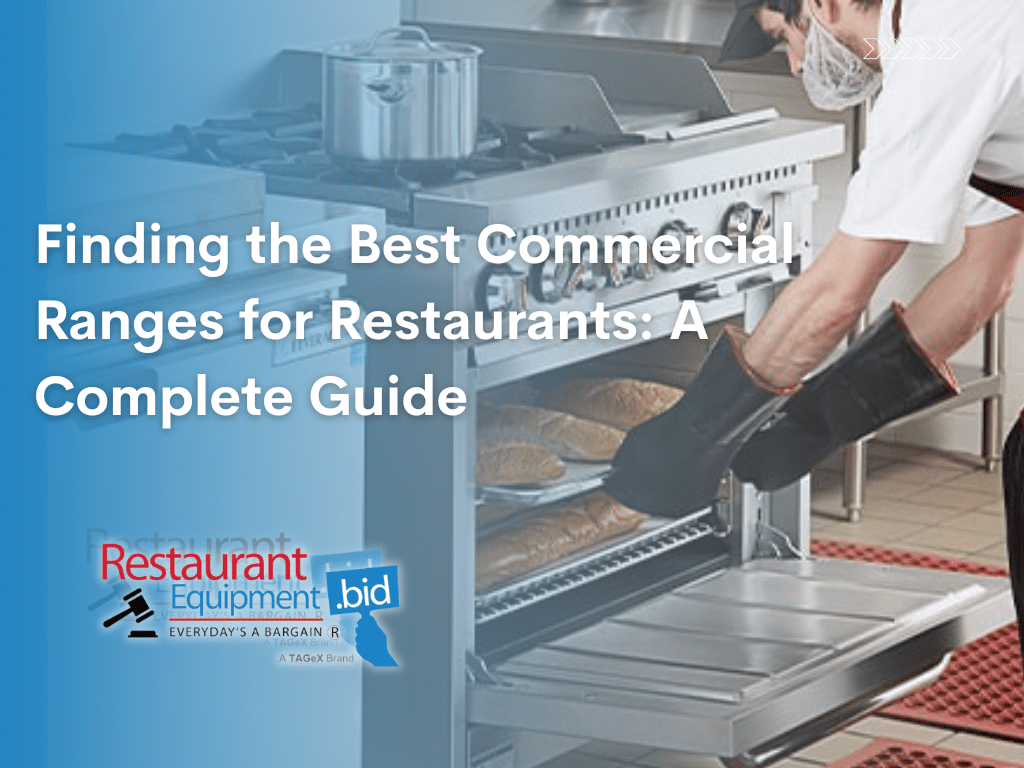
The commercial range is the undisputed workhorse of any professional kitchen. It’s where your menu comes to life, from searing steaks to simmering delicate sauces. But with countless configurations, power sources, and features, choosing the right one can feel overwhelming. This guide cuts through the noise. We’ll break down the critical factors—power, cooktop style, and base configuration—to help you identify the best commercial ranges for your restaurant’s specific needs, ensuring you invest in a piece of equipment that enhances your workflow and profitability.
Gas vs. Electric vs. Induction: Choosing Your Power Source
The first and most fundamental decision is how your range will be powered. This choice impacts everything from cooking performance and utility costs to kitchen comfort and installation requirements. Each type has distinct advantages and is suited for different applications.
Gas Ranges: The Industry Standard
For most chefs, the instant, responsive heat of a gas flame is non-negotiable. Gas ranges offer precise, visual control over temperature, allowing for quick adjustments on the fly. They are the go-to for high-volume sautéing, pan-searing, and wok cooking.
- Pros: Instantaneous heat up and cool down, precise temperature control, lower operating costs in many areas, continues to function during a power outage (with pilot lights or manual ignition).
- Cons: Requires a natural gas or propane line, produces significant ambient heat in the kitchen, open flames can be a safety concern, and cleaning can be more intensive.
Electric Ranges: Consistent and Clean
Electric ranges provide incredibly consistent and even heat, especially in the oven cavity. This makes them a favorite for bakeries and operations that require precise baking and roasting temperatures. The smooth cooktops of many models are also significantly easier to clean than their gas counterparts.
- Pros: Even, dry heat ideal for baking, simpler installation (no gas lines), easier to clean (especially flat-top models), often a lower upfront purchase price.
- Cons: Slower to heat up and cool down than gas, can lead to higher utility bills, will not operate during a power outage.
Induction Ranges: Efficient and Modern
Induction technology uses magnetic fields to heat the cookware directly, leaving the cooktop surface relatively cool. This method is astonishingly fast and energy-efficient, transferring over 80% of its energy to the pan. It offers the responsiveness of gas with the easy cleanup of a smooth-top electric range.
- Pros: Fastest cooking method, extremely energy-efficient, coolest and safest cooktop, precise digital control, very easy to clean.
- Cons: Highest initial cost, requires magnetic-compatible cookware (cast iron, stainless steel), glass-ceramic surface can be prone to scratching or cracking.
Decoding Cooktop Configurations and Burner Types
Once you’ve settled on a power source, the next step is choosing a cooktop configuration that matches your menu. The type of burners and surfaces you select will dictate your kitchen’s workflow.
Open Burners
The most common type on gas ranges, open burners provide direct flame-to-pan contact for maximum heat transfer. They typically come in two styles: round (standard) and star-shaped (which offers a more even heat pattern across the bottom of the pan). They are powerful and efficient but require more effort to clean spills and debris.
Sealed Burners / Hot Tops
On sealed burner ranges, the burner is covered by the cooktop, preventing food and liquids from falling into the chassis. While slightly less powerful than open burners, the ease of cleanup is a major advantage in busy kitchens. Hot tops are heavy-duty cast-iron plates that offer a large, consistent heating surface.
French Tops and Griddles
A French top is a solid piece of steel with a powerful burner underneath, creating graduated heat zones. The center is intensely hot, while the outer edges are cooler, perfect for holding multiple pots at different temperatures simultaneously. Built-in griddles offer a dedicated flat-top space for cooking breakfast items, burgers, and sandwiches, saving valuable space.
Sizing and Base Options: More Than Just Burners
Finding the best commercial ranges for restaurants goes beyond the cooktop. The size and the functionality of the base beneath are just as important for maximizing your kitchen’s efficiency and floor space.
How Many Burners Do You Need?
Consider your peak service. How many pans are on the fire at once? A small café might thrive with a 4-burner range, but a bustling dinner service will likely require a 6-burner, 8-burner, or even a 10-burner model. It’s always better to have slightly more capacity than you need than to be bottlenecked during a rush.
Choosing the Right Range Base
The space under your cooktop is valuable real estate. You can configure it to fit your exact needs:
- Standard Oven: The most common configuration, ideal for all-purpose roasting and baking.
- Convection Oven: A fan circulates hot air, resulting in faster, more even cooking. This is a highly recommended upgrade for almost any operation, from bakeries to high-volume restaurants.
- Cabinet Base: If you have ample oven capacity elsewhere (like with deck or combi ovens), a simple cabinet base provides convenient storage for pots, pans, and tools right where you need them.
- Refrigerated/Freezer Base: Also known as chef bases, these units combine your cooktop with undercounter refrigeration, keeping key ingredients chilled and within arm’s reach.
New vs. Used: Maximizing Your Equipment Budget
A brand-new, top-of-the-line commercial range can cost anywhere from $5,000 to over $25,000. While a new unit comes with a warranty and the latest features, the immediate depreciation is significant. For many operators, particularly new restaurants or those looking to expand on a tight budget, high-quality used equipment presents a much smarter financial path.
Commercial ranges from trusted brands like Vulcan, Wolf, Southbend, and Garland are built to withstand years of intense use. This durability makes them excellent candidates for the secondary market. You can often find these proven workhorses for 50-75% less than their new counterparts. Online platforms that specialize in used restaurant equipment offer a wide selection sourced from restaurant closures and liquidations across the country. These marketplaces allow you to acquire premium brands at a fraction of the cost, freeing up capital for other essential areas of your business.
What to Inspect on a Used Commercial Range
When buying used, especially from an “as is, where is” auction, a thorough inspection is key. If you can see the unit in person or get detailed photos, focus on these areas:
- Overall Condition: Look for excessive rust, major dents, or cracks in the frame or cooktop surfaces. Check that the legs are sturdy and level.
- Knobs and Controls: Ensure all knobs are present, turn smoothly, and are not cracked or stripped.
- Oven Interior and Doors: Check the oven cavity for heavy corrosion. Open and close the doors to ensure the hinges are strong and the gaskets create a proper seal. A poor seal means lost heat and wasted energy.
- Burners and Grates: Look for any cracks or significant warping in the cast-iron grates and burner heads. These are signs of extremely heavy use or improper care.
The Right Range Powers Your Profitability
Ultimately, the “best” commercial range isn’t a single model—it’s the one that perfectly aligns with your menu, kitchen workflow, space, and budget. By carefully considering your power source, cooktop needs, and base configuration, you can select a unit that will serve as a reliable foundation for your culinary success for years to come. Whether you choose a brand-new model or a pre-owned workhorse, a well-chosen range is an investment in your restaurant’s efficiency and quality.
Ready to see what’s available? Exploring the constantly changing inventory in online restaurant equipment auctions is a great way to find high-quality, brand-name ranges at a fraction of the cost of new. Register for a free account today to browse current listings and place your bids.
Related posts