A Buyer’s Guide to Ultimate Walk-In Coolers for Restaurants in Los Angeles
A Buyer’s Guide to Ultimate Walk-In Coolers for Restaurants in Los Angeles
In the sprawling, hyper-competitive Los Angeles food scene, success is measured in degrees. From food trucks in the Valley to fine dining in Beverly Hills, precise temperature control isn’t a luxury—it’s the foundation of your inventory, safety, and profitability. Choosing the right cold storage is a critical decision, and for most operators, that means investing…
A Buyer’s Guide to Ultimate Walk-In Coolers for Restaurants in Los Angeles
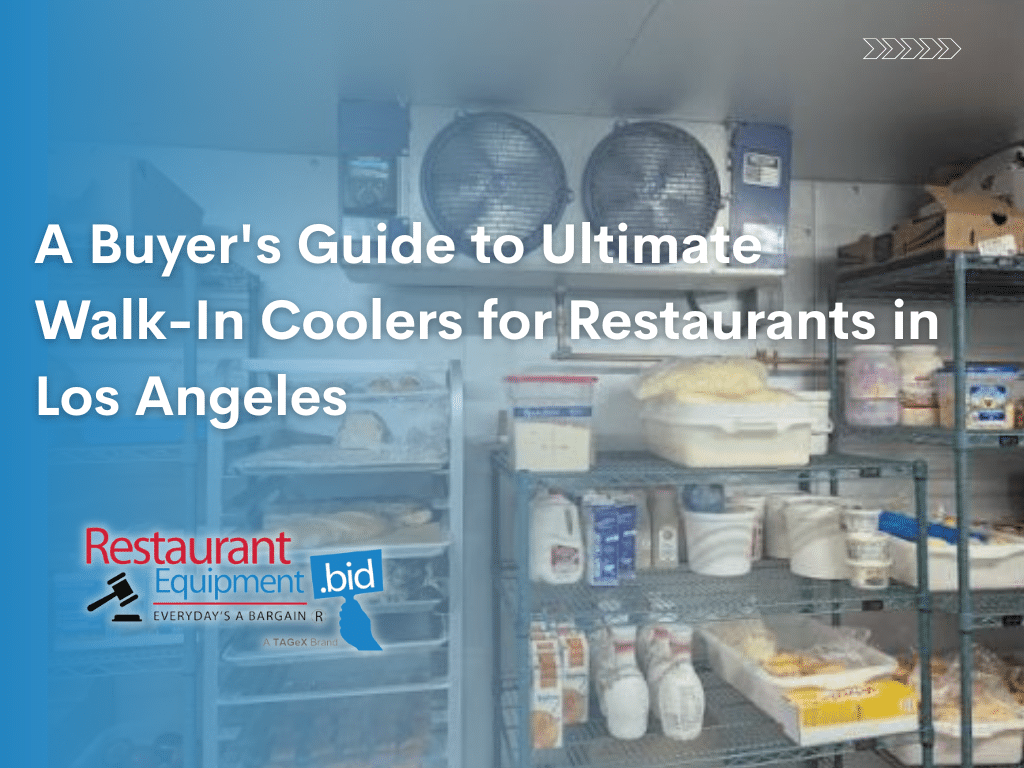
In the sprawling, hyper-competitive Los Angeles food scene, success is measured in degrees. From food trucks in the Valley to fine dining in Beverly Hills, precise temperature control isn’t a luxury—it’s the foundation of your inventory, safety, and profitability. Choosing the right cold storage is a critical decision, and for most operators, that means investing in a walk-in cooler. This guide is specifically for LA restaurateurs, covering everything from navigating local codes to finding the best value on ultimate walk-in coolers for restaurants in Los Angeles. Making a smart choice here will save you thousands, not just on the purchase, but on your Southern California Edison bills for years to come.
Walk-In Cooler Buying Guide for Los Angeles Restaurants: What You Need to Know
Before you start browsing, you need to understand the technical specifications that determine a walk-in’s performance, cost, and suitability for your space. Getting these details right is non-negotiable, especially under the watch of the LA County Department of Public Health.
- Dimensions (L x W x H): Measure your available space with precision. In Los Angeles, this can range from a tight footprint in a historic Downtown LA building to a more expansive space in a suburban strip mall. Account for door swing and at least 6 inches of ventilation clearance around the refrigeration unit.
- Insulation & R-Value: A higher R-value means better insulation. In Southern California’s year-round warm climate, this is not a place to cut corners. Excellent insulation fights against high ambient temperatures, reducing compressor runtime and lowering energy costs. Look for a minimum of R-25 for coolers and R-32 for freezers, typically achieved with 4-inch thick polyurethane foam panels.
- Refrigeration System: This is the engine of your cooler. Remote systems, where the noisy, heat-generating condenser is placed outside or on the roof, are the standard for most LA kitchens. This keeps your kitchen cooler and quieter, a huge plus during summer heatwaves. Key specs include BTU rating (heat removal capacity) and electrical needs (208-230V, single-phase or three-phase).
- Flooring: Walk-ins can come with or without an integrated floor. Floored models are essential if you’re installing on a wood subfloor or uninsulated slab. Floorless models can be installed on an existing, properly insulated concrete slab, common in many LA commercial buildings. Ensure any floor has a non-slip surface.
- Certifications: Non-negotiable in California. Your walk-in must be NSF (National Sanitation Foundation) certified for food safety and UL (Underwriters Laboratories) certified for electrical safety to pass health inspections. An Energy Star rating is highly recommended to combat high utility rates.
Types of Walk-In Coolers for LA Kitchens
Walk-ins aren’t one-size-fits-all. The right choice depends on your building’s layout and your operational needs, which vary widely across Los Angeles County.
Self-Contained vs. Remote Refrigeration Systems
A self-contained system houses the condenser and evaporator together, while a remote system separates them.
- Self-Contained Systems: These are ‘plug-and-play’ units, simpler and cheaper to install. They’re a viable option for smaller cafes, delis, or operations where venting to the outside is impossible. However, they exhaust heat and noise directly into your kitchen, adding to your HVAC load.
- Remote Systems: The professional standard for almost all LA restaurants. By moving the condenser to the roof or an alley, you expel heat and noise from your work environment. This creates a more comfortable kitchen and lowers your air conditioning costs. While the upfront cost is higher, the long-term efficiency and workplace benefits are worth it.
Indoor vs. Outdoor Units
You can place your walk-in inside your building or outside to free up valuable kitchen space.
- Indoor Walk-Ins: The most common choice, protected from the elements. This generally leads to a longer lifespan and slightly better energy efficiency.
- Outdoor Walk-Ins: A fantastic space-saving solution, especially in dense neighborhoods like Koreatown or Santa Monica where every square foot of interior space is gold. These units are built with weatherproof materials like membrane roofing and durable finishes to withstand the LA sun and rare winter rain.
New vs. Used Walk-In Coolers in Los Angeles: Where Smart Operators Shop
A brand-new walk-in cooler is a massive capital expense, easily running into five figures. For savvy LA operators battling high rents and labor costs, buying high-quality used commercial restaurant equipment is a strategic advantage. The constant churn of the Los Angeles restaurant industry means there’s a consistent flow of excellent, late-model equipment hitting the secondary market. Buying a used walk-in at auction can save you 40–70% compared to new, freeing up critical capital.
When inspecting a used walk-in, focus on the panels for damage, ensure the door seals are tight, and check the data plate on the refrigeration unit for its age and manufacturer. Brands like Kolpak, Bally, and Nor-Lake are built to last. While online auction items on platforms like RestaurantEquipment.Bid are sold ‘as is, where is,’ many come directly from recently closed, working restaurants in the LA area, giving you a great starting point for quality.
How Much Do Walk-In Coolers Cost in Los Angeles? 2026 Pricing Guide
Prices for walk-in coolers for restaurants in Los Angeles vary by size, brand, and features. Here’s what you can expect to pay in 2026.
- New Walk-In Coolers: A new 6’x8′ indoor walk-in with a remote system from a local dealer can range from $9,000 to $13,000, plus installation. A larger 8’x12′ unit could easily cost $14,000 to $20,000. Remember to factor in LA’s higher labor costs for installation.
- Used Walk-In Coolers: The savings are substantial. A similar 6’x8′ used walk-in package found at an online auction could sell for $3,000 to $5,500. On RestaurantEquipment.Bid, where all bids start at $1 with no reserve, the final price is set by bidders, often leading to incredible deals. Don’t forget to budget for the 15% buyer’s premium and the costs for professional disassembly and transport.
Installation and Compliance: Walk-In Cooler Requirements in California
Installing a walk-in cooler in Los Angeles involves more than just assembly. You must comply with local and state regulations. California’s Title 24 sets strict energy efficiency standards for building systems, including commercial refrigeration. Furthermore, because this is an earthquake zone, equipment often requires seismic anchoring to meet building codes. You will likely need to pull permits from the Los Angeles Department of Building and Safety (LADBS). Always work with a licensed and insured refrigeration contractor who is familiar with LA-specific requirements to ensure your installation is safe, legal, and efficient.
Final Checklist for Los Angeles Restaurant Operators
Before you place a bid or make a purchase, run through this final checklist to avoid common headaches:
- Have you measured your space and confirmed you have adequate clearance for installation and ventilation?
- Does your building’s electrical service match the voltage and phase of the refrigeration unit?
- Have you confirmed compliance with Los Angeles County Department of Public Health codes?
- If buying used, have you inspected the panel condition, door seals, and refrigeration components?
- Have you budgeted for a licensed LA-area refrigeration technician for installation and charging the system?
- Is your chosen installer familiar with LADBS permitting and seismic anchoring requirements?
- Do you have a plan for disassembly, transport, and reassembly? REB has a facility in Baldwin Park, which can simplify logistics for local pickups.
- Is the unit NSF and UL certified?
- Does the door hinge on the correct side for your kitchen’s workflow?
A walk-in cooler is a long-term investment in your restaurant’s foundation. By doing your homework on LA-specific needs, you can secure a reliable unit that supports your success for years. For the absolute best value, explore the incredible savings available through online restaurant equipment auctions. Browse the current selection of walk-in coolers and other refrigeration on RestaurantEquipment.Bid and register for a free account to start bidding today. Get the professional-grade equipment your LA restaurant deserves at a fraction of the cost.
Related posts