What are the Best Commercial Grills for Restaurants? A Complete Guide
What are the Best Commercial Grills for Restaurants? A Complete Guide
The term “best” is subjective. The best commercial grill for a high-end steakhouse is entirely different from the best one for a bustling breakfast diner or a quick-service cafe. The right question isn’t “What’s the best grill?” but rather “What’s the best grill for my specific menu, volume, and kitchen layout?” This guide breaks down…

What are the Best Commercial Grills for Restaurants? A Complete Guide
The term “best” is subjective. The best commercial grill for a high-end steakhouse is entirely different from the best one for a bustling breakfast diner or a quick-service cafe. The right question isn’t “What’s the best grill?” but rather “What’s the best grill for my specific menu, volume, and kitchen layout?” This guide breaks down the essential factors to help you identify the best commercial grills for restaurants like yours. We’ll move beyond brand names to focus on the core types, power sources, and specifications that truly impact performance and profitability.
Matching the Grill to Your Menu: Charbroilers vs. Griddles
The first and most important decision is choosing the type of grill that matches what you cook. The two primary workhorses in most commercial kitchens are charbroilers and griddles. While they both cook with high heat, their applications are fundamentally different.
Charbroilers: For Authentic Sear Marks and Smoky Flavor
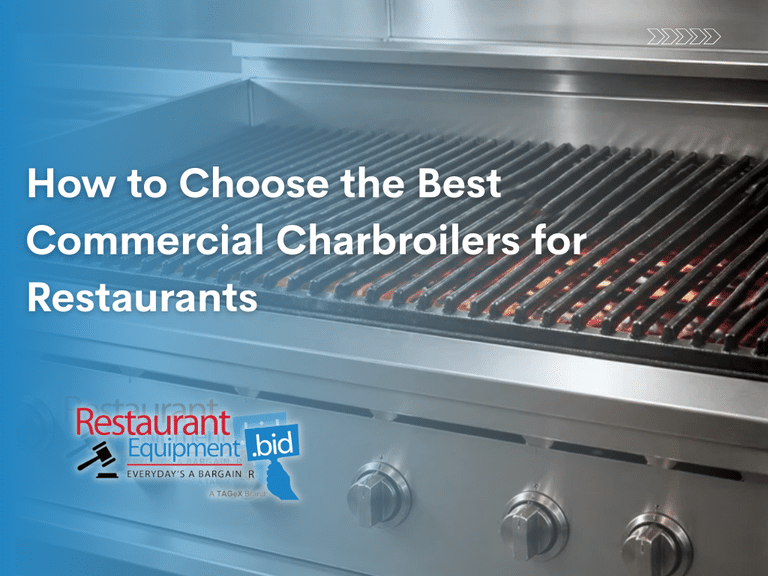
A charbroiler is what most people picture when they think of grilling. It uses a powerful heat source (gas or electric) to heat up a radiant surface or lava rocks, which then cook the food placed on the grates above. This process creates the coveted sear marks and imparts a distinct, smoky flavor that’s impossible to replicate on a flat surface.
- Best For: Steaks, burgers, chicken breasts, kebabs, and hearty vegetables like corn on the cob or sliced zucchini. Any item where a charred flavor and distinct grill marks are part of the appeal.
- Key Consideration: Ventilation is non-negotiable. Charbroilers produce a significant amount of smoke and heat, requiring a robust commercial hood system. They are also prone to flare-ups from dripping fat, which requires attentive cooking.
Griddles (Flat-Tops): The Versatile Kitchen Workhorse
A griddle, or flat-top grill, offers a solid, flat cooking surface that provides even, consistent heat. This makes it incredibly versatile for a wide range of foods that would fall through the grates of a charbroiler or require uniform browning.
- Best For: Breakfast staples (pancakes, eggs, bacon), smash burgers, Philly cheesesteaks, quesadillas, and searing delicate items like scallops or fish fillets.
- Key Consideration: The thickness of the griddle plate is crucial. A thicker plate (3/4-inch to 1-inch) retains heat better, providing faster recovery times during busy services. This means you can load it up with cold product without a significant temperature drop.
Key Technical Specifications That Actually Matter
Once you’ve decided between a charbroiler and a griddle, you need to look at the technical specs. These details separate a budget model from a high-performance machine built for the rigors of a commercial kitchen.
BTU Output and Power
BTU (British Thermal Unit) is a measure of a gas grill’s heat output. While a high BTU number looks impressive, more isn’t always better. An extremely high-BTU grill without good thermal management will just burn food and waste energy. What matters is the combination of power and control. Look for grills with multiple, independently controlled heat zones. This allows you to create high-heat searing zones and lower-heat holding zones on the same unit, increasing its flexibility.
Construction Materials
The materials used in a grill’s construction directly impact its durability and performance. For charbroiler grates, cast iron is a popular choice for its superior heat retention, but it requires diligent maintenance (seasoning) to prevent rust. Stainless steel grates are easier to clean and resist corrosion but don’t hold heat quite as well. For griddle plates, polished steel is the standard. Some premium models feature a chrome-plated surface, which is less porous, easier to clean, and radiates less heat into the kitchen, but it can be damaged by metal utensils.
Gas vs. Electric: Choosing Your Power Source
The debate between gas and electric is as old as the commercial kitchen itself. Both have distinct advantages, and the right choice often depends on your kitchen’s existing infrastructure and your chef’s preference.
Gas Commercial Grills
Gas remains the dominant choice in most professional kitchens. Chefs often prefer the instantaneous response and fine-tuned control of a gas flame. They generally heat up faster and can achieve higher peak temperatures, which is ideal for searing.
- Pros: Rapid heat-up, precise temperature control, high heat output.
- Cons: Requires a natural gas or propane line, can create hot spots, produces more ambient heat in the kitchen.
Electric Commercial Grills
Electric grills have made significant strides in performance and are an excellent choice, especially for kitchens where gas installation is impractical or prohibited. They are known for providing very even, consistent heat across the entire cooking surface.
- Pros: Extremely even heating, no gas lines needed, often more energy-efficient.
- Cons: Slower to heat up and cool down, may require specialized high-voltage electrical hookups.
Sizing and Placement: Planning for Volume and Workflow
A common mistake is buying a grill that is too small for peak service or too large for the available space. A 24-inch grill might be perfect for a small cafe, but a busy burger joint will need a 48-inch or even a 72-inch model to keep up with demand. Measure your available space carefully, accounting not only for the unit’s footprint but also for the mandatory clearance from walls and other equipment as required by fire codes. Also, consider a countertop model versus a floor model with a refrigerated base, which can add valuable cold storage directly at the cook station.
The Smart Investment: Finding Value in Used Equipment
Brand new commercial grills from top-tier brands like Vulcan, Wolf, or Southbend can represent a significant capital expense, often running from $3,000 to over $15,000. While a new unit comes with a warranty, the depreciation is steep. This is why many savvy operators look to the used market. Commercial cooking equipment is built for durability, and a well-maintained used grill can provide years of reliable service for a fraction of the cost. For many operators, the savings from buying used through online auctions far outweigh the risks. You can often find these top-tier brands for a fraction of their new price by browsing current auction listings sourced from restaurant closures and remodels across the country.
Find the Right Grill for Your Kitchen
Ultimately, the best commercial grills for restaurants are those that reliably and efficiently execute your menu. By focusing on the type of grill, the right power source, appropriate size, and smart sourcing, you can find a unit that becomes a profitable cornerstone of your kitchen. Whether you’re buying new or used, a well-chosen grill is an investment in quality and consistency. Ready to see what’s available? The inventory on RestaurantEquipment.Bid changes daily, featuring a wide range of commercial grills and other restaurant equipment from operations nationwide. Explore the listings to find the perfect grill for your business.
Related posts