What Makes the Best Commercial Refrigerators for Restaurants? A Complete Guide
What Makes the Best Commercial Refrigerators for Restaurants? A Complete Guide
Choosing a commercial refrigerator isn’t just about picking a brand or a size; it’s a strategic decision that impacts your kitchen’s workflow, energy bills, and food safety. The ‘best’ unit isn’t the most expensive one—it’s the one that’s perfectly suited to your specific operational needs. This guide moves beyond brand names to explore the critical…
What Makes the Best Commercial Refrigerators for Restaurants? A Complete Guide
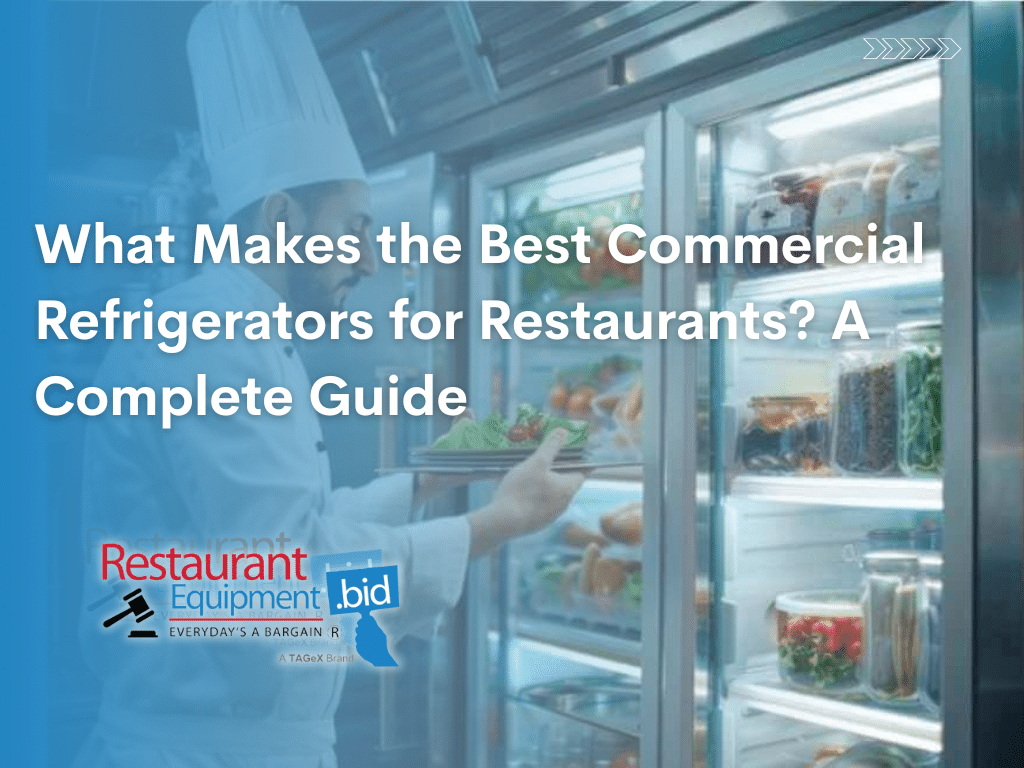
Choosing a commercial refrigerator isn’t just about picking a brand or a size; it’s a strategic decision that impacts your kitchen’s workflow, energy bills, and food safety. The ‘best’ unit isn’t the most expensive one—it’s the one that’s perfectly suited to your specific operational needs. This guide moves beyond brand names to explore the critical factors that truly define the best commercial refrigerators for restaurants, from compressor placement to door configuration, helping you make a smart, long-term investment for your business.
Compressor Location: The Unsung Hero of Kitchen Workflow
One of the most overlooked yet crucial specifications of a commercial refrigerator is the location of its compressor. This single choice affects efficiency, maintenance, and even where the unit can be placed in your kitchen. There are two primary types: top-mounted and bottom-mounted.
Top-Mounted Compressors
A top-mounted compressor sits on top of the refrigeration cabinet. This design offers several distinct advantages, particularly for certain kitchen environments.
- Better in Hot Environments: Heat rises. By placing the compressor on top, it takes in cooler, cleaner air from above the unit, rather than warmer, greasier air from the floor level. This makes it operate more efficiently in hot cook lines.
- Keeps Coils Cleaner: The elevated position helps keep the condenser coils free from dust, flour, and other floor debris that can clog the system and cause it to work harder.
- More Usable Interior Space: With the mechanics on top, the interior floor of the refrigerator is lower, providing easier access to items on the bottom shelf without bending over.
However, they have downsides. Servicing a top-mounted unit can be more difficult, requiring a ladder. Also, the top surface cannot be used for storage, which can be a drawback in space-starved kitchens.
Bottom-Mounted Compressors
As the name implies, these units house the compressor and condenser at the base of the cabinet.
- Easier to Service: All mechanical components are easily accessible at ground level for cleaning and maintenance, reducing service time and cost.
- Ergonomic Loading: The bottom shelf is raised to a more comfortable height, reducing the need for staff to bend down to retrieve heavy items.
- Top Storage Space: The flat top of the unit can be used for storing light, non-heat-sensitive items, maximizing your kitchen’s vertical space.
The main disadvantage is that the compressor pulls in air from the floor, which is often warmer and filled with more dust, grease, and debris. This requires more frequent coil cleaning to maintain efficiency and prevent overheating.
Sizing and Capacity: More Than Just Cubic Feet
While cubic footage is the standard measure of capacity, it doesn’t tell the whole story. The best commercial refrigerators for restaurants are sized not just for volume but for turnover, placement, and accessibility. Before you buy, consider how much product you need to hold at any given time and how quickly it moves. An oversized refrigerator can waste significant energy, while an undersized one leads to over-stocking, poor air circulation, and unsafe food temperatures.
Measure your available space carefully, paying close attention to door swing clearance. A swing door on a reach-in needs several feet of open space in front of it, which can be a major issue in a tight aisle. In such cases, sliding doors or half-doors might be a more practical solution. Also, verify that the unit’s exterior dimensions will fit through your doorways and hallways for delivery and installation.
Door Types: Balancing Access, Efficiency, and Visibility
The type of door on your refrigerator directly impacts energy consumption and staff efficiency. The choice between solid and glass doors is a primary consideration.
Solid vs. Glass Doors
Solid doors are the standard for back-of-house storage. They offer superior insulation, leading to better energy efficiency and lower utility bills. They are also more durable and less prone to damage in a busy kitchen. The downside is obvious: your staff has to open the door to see what’s inside, which can lead to longer open times and energy loss as staff search for ingredients.
Glass doors excel at merchandising and quick inventory checks. They allow chefs and cooks to locate items before opening the door, minimizing the time cold air escapes. This makes them ideal for prep stations or front-of-house applications where products are displayed for customers. However, glass is a poorer insulator than a solid door, so these units will consume more energy to maintain temperature.
Swing, Sliding, and Half-Doors
Beyond the material, consider the door’s mechanics. Standard swing doors offer the widest opening for accessing bulky items. Sliding doors are excellent for tight spaces where a swinging door would block a walkway. Half-doors (or Dutch doors) are a smart energy-saving feature, allowing staff to open only the top or bottom section, which is perfect for high-frequency access to specific items while minimizing cold air loss.
Key Features of the Best Commercial Refrigerators for Restaurants
Beyond the major components, several key features separate a basic cooler from a high-performance piece of kitchen equipment. When evaluating options, look for these indicators of quality, durability, and safety.
- NSF Certification: The NSF (National Sanitation Foundation) mark is non-negotiable for any equipment that comes into contact with food. It certifies that the refrigerator is designed and constructed in a way that promotes food safety, with smooth, easily cleanable surfaces that resist bacterial growth.
- Energy Star Rating: An Energy Star-certified refrigerator can be 20% or more efficient than standard models. While they may have a higher initial cost, the savings on your monthly electricity bill provide a significant return on investment over the unit’s lifespan.
- Casters (Wheels): Units equipped with casters are far easier to move for regular cleaning underneath and behind the refrigerator, a critical task for pest control and sanitation. Make sure at least two of the casters are locking to keep the unit securely in place during use.
- Digital Thermostats: Precise temperature control is essential for food safety. Digital thermostats provide an accurate, easy-to-read display and allow for more precise temperature adjustments than older analog dials. Many also include high/low temperature alarms to alert you if the unit goes out of a safe range.
New vs. Used: Finding Value Without Sacrificing Quality
A brand-new commercial refrigerator from a top manufacturer can be a major capital expense. For new restaurants or those operating on a tighter budget, high-quality used equipment can offer incredible value. Units sourced from restaurant closures or remodels are often well-maintained and have years of reliable service left in them. The key is to source them from a reputable seller.
Online auctions are an excellent way to find high-quality used restaurant equipment from trusted brands like True, Traulsen, and Turbo Air without the new-equipment price tag. You can often acquire a premium unit for a fraction of its original cost. When buying used, understand the terms, such as “as is, where is,” and factor in the logistics of pickup and transportation. This approach allows you to stretch your budget further and potentially afford a higher-spec model than you could if buying new.
Your Next Step to a Smarter Refrigeration Purchase
The best commercial refrigerator for your restaurant is the one that seamlessly integrates into your unique operational needs, supporting food safety and efficiency without breaking your budget. By focusing on practical features like compressor location, correct sizing, and door configuration, you can make a choice that will serve your business well for years to come.
Ready to see what’s available? You can find a wide variety of commercial refrigerators from leading brands in our regularly updated online equipment auctions. Bidding starts at just $1, offering a powerful way to upgrade your kitchen. It’s free to register and browse, giving you access to hundreds of items from restaurant liquidations across the country.
Related posts