A Restaurant Owner’s Guide to Buying Hot Holding Equipment in Los Angeles
A Restaurant Owner’s Guide to Buying Hot Holding Equipment in Los Angeles
In the sprawling, competitive Los Angeles restaurant scene—from the bustling food trucks of the Arts District to the upscale dining rooms of Beverly Hills—consistency is king. A crucial, yet often overlooked, component of that consistency is your kitchen’s ability to keep food at the perfect temperature. The right hot holding equipment in Los Angeles not…
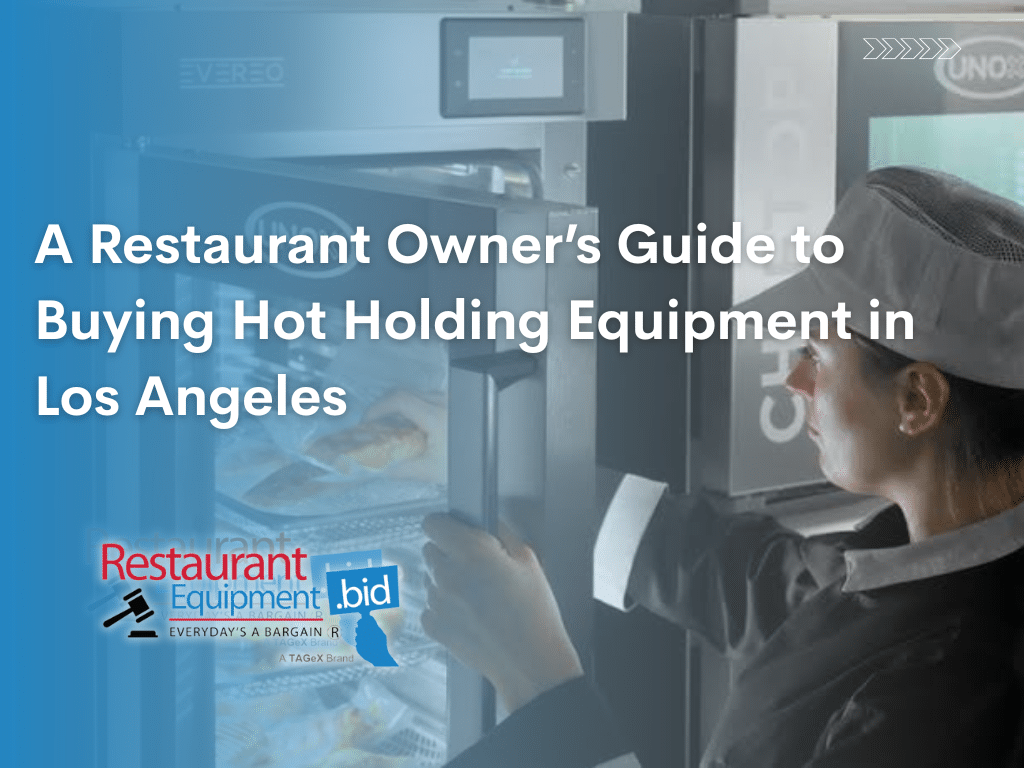
A Restaurant Owner’s Guide to Buying Hot Holding Equipment in Los Angeles
In the sprawling, competitive Los Angeles restaurant scene—from the bustling food trucks of the Arts District to the upscale dining rooms of Beverly Hills—consistency is king. A crucial, yet often overlooked, component of that consistency is your kitchen’s ability to keep food at the perfect temperature. The right hot holding equipment in Los Angeles not only ensures you meet LA County health codes but also maintains the quality and flavor of your dishes, preventing waste and protecting your hard-earned reputation. This guide is specifically for LA operators looking to make a smart investment in holding equipment that can handle the heat of a busy service.
Hot Holding Equipment Buying Guide for Los Angeles Restaurants: What You Need to Know
Before you start browsing, you need to understand the key specs that will dictate performance in the unique LA environment. Matching these features to your concept and volume is critical for a successful purchase.
- Temperature and Humidity Control: This is paramount for food safety and quality. The Los Angeles County Department of Public Health requires hot foods to be held at 135°F or higher. Look for units with precise digital thermostatic controls. Humidity control is equally vital; units with settings for ‘moist’ heat (for pastas, sauces) and ‘crisp’ heat (for fried chicken, fries) will preserve the texture of your diverse menu items.
- Capacity and Footprint: Real estate is precious in LA kitchens. Measure your available space meticulously—including vertical clearance and doorway widths—before you buy. Capacity is typically measured in the number of full-size (12”x20”) sheet pans a unit can hold. A countertop unit might suffice for a small cafe in Silver Lake, while a high-volume restaurant on the Westside will need a full-height cabinet.
- Power Source & Energy Efficiency: With some of the highest utility rates in the country, energy efficiency is a major consideration for California businesses. Most holding units are electric. Always verify the voltage (120V, 208V) and phase requirements match your kitchen’s setup, which a qualified electrician in LA can confirm. An Energy Star rating can lead to significant long-term savings on your SoCal Edison or LADWP bill.
- Construction and Insulation: Look for durable stainless steel construction to withstand the rigors of a commercial kitchen. High-quality insulation and tight-sealing door gaskets are essential for maintaining temperature and maximizing energy efficiency, especially during hot Southern California summers.
- Certifications: To pass your health inspection, non-negotiable certifications include an NSF (National Sanitation Foundation) mark for sanitation and a UL (Underwriters Laboratories) or ETL mark for electrical safety.
Types of Hot Holding Equipment for Los Angeles Kitchens
The type of equipment you need depends entirely on your restaurant’s concept and workflow. Here’s how different models fit into the LA dining landscape.
Proofing and Holding Cabinets
These large, mobile cabinets are the workhorses for LA’s thriving catering businesses, banquet halls, and large-scale bakeries. Their dual-functionality—proofing dough at low, humid temperatures and holding cooked food for service—offers incredible versatility for operations that handle large volumes.
Drawer Warmers
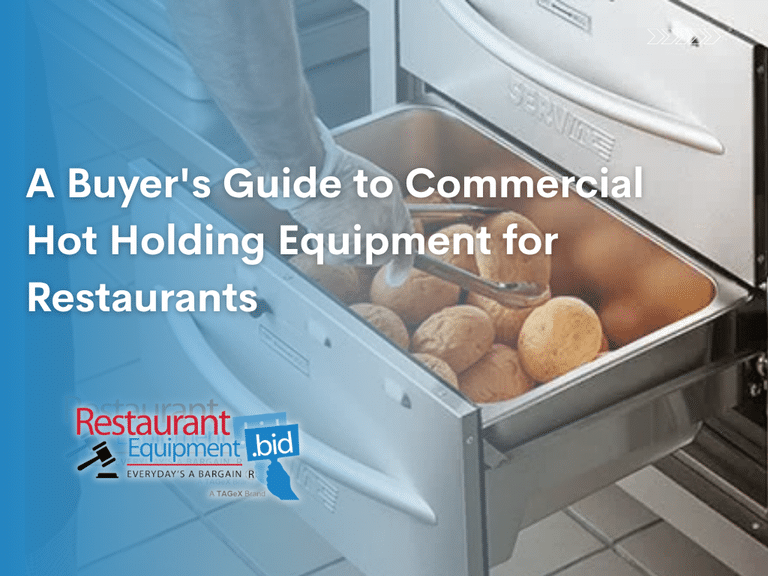
Perfect for the fast-paced line in a downtown bistro or a popular East LA taco spot, drawer warmers keep essential components like tortillas, buns, and pre-cooked proteins hot and ready right at the prep station. Each drawer typically has individual controls, allowing for precise holding of different items.
Countertop Warmers and Food Wells
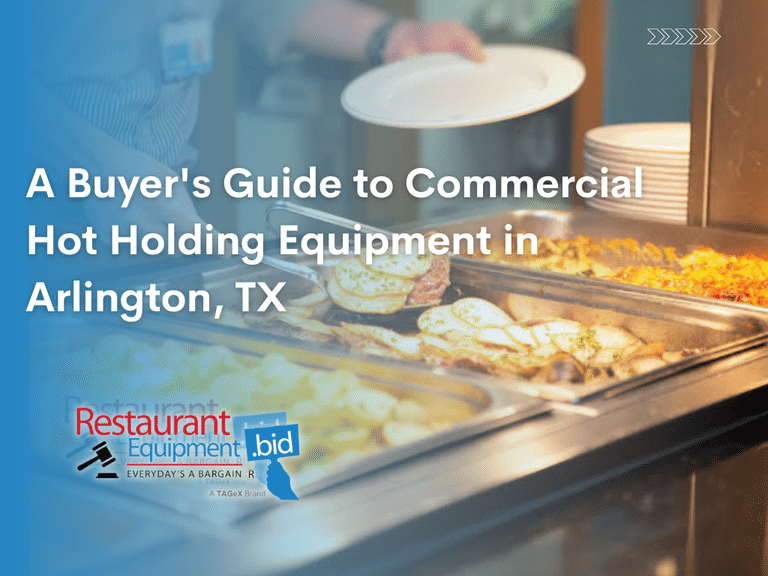
Essential for buffets, food trucks, and cafeterias across Los Angeles. This category includes everything from steam tables (bain-maries) that hold multiple pans of food to small countertop display warmers. They offer flexibility for various service styles, from a self-serve line at a corporate cafeteria to a pop-up event.
Heated Merchandisers and Display Cases
In a city focused on presentation, these front-of-house units are key. Ideal for grab-and-go concepts, pizzerias, and cafes, they use interior lighting and glass doors to attractively display items like rotisserie chickens, empanadas, or hot sandwiches while keeping them at a safe, delicious temperature.
New vs. Used Equipment in Los Angeles: Where Smart Operators Shop
While new equipment has its appeal, the high churn rate of the LA restaurant industry creates a massive secondary market. Buying quality used restaurant equipment can save you 40–70% off the price of new, freeing up capital for other critical expenses. When looking at used hot holding equipment in Los Angeles, focus on durability and function.
Platforms that host online restaurant auctions are a prime source for these deals. Since holding cabinets and warmers have fewer moving parts than a range or fryer, they are excellent candidates for buying used. You can often find top-tier brands like Alto-Shaam or Hatco for the price of a budget new model. With a TAGeX Brands operations center located right in Baldwin Park, local pickup is often a convenient option for LA-area buyers.
How Much Does Hot Holding Equipment Cost in Los Angeles? 2026 Pricing Guide
Prices in the Los Angeles market vary by brand, size, and condition. Here are some realistic ranges to help you budget:
- Countertop Warmers: New units cost between $500 and $2,000. On the used market, you can find them at auction for $100 to $600.
- Drawer Warmers (2-3 Drawers): Expect to pay $2,000 to $5,000 for a new model. Used, they typically sell for $400 to $1,500.
- Full-Height Holding Cabinets: A new insulated cabinet from a premium brand can run from $3,000 to over $10,000. At auction, these frequently sell for $600 to $2,500, offering incredible savings.
On platforms like RestaurantEquipment.Bid, all bids start at $1.00 with no reserves. Remember to factor in the 15% buyer’s premium and your pickup or shipping costs when planning your budget.
Installation and Compliance: Requirements in California
In California, all commercial cooking equipment must meet strict standards. While many holding units are simple plug-in models, it’s crucial to ensure they are NSF and UL/ETL certified to satisfy the LA County Department of Public Health. For larger, more powerful units, you may need a dedicated electrical circuit installed by a licensed commercial electrician. Always consult with your local authorities and a professional to ensure your installation is fully compliant with city and state codes, including any relevant Title 24 energy standards.
Final Checklist for Los Angeles Restaurant Operators
Before you place that winning bid or make a purchase, run through this final checklist:
- Have you measured your kitchen space, doorways, and delivery path?
- Have you confirmed your electrical setup (voltage, phase) matches the unit’s requirements?
- Does the unit’s pan capacity meet your needs during your busiest service?
- Is the unit NSF and UL/ETL certified for compliance with LA County health codes?
- If buying used, have you visually inspected the door gaskets, hinges, and controls?
- Have you researched the availability of service technicians for that brand in your part of LA?
- Does your all-in budget account for the purchase price, buyer’s premium, and transportation?
- Will the unit hold your specific menu items (moist vs. crisp) at the proper quality?
Choosing the right commercial hot holding equipment is a foundational investment in your LA restaurant’s success. By prioritizing quality, compliance, and value, you can equip your kitchen for efficiency and consistency. Ready to find a great deal? Browse the latest hot holding equipment auctions and see how much you can save on professional-grade equipment for your kitchen. Register to bid for free today and start equipping your restaurant for less.
Related posts