The Ultimate Guide to Buying Commercial Fryers for Restaurants
The Ultimate Guide to Buying Commercial Fryers for Restaurants
Choosing the right commercial fryer is a critical decision that directly impacts your menu’s quality, kitchen workflow, and profitability. A reliable fryer can be a cash cow, but the wrong one can be a constant headache. This guide breaks down everything you need to know about selecting the best commercial fryers for restaurants, whether you’re…
The Ultimate Guide to Buying Commercial Fryers for Restaurants
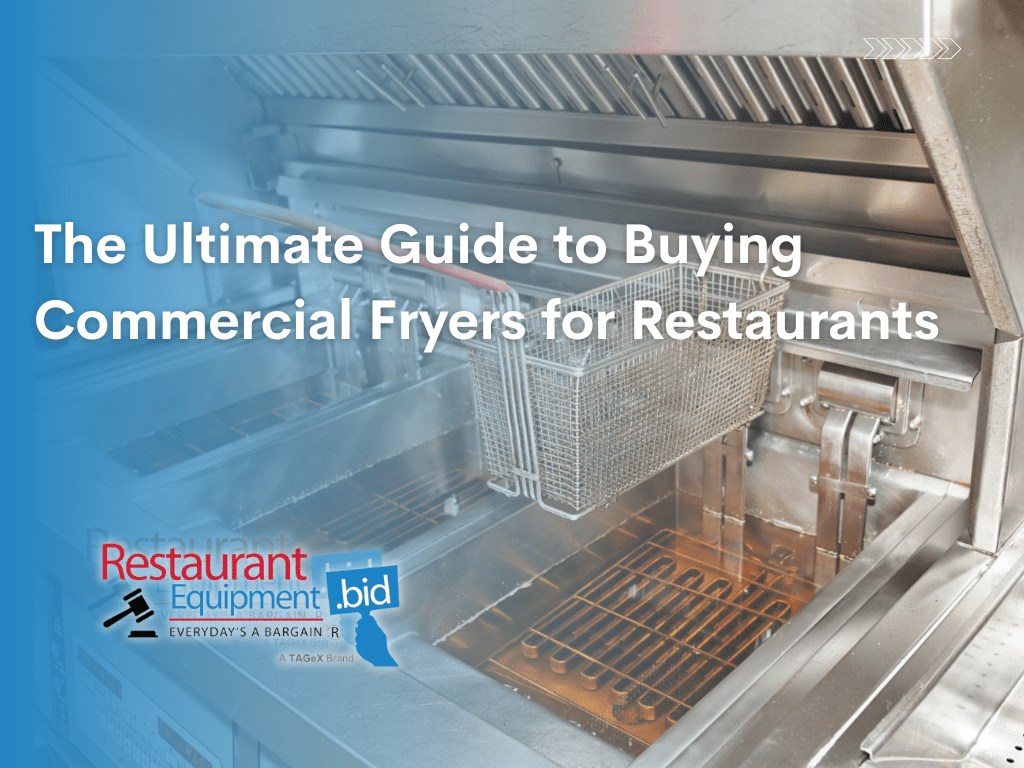
Choosing the right commercial fryer is a critical decision that directly impacts your menu’s quality, kitchen workflow, and profitability. A reliable fryer can be a cash cow, but the wrong one can be a constant headache. This guide breaks down everything you need to know about selecting the best commercial fryers for restaurants, whether you’re buying new or looking for significant savings on used equipment. We’ll cover key specifications, types, brands, and how to find the right unit for your budget.
What to Look for in Commercial Fryers: Key Specs and Features
Before you start browsing, get familiar with the technical specifications that determine a fryer’s performance. Matching these specs to your menu and volume is the key to a smart purchase.
- Fry Pot Capacity: Measured in pounds of oil, this determines how much food you can cook at once. A standard 15-inch fryer typically holds 40-50 lbs of oil, suitable for most restaurants. High-volume operations might need larger 75 lb+ vats.
- Heat Source & Power: Your kitchen’s hookups will dictate this choice. Gas fryers are measured in BTUs (British Thermal Units), with standard models ranging from 90,000 to 120,000 BTUs. Higher BTUs mean faster temperature recovery. Electric fryers are measured in kilowatts (kW) and require specific voltage (e.g., 208V or 240V) and phase (single-phase or three-phase). Always verify your electrical setup before buying.
- Heating Method: There are two primary styles. Tube-type fryers have tubes running through the oil, creating a “cold zone” at the bottom where sediment collects without burning. This makes them ideal for high-sediment foods like breaded chicken or fish. Open-pot fryers have an open vat with external heating elements, making them easier to clean and perfect for low-sediment items like french fries and onion rings.
- Filtration System: Regular oil filtration is non-negotiable for food quality and cost control. Fryers can have built-in, automated filtration systems, which are expensive but save significant labor and oil. More common are portable filter machines or manual filtering setups. When buying used, a unit with a well-maintained built-in filter is a huge value-add.
- Dimensions: Measure your space carefully. Note the fryer’s width, depth, and height. Most importantly, ensure it will fit under your existing commercial kitchen hood and ventilation system.
- Certifications: Look for an NSF (National Sanitation Foundation) mark for food safety and a UL (Underwriters Laboratories) listing for electrical and gas safety. An ENERGY STAR certification means the fryer is highly efficient, saving you money on utility bills over its lifespan.
Types of Commercial Fryers: Which One Is Right for Your Restaurant?
Commercial fryers come in several configurations, each designed for different applications and kitchen sizes. Understanding the main types will help you narrow down your search.
Countertop Fryers
These are small, portable electric or gas units perfect for small kitchens, food trucks, or concession stands. They are a great option for adding a limited fried menu without a huge investment. Pros: Lower upfront cost, small footprint, portability. Cons: Limited capacity, slower recovery times, not built for high-volume punishment.
Floor Model Fryers
This is the standard for most commercial kitchens. These are freestanding units with much higher capacity and power than countertop models. They can be purchased as single fryers or in a “battery” of two or more fryers connected together. They are the workhorses of the industry, built for all-day service. Pros: High production capacity, durable construction, faster recovery. Cons: Requires significant floor and hood space, higher initial cost.
Pressure Fryers
A specialty fryer that cooks food, typically chicken, under pressure. This method seals in moisture for a juicier product and cooks faster than open frying. They are a significant investment and require specific training to operate safely. Henny Penny is the brand most associated with this category. Pros: Extremely fast cooking, produces a very moist product. Cons: High cost, complex operation, more maintenance.
Ribbon vs. Flat-Bottom Fryers
These are specialty open-pot fryers. Flat-bottom fryers are used for delicate, free-floating items like tempura or donuts that cannot be cooked in baskets. Ribbon fryers are a variation used for funnel cakes and other battered items.
New vs. Used Commercial Fryers: Making the Right Call
While a brand-new fryer is appealing, buying quality used equipment can free up thousands of dollars in capital. For a durable piece of equipment like a fryer, buying used is often the smartest financial move.
A used fryer from a reputable brand can offer 80% of the lifespan for 30-60% of the cost. The key is knowing what to look for. When inspecting a used fryer, check the fry pot thoroughly for any cracks, pitting, or weld repairs, as this is the most expensive component to replace. Test the thermostat’s accuracy and ensure all safety pilots and high-limit switches are functional. For significant savings, you can find a wide variety of used restaurant equipment from leading brands at online auctions.
Focus on well-known brands like Pitco, Frymaster, and Vulcan, as parts and service are readily available. Avoid extremely old models with obsolete controls or fryers with significant rust on the cabinet or frame, as this can indicate deeper structural issues.
How Much Do Commercial Fryers Cost? Pricing Guide for 2026
Prices for commercial fryers vary widely based on size, type, brand, and features like built-in filtration. Here’s a general breakdown of what to expect in 2026:
- New Countertop Fryers: $500 – $2,500
- New Floor Model Fryers (40-50 lb): $1,800 – $6,000. Models with high-efficiency burners, digital controls, and built-in filtration systems will be at the top end of this range.
- New Fryer Batteries (2+ fryers): $8,000 – $25,000+
- Used Countertop Fryers: $200 – $800
- Used Floor Model Fryers (40-50 lb): $600 – $2,200. On an auction platform like RestaurantEquipment.Bid, where bids start at $1 with no reserve, final prices can be even lower, representing a massive value.
Best Brands for Commercial Fryers: What Professionals Rely On
Sticking with reputable brands ensures reliability, performance, and access to replacement parts down the road. These brands have earned their place in professional kitchens.
- Pitco: Often considered the industry standard, Pitco’s Frialator fryers are known for their durability and simplicity. They are true workhorses found in kitchens everywhere.
- Frymaster: A leader in innovation, Frymaster is known for high-efficiency fryers and advanced oil-conserving technology. Their fryers often come with a higher price tag but can pay for themselves in oil and energy savings.
- Vulcan: Known for building heavy-duty, reliable cooking equipment, Vulcan fryers are another top choice for operators who need equipment that can withstand a demanding environment.
- Henny Penny: A specialist in the fryer world, Henny Penny is the go-to brand for high-volume open frying systems and pressure fryers, particularly in the fried chicken segment.
- Dean: Part of the same company as Frymaster, Dean offers a line of reliable, performance-oriented fryers that often come at a more accessible price point.
Where to Buy Commercial Fryers for Your Restaurant
You have several options when purchasing equipment. New equipment dealers offer the latest models with full warranties but at the highest prices. Restaurant supply stores offer a mix of new and sometimes used equipment. However, for the best value, savvy operators often turn to online auctions. Platforms like RestaurantEquipment.Bid source equipment from restaurant closures and liquidations nationwide, allowing you to buy professional-grade, brand-name equipment at a fraction of the cost. You can browse current commercial fryer listings and see what’s available near you. Just be sure to factor in the buyer’s premium and your own shipping logistics, as items are sold “as is, where is.”
Final Checklist Before You Buy
Before you place a bid or make a purchase, run through this final checklist to avoid common mistakes:
- Confirm the exterior dimensions will fit in your cook line and under your hood.
- Verify the utility hookups. Is it Natural Gas or LP? What are the voltage and phase requirements for electric models?
- Does the fryer type (tube vs. open-pot) match your primary menu items?
- Is the oil capacity sufficient for your busiest service periods?
- Have you decided on a filtration plan (built-in, portable, or manual)?
- If buying used, have you visually inspected the fry pot, burners/elements, and controls?
- Do you have a plan for delivery and installation? Remember, auction sites don’t arrange shipping.
- Have you budgeted for the final cost, including taxes and any auction buyer’s premiums?
Armed with this information, you’re ready to make a smart investment. A quality commercial fryer is a cornerstone of many successful menus. By choosing wisely, you set your kitchen up for years of profitable service. Start by exploring the inventory at auction to see how much you can save. You can register to bid for free and get access to deals from across the country.
Related posts