The Ultimate Buyer’s Guide to Commercial Griddles for Restaurants
The Ultimate Buyer’s Guide to Commercial Griddles for Restaurants
From sizzling bacon and fluffy pancakes to perfectly seared burgers and cheesesteaks, the commercial griddle is a cornerstone of countless foodservice operations. Choosing the right one is a critical decision that directly impacts your kitchen’s efficiency, consistency, and output. This guide breaks down everything you need to know about selecting the best commercial griddles for…
The Ultimate Buyer’s Guide to Commercial Griddles for Restaurants
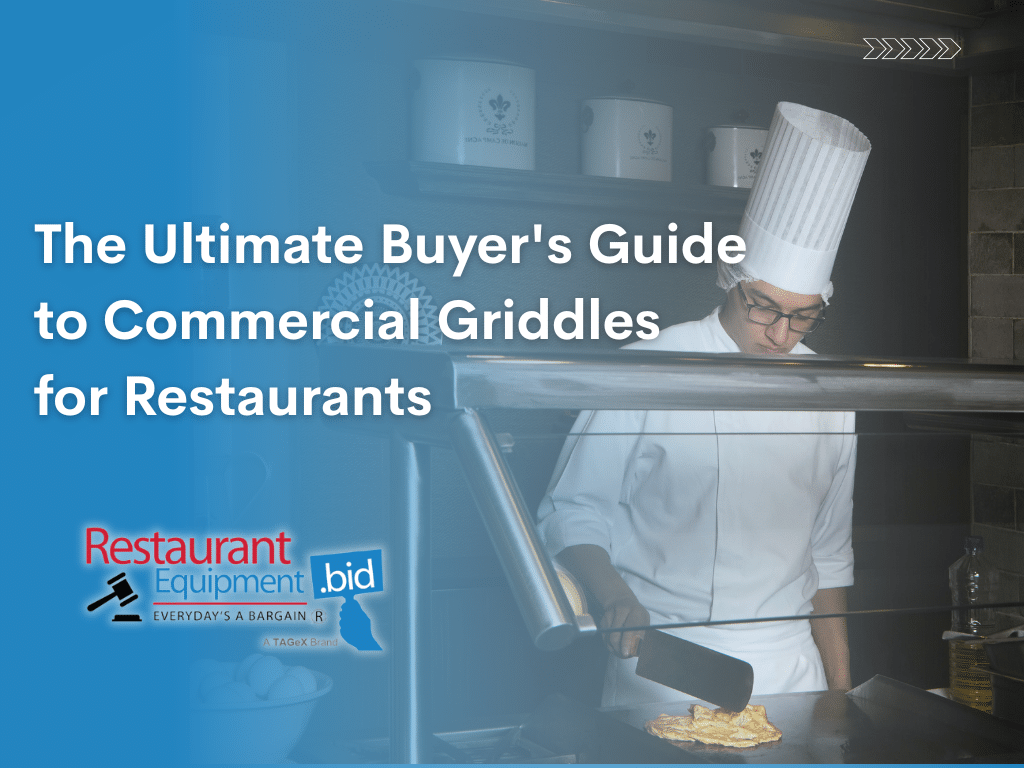
From sizzling bacon and fluffy pancakes to perfectly seared burgers and cheesesteaks, the commercial griddle is a cornerstone of countless foodservice operations. Choosing the right one is a critical decision that directly impacts your kitchen’s efficiency, consistency, and output. This guide breaks down everything you need to know about selecting the best commercial griddles for restaurants, helping you avoid common mistakes and find a unit that delivers value for years, whether you’re buying new or used.
What to Look for in Commercial Griddles for Restaurants: Key Specs and Features
Before you start browsing, you need to understand the technical specifications that separate a high-performance griddle from a kitchen bottleneck. Pay close attention to these key features to match the equipment to your menu and volume.
- Size (Width): Commercial griddles are measured by their width, with common sizes being 24″, 36″, 48″, 60″, and 72″. A small cafe might thrive with a 24″ model, while a high-volume diner cooking breakfast all day will need a 48″ or 72″ unit to keep up with demand. Measure your available hood space carefully before deciding.
- Griddle Plate Thickness: This is one of the most important specs. Plate thickness typically ranges from 1/2″ to 1″.
– Standard (1/2″ – 3/4″): Heats up quickly, ideal for light-duty use or operations that cook items to order without massive rushes.
– Heavy-Duty (1″): Takes longer to preheat but offers superior heat retention and recovery. This is essential for high-volume kitchens that are constantly loading the griddle with cold products, like frozen burger patties. - Plate Material: The surface your food cooks on matters. The two main options are polished steel and chrome.
– Steel: The industry standard. It’s durable, a great heat conductor, and relatively inexpensive. It requires proper seasoning to become non-stick and needs diligent cleaning to prevent food buildup.
– Chrome: A premium option. Chrome-plated griddles offer a non-porous, stick-resistant surface that transfers less heat into the kitchen. They are easier to clean and excellent for presentation cooking, but they require non-metal utensils to avoid scratching the surface. - Heat Source & Power: Your choice between gas and electric will depend on your kitchen’s utility hookups.
– Gas (Natural or Propane): Measured in BTUs (British Thermal Units). A standard 36″ griddle might have 60,000 – 90,000 BTUs. Gas offers rapid heating and precise control.
– Electric: Measured in kilowatts (kW). Electric griddles can provide very even heating but may have slower recovery times than their gas counterparts. Ensure your kitchen has the correct voltage (208V, 240V) and phase (1-phase or 3-phase) available. - Controls: You’ll choose between two main control types.
– Manual Controls: Simple low, medium, and high settings for different zones. They are reliable and less expensive but offer less precision.
– Thermostatic Controls: Allow you to set and maintain a specific temperature (e.g., 350°F). This is crucial for delicate items like eggs and provides superior consistency.
Types of Commercial Griddles: Which One Is Right for Your Restaurant?
Commercial griddles come in several formats, each designed for a specific application and kitchen layout. Understanding the differences is key to optimizing your workflow.
Countertop Griddles
These are the most common type. They are designed to sit on a refrigerated base, a chef base, or a stainless steel work table. Their versatility makes them a fit for almost any operation, from food trucks and concession stands to full-service restaurants.
Freestanding (Floor) Griddles
These are all-in-one units with their own cabinet base or legs. They are built for extreme high-volume cooking and are often found in institutional kitchens, large hotels, and busy diners. The cabinet base provides convenient storage for pots, pans, and supplies.
Drop-In Griddles
Designed to be built directly into a countertop, drop-in griddles offer a seamless, clean look. They are a popular choice for hibachi-style restaurants, display cooking stations, and custom kitchen islands where aesthetics are as important as function.
Clamshell (Two-Sided) Griddles
These high-tech griddles feature a heated top platen that lowers onto the food, cooking it from both sides simultaneously. This dramatically reduces cook times, making them a favorite in quick-service restaurants (QSRs) for items like burgers and breakfast sandwiches.
New vs. Used Griddles: Making the Right Call
While a brand-new griddle has its appeal, buying quality used equipment is one of the smartest financial moves a restaurant operator can make. Griddles are mechanically simple and built to last, making them an excellent candidate for the secondhand market.
The primary benefit is cost savings. Buying a used commercial griddle from a platform like RestaurantEquipment.Bid can save you 40-70% compared to the price of a new unit. This allows you to afford a higher-quality brand or a larger size than your budget might otherwise allow. When inspecting a used griddle, check for a flat, unwarped plate, ensure all control knobs turn smoothly, and look for any signs of significant rust or damage to the burners or elements. Because all equipment on our marketplace is sold “as is, where is,” it’s important to review photos and descriptions carefully.
How Much Does a Commercial Griddle Cost? Pricing Guide for 2026
Prices for commercial griddles vary widely based on size, brand, features, and condition. Here’s a general breakdown of what to expect in 2026:
- New Countertop Griddles: A 24″ entry-level model can start around $1,500, while a heavy-duty 48″ thermostatic model from a premium brand can cost upwards of $6,000.
- New Floor Griddles: A 60″ or 72″ floor model can range from $5,000 to over $12,000, depending on the manufacturer and features.
- Used/Auction Griddles: This is where the value lies. A 36″ Vulcan or Star countertop griddle that costs $4,000 new could sell for between $800 and $1,500 at auction. On RestaurantEquipment.Bid, all bids start at $1 with no reserve, so the final price is determined by demand. Remember to factor in the 15% buyer’s premium and your own shipping arrangements.
Best Brands for Commercial Griddles: What Professionals Rely On
Investing in a reputable brand means better reliability, performance, and availability of replacement parts down the line. Here are some of the top names in the industry:
- Vulcan: A leader in the foodservice industry, known for producing durable, high-performance workhorse griddles.
- Star Manufacturing: A popular choice for countertop equipment, offering a great balance of performance and value.
- Wolf: Now part of the ITW Food Equipment Group, Wolf is a premium brand known for heavy-duty construction and exceptional cooking power.
- Garland: Another top-tier brand that builds robust, reliable griddles designed for the most demanding kitchen environments.
- Southbend: A well-respected manufacturer offering a solid range of mid-tier griddles that are built to last.
Where to Buy Commercial Griddles for Your Restaurant
You have several options when sourcing a commercial griddle. Traditional equipment dealers offer new models with full warranties but at the highest prices. Restaurant supply stores may have some options, but for the best value, savvy operators turn to auctions. Online marketplaces like RestaurantEquipment.Bid provide access to a nationwide inventory of equipment from restaurant closures, remodels, and liquidations. This is how you find top-tier brands at a fraction of their original cost, alongside other essential restaurant equipment needed to outfit your kitchen.
Final Checklist Before You Buy
Before you place a bid or make a purchase, run through this final checklist to ensure you’re making a smart investment:
- Have you measured your kitchen space and hood system to confirm the griddle will fit?
- Have you verified your utility hookups (gas line size/location, electrical voltage/phase)?
- Does the griddle plate thickness (e.g., 1″) match your high-volume needs?
- Are thermostatic controls necessary for the precision your menu requires?
- Is the grease management system (trough, chute, grease pan) adequately sized and easy to clean?
- If buying used, have you closely examined photos for any warping or deep pitting on the plate?
- Have you factored in additional costs like a buyer’s premium and shipping/pickup logistics?
- Do you have the necessary cleaning supplies and utensils (scrapers, bricks, non-metal spatulas for chrome)?
A commercial griddle is a major investment and a daily workhorse. By understanding the key specs, types, and brands, you can choose a unit that will serve your restaurant reliably and profitably. To find incredible value on professional-grade equipment, browse the current griddle listings on our auction platform. Register to bid for free and start equipping your kitchen for less.
Related posts