Why Restaurant Chains Use Auctions to Sell Surplus Equipment
Why Restaurant Chains Use Auctions to Sell Surplus Equipment
Restaurant chains regularly buy, replace, and relocate equipment as part of normal business operations. When stores close, remodel, downsize, or upgrade kitchens, large volumes of surplus restaurant equipment are often left behind. Rather than storing or scrapping these assets, many chains turn to restaurant equipment liquidation auctions to recover value efficiently. Here’s why auctions have…
Why Restaurant Chains Use Auctions to Sell Surplus Equipment
Restaurant chains regularly buy, replace, and relocate equipment as part of normal business operations. When stores close, remodel, downsize, or upgrade kitchens, large volumes of surplus restaurant equipment are often left behind. Rather than storing or scrapping these assets, many chains turn to restaurant equipment liquidation auctions to recover value efficiently.
Here’s why auctions have become the preferred solution for the industry’s biggest players.
1. Speed Matters During Closures and Remodels
When a restaurant location closes or undergoes a remodel, time is critical. Equipment must be removed quickly to avoid storage costs, lease penalties, or project delays. Auctions allow chains to liquidate everything—from ovens and refrigeration to smallwares—on a strictly defined timeline.
Instead of negotiating individual resale deals, auctions consolidate the process into a single event, helping chains clear locations fast and stay on schedule.
2. Auctions Maximize Market Reach
Restaurant chains often operate across multiple regions. Auctions attract buyers nationwide, including restaurant owners, foodservice operators, caterers, and resellers actively searching for discounted inventory.
Platforms like RestaurantEquipment.bid expose surplus assets to a large, qualified buyer base. This nationwide visibility increases competition, helping sellers achieve Fair Market Value even for heavily used equipment. You can view the scale of these operations by browsing our current auction listings.
3. Transparent Pricing and Market Data
Auctions offer a transparent, market-driven pricing model. Instead of guessing resale values or accepting low-ball bulk offers, chains let demand determine the price. Competitive bidding ensures equipment sells at what buyers are truly willing to pay.
This transparency is especially valuable when liquidating hundreds of items across multiple locations, where pricing each asset individually would be inefficient and prone to error.
4. Lower Operational and Storage Costs
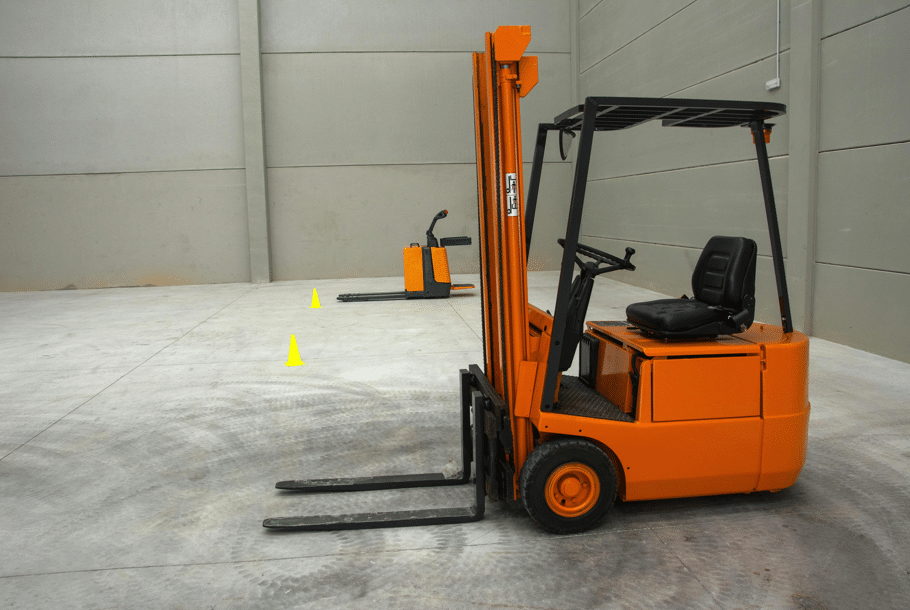
Storing unused commercial kitchen equipment is expensive. Warehousing, transportation, insurance, and labor costs add up quickly. Auctions eliminate long-term storage by moving equipment directly from the site to buyers.
According to industry data from the National Restaurant Association, liquidation through auctions can significantly reduce overhead compared to long-term asset storage or piecemeal resale.
5. Sustainable and Responsible Asset Disposal
Selling surplus equipment through auctions supports sustainability by extending the lifecycle of commercial kitchen assets. Instead of sending usable equipment to landfills, chains help other operators source affordable equipment while reducing environmental impact.
This approach aligns with the broader sustainability goals and waste reduction targets that many modern restaurant brands prioritize today.
Why Buyers Benefit Too
While auctions help sellers recover value, buyers gain access to high-quality equipment at a fraction of the replacement cost. Many auctioned items come from well-known chains with standardized maintenance practices, making them especially attractive to new and expanding operators. For those new to the process, check out our Buying Used Restaurant Equipment Guide to learn how to snag the best deals.
Final Thought
Restaurant chains use auctions because they’re fast, efficient, transparent, and cost-effective. Whether driven by closures, remodels, or growth, restaurant surplus equipment auctions offer a win-win solution—helping sellers recover value while giving buyers access to affordable, professional-grade tools.
Related posts