The Ultimate Guide to Buying Commercial Induction Cooktops for Restaurants
The Ultimate Guide to Buying Commercial Induction Cooktops for Restaurants
Choosing the right cooking equipment is a critical decision for any kitchen’s efficiency and output. This guide provides a comprehensive look at commercial induction cooktops for restaurants, a technology that offers unparalleled speed, energy efficiency, and safety. Many operators overspend on new equipment or mistakenly purchase residential-grade units that can’t handle the demands of a…
The Ultimate Guide to Buying Commercial Induction Cooktops for Restaurants
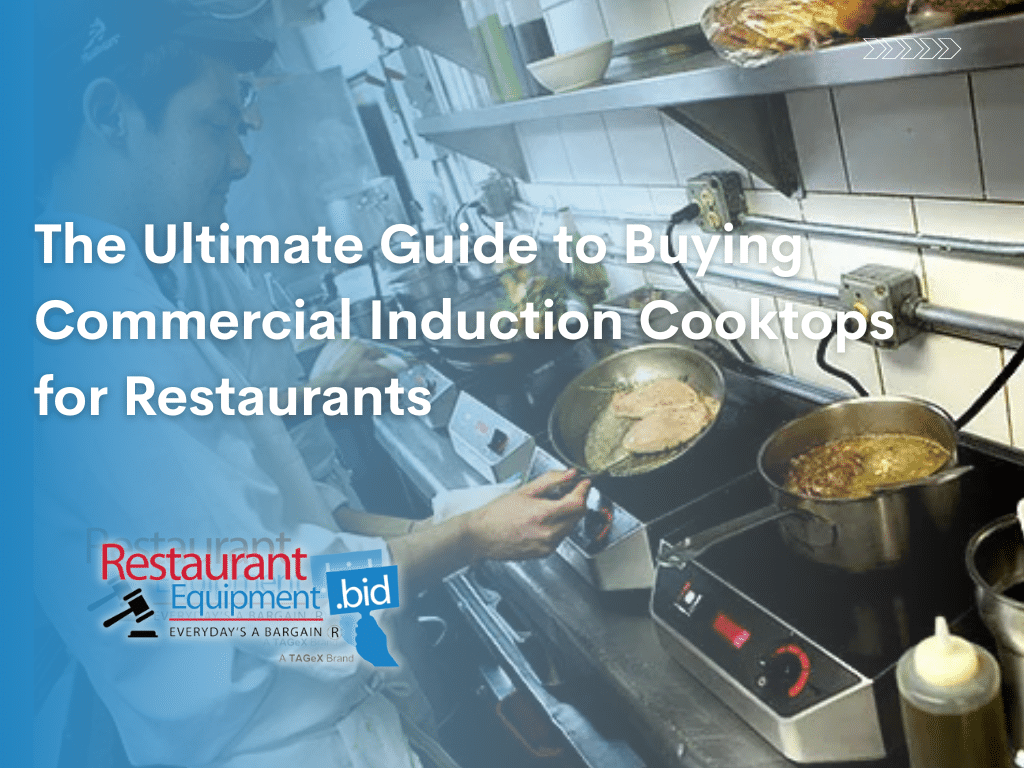
Choosing the right cooking equipment is a critical decision for any kitchen’s efficiency and output. This guide provides a comprehensive look at commercial induction cooktops for restaurants, a technology that offers unparalleled speed, energy efficiency, and safety. Many operators overspend on new equipment or mistakenly purchase residential-grade units that can’t handle the demands of a professional kitchen. We’ll cover everything from key specifications and model types to pricing and top brands, helping you make a smart investment, whether you’re buying new or used.
What to Look for in Commercial Induction Cooktops for Restaurants: Key Specs and Features
Understanding the technical specifications is the first step to selecting the right induction unit. Unlike traditional gas or electric ranges, induction uses magnetic fields to heat the pan directly, which means the specs are different. Here’s what you need to know.
- Power (Watts): This is the most critical spec, determining cooking speed. Light-duty or countertop units typically range from 1800W to 2500W. Heavy-duty units designed for continuous use in a busy line can be 3500W or higher per burner (or hob). More watts mean faster heating and recovery times.
- Voltage and Phase: A standard 1800W countertop unit can run on a 120V outlet. However, more powerful units (3000W+) will require a 208/240V connection, and some high-capacity ranges may even need a three-phase electrical supply. Always confirm your kitchen’s electrical setup before purchasing.
- Cooktop Surface: The cooking surface is almost always made of a smooth, durable ceramic-glass composite. Look for high-impact glass that can withstand dropped pots and pans. A seamless, easy-to-clean surface is essential for meeting health codes.
- Number of Burners (Hobs): Induction cooktops are available in various configurations, from single and double countertop units to four or six-hob freestanding ranges. Your choice depends entirely on your menu’s demands and kitchen workflow.
- Control Type: Controls can be manual knobs or digital touchpads. Knobs offer tactile, immediate feedback, which many chefs prefer. Digital controls provide precise temperature settings (often in degrees or power levels 1-100) and can be easier to clean.
- Certifications: For any piece of commercial cooking equipment, non-negotiable certifications are NSF (for sanitation) and UL (for electrical safety). Equipment without these markings will not pass a health inspection.
- Dimensions and Form Factor: Consider if you need a portable countertop unit for an omelet station, a drop-in unit for a custom fabricated counter, or a full freestanding range with an oven base. Measure your space carefully, including vertical clearance for ventilation.
Types of Commercial Induction Cooktops: Which One Is Right for Your Restaurant?
Commercial induction technology comes in several form factors, each suited to different applications. Choosing the right type is crucial for optimizing your kitchen’s layout and workflow.
Countertop Induction Cookers
These are the most common and versatile type. They are self-contained, portable units with one or two hobs. Their flexibility makes them perfect for catering, front-of-house cooking stations, or adding an extra burner to a crowded line during peak hours. They are plug-and-play (for 120V models) and require no installation, but they do take up valuable counter space.
Drop-In Induction Cookers
Drop-in units are designed to be mounted flush into a countertop, creating a seamless, clean look. They are ideal for custom chef counters, buffet stations, or island prep areas. While they offer a sleek and permanent solution, they require professional installation and are not portable. They are a favorite in open-kitchen concepts.
Freestanding Induction Ranges
A freestanding induction range is a direct replacement for a traditional gas or electric range. It features multiple hobs on top (typically four or six) and a convection or conventional oven base. These are powerful, heavy-duty units built for the main production line in high-volume kitchens. They represent a significant investment but offer the highest capacity and performance.
Induction Woks
These specialized units feature a concave, bowl-shaped hob designed to cradle a traditional round-bottom wok. They provide the intense, focused heat needed for stir-frying, far surpassing the performance of a flat induction top with a flat-bottomed wok. If Asian cuisine is a core part of your menu, a dedicated induction wok range is a game-changer.
New vs. Used Commercial Induction Cooktops: Making the Right Call
While new equipment comes with a warranty, the cost can be prohibitive, especially for new restaurants. Buying quality used restaurant equipment is a savvy strategy to stretch your budget without sacrificing performance. Induction cooktops, being solid-state with fewer moving parts than gas ranges, are excellent candidates for the used market.
The primary benefit is cost, with savings often ranging from 40–70% compared to new. A high-end, 3500W countertop unit that costs $1,500 new could be acquired for $400-$700 at an online auction. On platforms like RestaurantEquipment.Bid, where all bids start at $1.00 with no reserve, the potential for value is immense. When inspecting a used unit, look for:
- Glass Condition: Check for any cracks, chips, or deep scratches on the ceramic glass surface. While minor scratches are cosmetic, significant cracks compromise safety and performance.
- Functionality: If possible, power the unit on. Test all hobs at various power levels. Listen for the hum of the internal cooling fans—if they aren’t working, the unit will overheat and shut down.
- Cleanliness: A well-maintained unit is often a sign of a well-cared-for kitchen. Check for grease buildup in vents and seams.
Stick with reputable brands known for durability, like Vollrath, CookTek, or Hatco, as parts and service are more readily available. Avoid off-brand, cheap imports, as they are often impossible to repair if something goes wrong.
How Much Do Commercial Induction Cooktops Cost? Pricing Guide for 2026
Prices for commercial induction cooktops vary widely based on power, brand, and type. Here are typical price ranges you can expect in 2026.
New Equipment Prices
- Light-Duty Countertop (1800W): $300 – $800
- Heavy-Duty Countertop (3500W+): $900 – $2,500
- Double Hob Countertop: $1,200 – $4,000
- Drop-In Hob (per hob): $800 – $4,500
- 4-Hob Freestanding Range: $6,000 – $15,000
- 6-Hob Freestanding Range: $10,000 – $20,000+
Used Equipment Prices (Auction & Resale)
- Heavy-Duty Countertop: $250 – $900
- Drop-In Hob: $300 – $1,200
- 4-Hob Freestanding Range: $2,000 – $6,000
Factors like brand reputation (e.g., CookTek vs. a budget brand), power output, and features like temperature probes drive prices up. When buying at auction, remember to factor in the buyer’s premium (typically 15%) and logistics for pickup and shipping.
Best Brands for Commercial Induction Cooktops: What Professionals Rely On
Investing in a reputable brand ensures reliability, performance, and access to service. Here are some of the top names in the commercial induction space:
- Vollrath: An industry workhorse, Vollrath offers a massive range of countertop and drop-in models known for durability and consistent performance. They are a go-to for many commercial kitchens.
- CookTek: A pioneer in induction technology, CookTek is a premium brand known for high power, speed, and extreme reliability, especially in their heavy-duty models. They command a higher price but are built to last.
- Hatco: Specializing in high-end drop-in units, Hatco is often found in front-of-house applications and chef’s tables where performance and aesthetics are both critical.
- Waring Commercial: A trusted name in countertop appliances, Waring offers reliable and affordable light-to-medium-duty induction cookers perfect for smaller operations or auxiliary use.
- Garland: Known for its heavy-duty ranges, Garland offers powerful freestanding induction ranges that are direct competitors to their legendary gas models, built for the rigors of the busiest kitchens.
Where to Buy Commercial Induction Cooktops for Your Restaurant
You have several options when sourcing equipment. New equipment dealers offer the latest models and warranties but at the highest prices. Restaurant supply stores offer a mix of brands but may have limited stock. For the best value, liquidators and online auctions are unbeatable. Online marketplaces like RestaurantEquipment.Bid host auctions for equipment from restaurant closures, remodels, and liquidations across the country. This allows savvy operators who know what they need to acquire high-end, professional-grade equipment at a fraction of the cost. You can browse current auction listings to see what’s available right now.
Final Checklist Before You Buy
Before you place a bid or make a purchase, run through this final checklist to ensure you’re making the right choice:
- Confirm the unit’s voltage, phase, and amperage match your kitchen’s electrical service.
- Measure your installation space (countertop or floor) and verify the unit’s dimensions.
- Ensure you have induction-compatible cookware (must contain iron; if a magnet sticks, it works).
- Verify the unit has NSF and UL certifications.
- Choose a wattage level that meets your menu’s speed and volume requirements.
- Decide on the right form factor: countertop, drop-in, or freestanding range.
- For used units, carefully examine photos for the condition of the glass cooktop and controls.
- Understand the seller’s terms, such as “as is, where is” policies common in auctions.
- Plan for pickup and transportation, as shipping is often the buyer’s responsibility in auctions.
- Set a firm budget, accounting for any buyer’s premium or shipping costs.
Investing in commercial induction cooking can transform your kitchen’s efficiency, safety, and comfort. By doing your homework, you can find the perfect unit that fits your needs and budget. Take the next step by browsing the wide variety of commercial induction cooktops and other professional kitchen gear available in our current auctions. It’s free to register and bid, giving you access to top-tier equipment at unbeatable prices.
Related posts