The Ultimate Guide to Buying Commercial Dishwashers for Restaurants
The Ultimate Guide to Buying Commercial Dishwashers for Restaurants
Choosing the right commercial dishwasher is one of the most critical decisions for any foodservice operation. It’s the unsung hero of your back-of-house, directly impacting sanitation, labor costs, and workflow efficiency. This guide covers everything you need to know about selecting commercial dishwashers for restaurants, from understanding key specifications to comparing new vs. used options,…
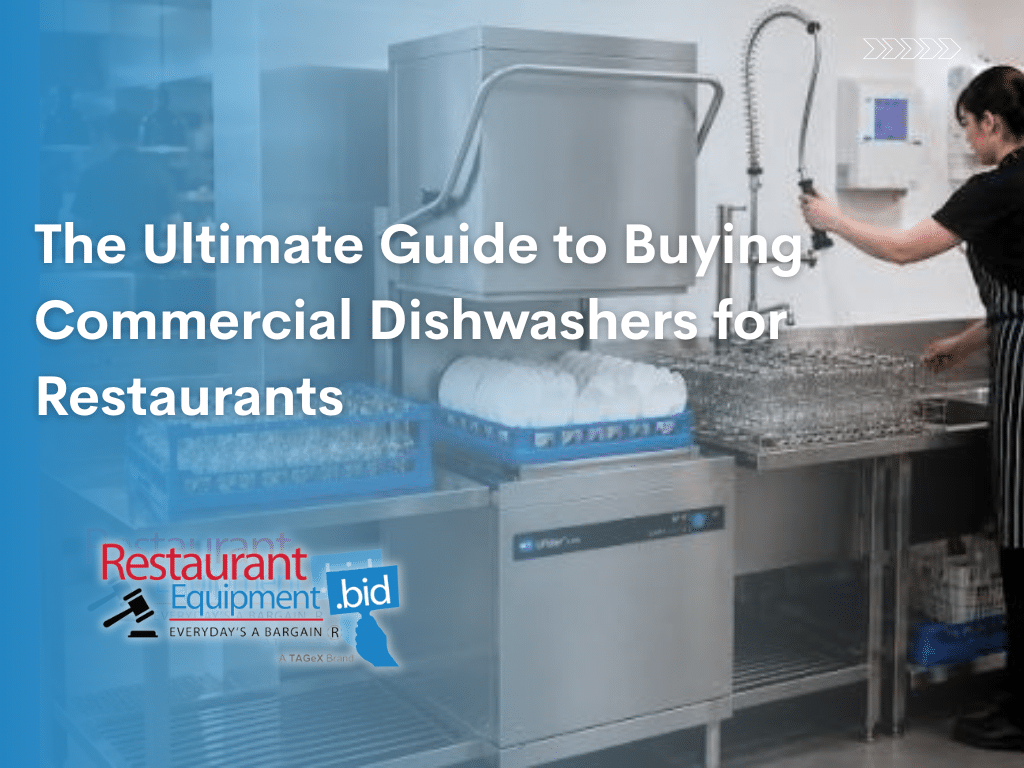
The Ultimate Guide to Buying Commercial Dishwashers for Restaurants
Choosing the right commercial dishwasher is one of the most critical decisions for any foodservice operation. It’s the unsung hero of your back-of-house, directly impacting sanitation, labor costs, and workflow efficiency. This guide covers everything you need to know about selecting commercial dishwashers for restaurants, from understanding key specifications to comparing new vs. used options, ensuring you make a smart investment that keeps your kitchen running smoothly.
What to Look for in a Commercial Dishwasher: Key Specs and Features
Before you start browsing, you need to understand the technical specifications that determine a dishwasher’s performance, cost, and suitability for your space. Getting these details right is crucial to avoid costly mistakes.
- Temperature Type: High-Temp vs. Low-Temp: High-temperature machines use a built-in booster heater to raise water to 180°F for sanitizing, leaving dishes hot, dry, and ready for service. Low-temperature machines use chemical sanitizers (like chlorine) in a 120-140°F wash. High-temp has a higher upfront cost but lower ongoing chemical costs, while low-temp is cheaper to buy but requires consistent chemical purchases.
- Capacity (Racks per Hour): This is the single most important performance metric. A small bar might only need a machine that handles 20-30 racks per hour, while a busy restaurant needs a door-type model capable of 50-80 racks per hour. High-volume cafeterias or banquet halls may require a conveyor system that cleans over 200 racks per hour.
- Cycle Time: Most door-type dishwashers have cycles ranging from 90 to 120 seconds. Faster cycles mean higher throughput during peak hours.
- Dimensions and Footprint: Measure your available space carefully. Consider not just the machine’s width and depth, but also the vertical clearance needed for a door-type machine to open fully and the space required for soiled and clean dishtables.
- Water Consumption: Modern, efficient machines use as little as 0.6 gallons of water per rack. An older machine might use 1.5 gallons or more. This difference adds up significantly on your utility bills over the life of the unit.
- Electrical Requirements: This is a non-negotiable detail. Does your facility have 1-phase or 3-phase power? Is the available voltage 120V, 208V, or 240V? A high-temp machine often requires a 208/240V connection for its booster heater. Confirm your electrical setup before you buy.
- Certifications: Always look for an NSF (National Sanitation Foundation) certification to ensure it meets public health standards. An ENERGY STAR label indicates the machine meets strict energy and water efficiency guidelines, saving you money on utilities.
Types of Commercial Dishwashers: Which One Is Right for Your Restaurant?
Commercial dishwashers come in several main configurations, each designed for a specific volume and workflow. Choosing the right type is essential for matching machine capacity to your operational needs.
Undercounter Dishwashers
Similar in size and shape to a residential dishwasher, these compact units fit neatly under a standard 34-inch countertop. They are ideal for small spaces like coffee shops, wine bars, and small delis. They typically wash 20-35 racks per hour.
Door-Type / Pass-Through Dishwashers
This is the most common type found in small to medium-sized restaurants. The operator slides a rack of dishes in, pulls a large door down to start the cycle, and then pushes the clean rack out the other side onto a clean dishtable. They offer a great balance of capacity (40-100 racks per hour) and footprint. They come in straight-through and corner configurations to fit different kitchen layouts.
Conveyor Dishwashers
These are the high-volume powerhouses for large restaurants, hospitals, universities, and hotels. Racks are placed on a conveyor belt that automatically pulls them through wash, rinse, and sanitizing chambers. These machines can process 200 to over 1,000 racks per hour but require significant space, and have high utility and ventilation demands.
Glasswashers
A specialty type of undercounter machine designed specifically for glassware. They use lower water pressure and gentler cycles to prevent chipping and etching, ensuring spotless results for your bar program.
New vs. Used Commercial Dishwashers for Restaurants: Making the Right Call
While a brand-new machine is appealing, buying quality used restaurant equipment can be a savvy financial move, especially for a durable item like a dishwasher. At auction, it’s common to save 40-70% compared to the price of a new unit. Dishwashers from top brands are built with stainless steel and heavy-duty components designed to last for years, making them excellent candidates for secondary market purchase.
When inspecting a used dishwasher, pay close attention to:
- Seals and Gaskets: Check for cracks or brittleness around the doors.
- Spray Arms: Ensure they spin freely and the nozzles are not clogged with scale.
- Heating Element & Pump: Look for signs of heavy calcification or leaks around the pump housing.
- Control Panel: Test the controls to ensure they are responsive.
- Overall Condition: Minor cosmetic scratches are fine, but avoid units with significant rust or corrosion, especially on the frame or legs.
Brands like Hobart, Jackson, and CMA are known for their longevity, and parts are generally easy to find, even for older models. Buying from a restaurant closure auction often means you’re getting a machine that was in good working order right up until the doors closed.
How Much Does a Commercial Dishwasher Cost? Pricing Guide for 2026
Prices vary widely based on type, brand, and condition. Here’s a realistic breakdown of what you can expect to pay:
New Equipment Prices:
- Undercounter: $3,500 – $8,000
- Door-Type (High-Temp): $8,000 – $16,000
- Conveyor (Single Tank): $22,000 – $45,000+
Typical Used & Auction Prices:
- Undercounter: $900 – $2,800
- Door-Type (High-Temp): $2,000 – $6,000
- Conveyor (Single Tank): $5,000 – $18,000
On an auction marketplace like RestaurantEquipment.Bid, where bids start at $1.00 with no reserve, final prices can be even lower. The price is determined by competitive bidding, offering a true market value and incredible savings potential.
Best Brands for Commercial Dishwashers: What Professionals Rely On
Investing in a reputable brand pays dividends in reliability, performance, and serviceability. Here are some of the top names in the industry:
- Hobart: Considered the gold standard. Known for bulletproof reliability, powerful performance, and a vast service network. They command a premium price, both new and used.
- Jackson: A top competitor to Hobart, offering robust and reliable machines at a slightly more competitive price point.
- CMA Dishmachines: A leader in low-temperature and energy-efficient models. They provide excellent value and are a popular choice for operators focused on utility savings.
- Champion / Moyer Diebel: This group produces a wide range of reliable dishwashers, from undercounter units to large conveyor systems, known for being solid mid-tier workhorses.
- Meiko: A German brand known for high-end engineering, exceptional efficiency, and advanced features. Their machines are typically at a higher price point.
Where to Buy Your Dishwasher
You have several options for purchasing equipment, each with its pros and cons. Equipment dealers offer new machines with warranties but at the highest prices. Restaurant supply stores may have some new and used options. For the best value, liquidators and online auctions are excellent channels for savvy operators. Platforms like RestaurantEquipment.Bid offer access to a nationwide inventory from restaurant closures and liquidations. This allows you to browse current commercial dishwasher listings from top brands and bid from anywhere, securing professional-grade equipment for a fraction of its original cost.
Final Checklist Before You Buy
Use this list to confirm you’ve covered all your bases before making a final purchase.
- Have I measured my available space, including door clearance?
- Does my facility’s electrical service (voltage and phase) match the machine’s requirements?
- Have I confirmed my water line connections and checked my water hardness (a water softener may be needed)?
- Will I use a high-temp or low-temp model? If high-temp, do I have the electrical capacity for the booster heater?
- Have I accurately estimated the number of racks I need to wash per hour during my busiest times?
- Does this machine comply with my local health department codes?
- Have I budgeted for the ongoing cost of detergents, rinse aids, and sanitizers?
- For a used machine, have I inspected the spray arms, seals, and pump for excessive wear or scale?
- Have I planned for the logistics of pickup, transportation, and installation?
Investing in the right commercial dishwasher is a long-term decision. By doing your homework on specs, types, and brands, you can find a machine that delivers the performance and reliability your restaurant deserves. To find incredible value on top-brand equipment, browse the current auctions and get ready to place your winning bid. Register for a free account on RestaurantEquipment.Bid to start saving today!
Related posts