The Ultimate Guide to Commercial Walk-in Coolers for Restaurants
The Ultimate Guide to Commercial Walk-in Coolers for Restaurants
Choosing the right walk-in cooler is one of the most critical infrastructure decisions a restaurant owner can make. It’s the heart of your inventory management, directly impacting food cost, safety, and kitchen workflow. This guide breaks down everything you need to know about selecting, pricing, and buying commercial walk-in coolers for restaurants, whether you’re outfitting…
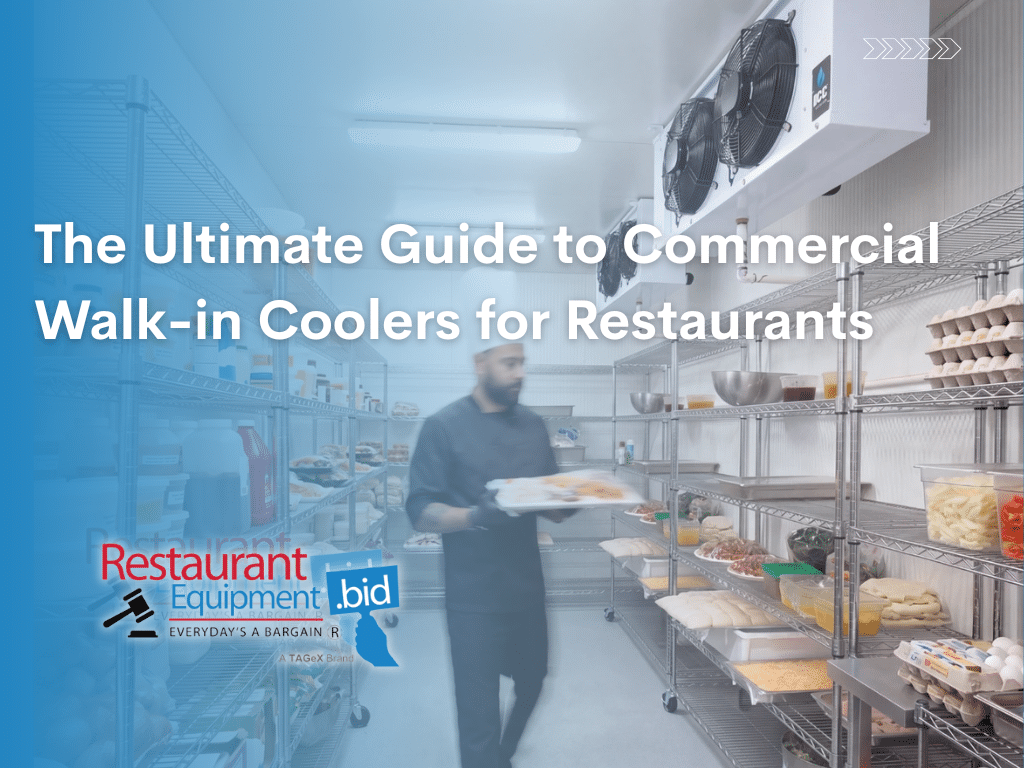
The Ultimate Guide to Commercial Walk-in Coolers for Restaurants
Choosing the right walk-in cooler is one of the most critical infrastructure decisions a restaurant owner can make. It’s the heart of your inventory management, directly impacting food cost, safety, and kitchen workflow. This guide breaks down everything you need to know about selecting, pricing, and buying commercial walk-in coolers for restaurants, whether you’re outfitting a new kitchen or replacing an old unit. A common mistake is focusing only on size, while overlooking insulation quality and refrigeration type, which can cost thousands in energy bills over the unit’s lifespan.
What to Look for in a Walk-in Cooler: Key Specs and Features
Before you start browsing, get familiar with the technical specifications. Matching the specs to your operational needs ensures you get a reliable and efficient unit that supports your business for years.
- Dimensions: Walk-ins are typically specified by Width x Depth x Height (e.g., 8′ x 10′ x 7’6″). Always measure your available space carefully, accounting for door swing and clearance around the condenser unit for proper airflow (at least 6-12 inches).
- Panel Insulation (R-value): The R-value measures thermal resistance. Higher is better. Look for panels with at least R-25 for coolers and R-32 for freezers. Most modern panels use foamed-in-place polyurethane insulation, which is highly efficient. Panel thickness is usually 4 inches.
- Refrigeration System: This is a crucial choice. A self-contained system has the condenser and evaporator in one unit, mounted on the walk-in itself. A remote system places the noisy, heat-producing condenser outside or on the roof, connected by refrigerant lines. We’ll cover this more in the next section.
- Compressor Size: Measured in horsepower (HP), the compressor must be sized to the cubic footage of the box and the expected usage (door openings, amount of warm product added). A 1/2 HP unit might suffice for a small 6’x6′ box, while an 8’x12′ might need 1.5 HP or more.
- Flooring: Many walk-ins are floorless, designed to sit on an existing level concrete slab. If you need an integrated floor, options include smooth aluminum or heavy-duty reinforced floors that can support rolling carts and heavy loads. An insulated floor is essential for walk-ins installed on wood-frame floors or above unheated spaces.
- Door Features: Standard doors are around 34″ to 36″ wide. Ensure it’s wide enough for your delivery carts. Look for self-closing hinges to prevent energy loss and a safety release handle inside.
- Certifications: Look for an NSF (National Sanitation Foundation) mark for food safety compliance and a UL (Underwriters Laboratories) listing for electrical safety.
Types of Walk-in Coolers: Which One Is Right for Your Restaurant?
Walk-in coolers are not one-size-fits-all. The right configuration depends on your kitchen layout, volume, and budget.
Self-Contained Walk-in Coolers
Also known as packaged systems, these units have the entire refrigeration system housed in a single package, often mounted on the ceiling or a wall panel.
Pros: Easier and cheaper to install since all components are pre-packaged. Ideal for smaller spaces, basements, or locations where running refrigerant lines for a remote system isn’t feasible.
Cons: The condenser releases heat and noise directly into your kitchen, which can increase HVAC load and create a less comfortable working environment. They are typically available for smaller-sized walk-ins.
Remote System Walk-in Coolers
These systems split the refrigeration components. The evaporator coil is inside the walk-in, while the condenser and compressor are located elsewhere—typically on the roof or outside the building.
Pros: A much quieter and cooler kitchen environment. Allows for larger, more powerful refrigeration systems to cool bigger boxes efficiently.
Cons: Installation is significantly more complex and expensive, requiring a licensed refrigeration technician to run and charge the lines. Maintenance can also be more involved.
Walk-in Cooler/Freezer Combos
These units combine a cooler and freezer section within a single structure, separated by an insulated interior wall. They can run on one or two dedicated refrigeration systems.
Pros: Excellent space-saving solution for kitchens with limited square footage. More energy-efficient than running two separate stand-alone units.
Cons: A single point of failure if one refrigeration system serves both zones. Less flexibility in relocating compared to separate boxes.
New vs. Used Walk-in Coolers: Making the Right Call
While a brand-new walk-in is appealing, buying used can be a savvy financial move, saving you 40-70% off the new price. This is especially true when sourcing from liquidations of chain restaurants that used high-quality, well-maintained equipment. When evaluating used restaurant equipment, focus on condition and quality.
- What to Inspect: Check the panel seams for a tight fit and look for any signs of delamination or water damage. Inspect door gaskets for cracks or tears, as these are critical for an efficient seal. Look at the condenser and evaporator coils—they should be clean and free of corrosion.
- Brands Known for Longevity: Brands like Nor-Lake, Kolpak, and Bally are built like tanks and their panels can last for decades if cared for. Their parts are also generally easy to source.
- What to Avoid: Steer clear of units using outdated refrigerants like R-22, which is phased out and expensive to service. Avoid walk-ins with significant rust on the panels or frame, as this indicates moisture intrusion and insulation failure. Discontinued, off-brand models can be a nightmare for finding replacement parts.
How Much Do Walk-in Coolers Cost? Pricing Guide for 2026
Prices vary widely based on size, brand, and features. Here are some general price ranges to help you budget.
- New Walk-in Coolers: A new 6’x8′ self-contained walk-in from a reputable brand can cost between $6,000 and $9,000, not including installation. A larger 8’x12′ remote system could run $12,000 to $18,000 plus another $3,000-$6,000 for professional installation.
- Used Walk-in Coolers: On the secondary market, that same 6’x8′ unit might cost $2,500 to $4,500. An 8’x12′ remote system could be found for $4,000 to $8,000. Prices depend heavily on age, condition, and brand.
- Auction Pricing: At auction, prices can be even more advantageous. Because bids on platforms like RestaurantEquipment.Bid start at $1 with no reserve, a high-quality used walk-in from a closing restaurant could sell for significantly less than typical used dealer prices. Remember to factor in the buyer’s premium and the cost of disassembly and transport.
Best Brands for Walk-in Coolers: What Professionals Rely On
Sticking with established brands means better build quality, reliability, and easier access to parts and service down the road.
- Nor-Lake: A top-tier brand known for robust construction and a wide array of custom options. They are a long-term investment in reliability.
- Kolpak: Considered an industry standard, Kolpak walk-ins are found in thousands of restaurants. They are known for durable panels and reliable refrigeration systems.
- Bally: One of the original innovators in prefabricated walk-ins, Bally is known for its precise panel-locking mechanisms that create a very tight seal.
- Master-Bilt: A part of the Standex Food Service group, Master-Bilt offers a solid range of quality walk-ins and refrigeration systems, often seen as a great value proposition.
- AmeriKooler: Known for offering quality products at a competitive price point, making them a popular choice for independent restaurants and smaller chains.
Where to Buy Walk-in Coolers for Your Restaurant
You have several channels for purchasing, each with pros and cons.
- New Equipment Dealers: Offer the latest models, warranties, and often installation services. This is the most expensive route.
- Restaurant Supply Stores: May carry some new stock models and can order others. Pricing is similar to dealers.
- Used Equipment Liquidators: Can offer good deals but inventory is inconsistent. Equipment is almost always sold “as-is.”
- Online Auctions: Platforms like RestaurantEquipment.Bid offer a unique advantage. You get access to a nationwide inventory of equipment from restaurant closures and liquidations. This is where you can find high-end commercial walk-in coolers for restaurants at a fraction of their original cost. Because all items are sold “as is, where is,” it’s a great option for savvy operators who know how to assess equipment and handle logistics. You can browse current auction listings to see what’s available now.
Final Checklist Before You Buy
Use this list to ensure you’ve covered all your bases before committing to a purchase.
- Have you measured your physical space, including ceiling height and door access?
- Is your floor level and capable of supporting the walk-in’s weight?
- Does your building’s electrical service (voltage, phase, amperage) match the unit’s requirements?
- Have you planned for delivery, disassembly (if used), and installation?
- For remote systems, have you identified a suitable location for the condenser?
- If buying used, have you closely inspected photos of the panels, door, and refrigeration unit?
- Does the unit use a modern, readily available refrigerant (e.g., R404a, R448A)?
- Have you confirmed whether the unit includes a floor or is floorless?
- Have you researched technicians in your area who can service the brand you’re considering?
- Have you factored in all costs: the unit price, buyer’s premium (if any), freight, and installation?
A walk-in cooler is a major investment, but it doesn’t have to break the bank. By doing your homework and exploring the used market, you can acquire the reliable cold storage your restaurant needs for a much lower cost. Explore our current selection of restaurant equipment to find the perfect unit for your kitchen. Ready to get started? It’s free to register to bid and find your next great deal.
Related posts